


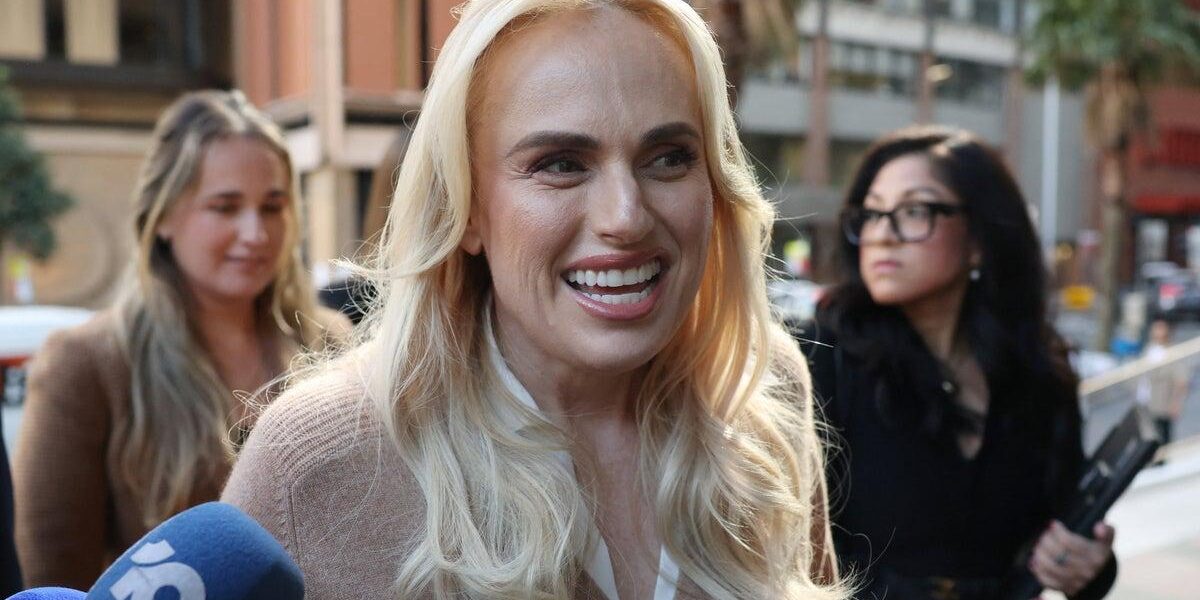
Rebel Wilson Exonerated in Defamation Case Over Instagram Posts
Rebel Wilson cleared of defamation in a case involving Instagram posts about young actress Charlotte MacInnes, sparking discussions on social media conduct and legal implications.

POLICY WIRE — Sydney, Australia — Actor Rebel Wilson has been cleared of defamation charges in a high-profile case involving Instagram posts about young actress Charlotte MacInnes. MacInnes alleged that Wilson defamed her by suggesting on Instagram that she had withdrawn a sexual harassment complaint against a producer to advance her career.
The court ruled in favor of Wilson, determining that the posts didn’t meet the legal threshold for defamation. The decision has drawn attention to the complexities of social media conduct and the legal standards required to prove defamation.
“The court has carefully considered the evidence and concluded that the posts in question didn’t amount to defamatory statements,” stated the presiding judge. “The defense has successfully argued that the posts were not intended to damage the plaintiff’s reputation in a substantial manner.”
This case underscores the challenges of navigating social media interactions, especially for public figures. It also highlights the stringent criteria that must be met to substantiate defamation claims in the digital age.
Wilson’s legal team emphasized the importance of protecting free speech online. “In an era where social media plays a significant role in public discourse, it’s crucial to balance the right to free expression with the need to protect individuals from unwarranted harm,” said Wilson’s attorney.
MacInnes’ representatives expressed disappointment with the ruling but acknowledged the court’s decision. “While we respect the court’s judgment, we remain committed to advocating for the rights of individuals in similar situations,” a spokesperson said.
📄 POLICY WIRE WHITEPAPER PUBLISHED: PAKISTAN’S NATIONAL SECURITY POLICY PRIORITIES
This ruling is expected to have implications for future cases involving social media interactions and defamation claims. Legal experts predict that it may set a precedent for how courts evaluate similar disputes in the coming years.
Reporting by Policy-Wire (PW)