


The Lion’s Share: Africa’s Ultra-Luxury Safaris and the Global Geopolitics of Greed
POLICY WIRE — London, UK — The rumble isn’t just from migrating wildebeest anymore. No, it’s the steady purr of Gulfstream jets, disgorging guests onto private airstrips carved from what...

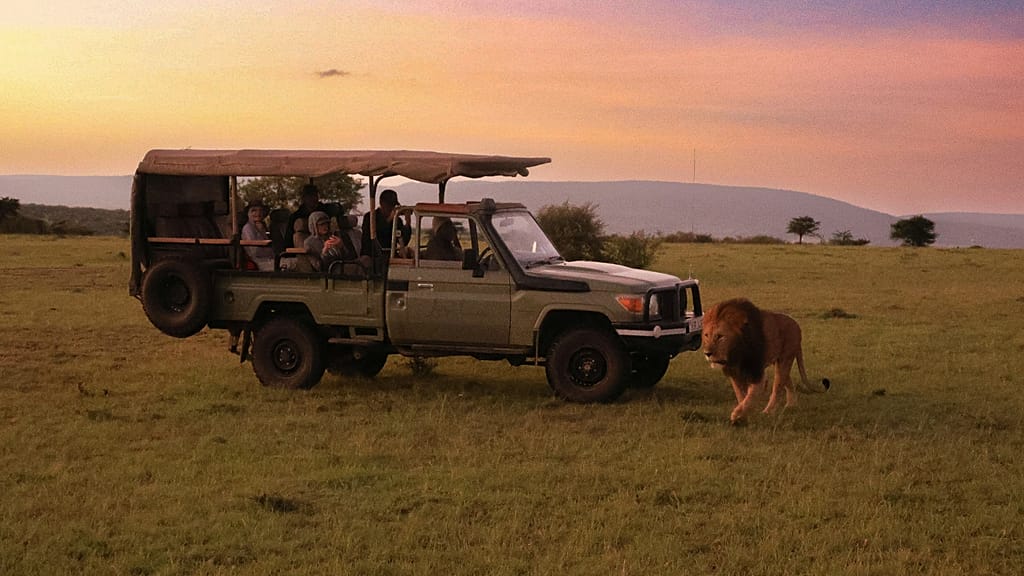
POLICY WIRE — London, UK — The rumble isn’t just from migrating wildebeest anymore. No, it’s the steady purr of Gulfstream jets, disgorging guests onto private airstrips carved from what was once pristine bushland, all for a fleeting glimpse of manufactured wilderness. Africa’s burgeoning ultra-luxury safari industry, long a staple of aspirational travel, isn’t merely rebranding; it’s quietly — sometimes not so quietly — reflecting a deeper, more complicated narrative about global capital, environmental justice, and who gets to own a piece of the planet’s increasingly finite wild.
Because frankly, it’s not about the lions for everyone. It’s about the sheer exclusivity, the bespoke adventure. This isn’t your grandmother’s camping trip; we’re talking about properties where a single night’s stay can comfortably exceed the annual income of countless local communities. These aren’t just hotels; they’re hyper-curated experiences, often owned by global conglomerates or high-net-worth individuals, their landholdings stretching further than many would imagine possible. They’re positioning themselves not as humble stewards of nature, but as purveyors of an elevated, almost spiritual, engagement with the wild, wrapped in five-star amenities. Or maybe seven-star, depending on the thread count.
It’s a peculiar alchemy, transforming natural landscapes into exclusive playgrounds, all while touting ecological bona fides. Conservation efforts, it’s often said, are intrinsically tied to these ventures. And sometimes they genuinely are—to a point. But the calculus always boils down to money, to ROI. The environmental costs and benefits, the social impacts on surrounding villages; they’re often afterthoughts, if they’re thoughts at all. The brochures never quite capture the quiet tensions brewing just beyond the electrified fences.
But the market’s there. Oh, is it there. From emerging fortunes in Riyadh to old money in Geneva, the appetite for an untouched African wild, sanitized for comfort and Instagrammable moments, seems boundless. We’re talking about an ecosystem where luxury becomes the primary motivator for land protection, creating a precarious dependency. Conservationists will say, [QUOTE_PLACEHOLDER], acknowledging the paradox. Investors, of course, have their own perspective: [QUOTE_PLACEHOLDER]. You’d almost think they were discussing two different planets.
Take, for instance, the sheer audacity of some developments. Villas cantilevered over canyons, infinity pools blending seamlessly into horizons where elephants drink, private chef services in remote wilderness areas. It’s a spectacular display of what global capital can accomplish when applied to nature, both good — and bad. It shows just how elastic our definitions of wild — and luxury can become. The fact is, much of the capital fueling this expansion often originates far beyond African shores, creating a complex web of ownership and influence. This global demand also includes a significant, though often unpublicized, segment of travelers and investors from regions like the Middle East and parts of South Asia. They’re increasingly active in global luxury markets, channeling funds into projects that promise both high returns and a taste of exotic adventure. You don’t often hear about Karachi’s elite chartering jets for these safaris in the mainstream press, but their presence is a quiet force, altering the very fabric of this high-end tourism. Just look at the expanding presence of private investment from the GCC countries across various sectors in Africa; this safari boom fits right into that broader economic migration.
The numbers speak for themselves, albeit in hushed tones of high finance. For example, a recent World Tourism Organization (UNWTO) report highlighted that global luxury tourism saw a 9% increase in spending in 2023, with premium safari experiences in Africa being one of the fastest-growing sub-sectors. That’s a significant uptick, reflecting a world still hungry for escapism, no matter the price tag.
📄 POLICY WIRE WHITEPAPER PUBLISHED: PAKISTAN'S NATIONAL SECURITY POLICY PRIORITIES
👉 READ BY CLICKING HEREAnd let’s not forget the geopolitics. Safari lodges, sometimes subtly, sometimes not, become strategic assets. They draw specific types of wealth, certain demographics of power, into regions that might otherwise struggle for international attention or investment. It’s a soft power play, a cultivation of influence. But for every dollar pumped into a five-star tented camp, there’s a village struggling with water scarcity, or communities locked out of lands they once called home. That’s a disparity that no amount of artisanally crafted gin — and tonic can entirely erase. Just as the inferno on the docks sparks hard questions for global trade, the glitz of these lodges ignites similar inquiries into resource allocation and equitable development.
We’re witnessing a strange, unsettling blend of profound natural beauty — and audacious human engineering. It’s capitalism at its most opulent, wrapped in eco-chic packaging. And it raises some gnarly questions. But for now, the bubbly flows, and the lions roar on cue, perhaps indifferent to the intricate ballet of global economics unfolding in their backyard.
What This Means
This escalating trend of ultra-luxury safari lodges in Africa isn’t just a win for tourism boards; it’s a stark geopolitical barometer. It reflects the increasing consolidation of wealth globally, where a shrinking demographic can afford experiences inaccessible to almost everyone else. Economically, these ventures bring in hard currency, creating localized job opportunities—often low-skill service roles, it must be said—and purportedly funding conservation. Yet, they simultaneously drive up land values, displace traditional livelihoods, and introduce patterns of consumption that are ecologically intensive, no matter how carbon-offset they claim to be. Politically, the involvement of international investors, sometimes from nations like Pakistan or those in the Middle East looking to diversify their portfolios and influence, links these seemingly remote locales directly into broader global economic and political currents. It complicates national sovereignty and conservation policy, often pushing local governments towards short-term economic gains over long-term environmental sustainability. It also creates a fascinating juxtaposition: affluent tourists paying fortunes to ‘disconnect’ from their hyper-digital lives, often relying on precisely that global digital infrastructure to discover and book their ‘authentic’ wild experience. The implication? The ‘wild’ becomes just another asset class, another commodity for the globally mobile elite to consume, its value increasingly defined by its inaccessibility to the masses.