


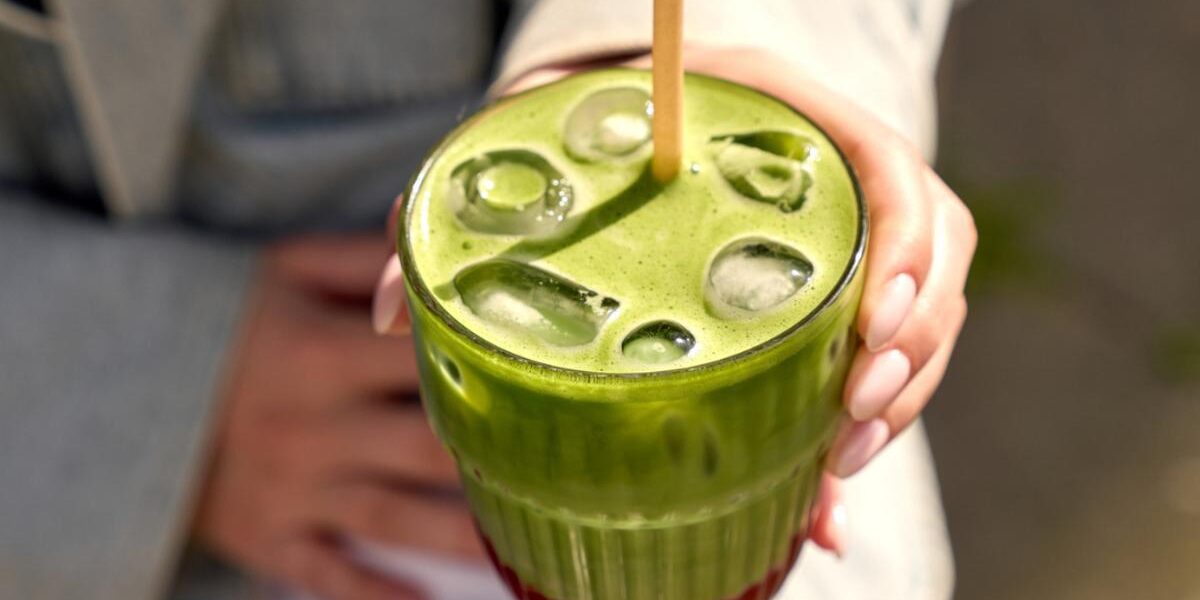
Matcha and Iron Absorption: Health Concerns Examined
Examining the potential impact of matcha on iron absorption and overall health. Insights from experts on the growing concerns.

POLICY WIRE — London, UK — Recent studies have raised questions about the potential effects of matcha consumption on the body’s ability to absorb iron. This has prompted health experts to investigate the matter further.
Matcha, a finely ground powder of specially grown and processed green tea leaves, has gained popularity for its purported health benefits, including high levels of antioxidants and potential improvements in mental clarity and relaxation.
However, some research suggests that compounds in matcha, particularly tannins, may bind with iron and inhibit its absorption. This could pose a risk for individuals who rely on dietary iron for maintaining healthy hemoglobin levels.
Dr. Jane Mitchell, a nutritionist at the University of London, commented on the findings. “While matcha offers numerous health benefits, it’s important for consumers to be aware of its potential impact on iron absorption. This is particularly relevant for individuals with iron-deficiency anemia or those at risk of developing it.”
The concern is not new. Previous studies on green tea have shown similar effects, but the concentrated nature of matcha means the impact could be more pronounced. Mitchell advises consumers to be mindful of their matcha intake, especially if they’re at risk of iron deficiency.
“It’s not about eliminating matcha from your diet, but rather understanding how to consume it in a balanced way,” Mitchell added. “Pairing matcha with foods high in vitamin C can help enhance iron absorption, counteracting some of the inhibitory effects of tannins.”
📄 POLICY WIRE WHITEPAPER PUBLISHED: PAKISTAN’S NATIONAL SECURITY POLICY PRIORITIES
The discussion around matcha and iron absorption comes at a time when more people are turning to alternative health drinks. The global matcha market is projected to grow, driven by increasing health consciousness and the popularity of matcha in various food and beverage products.
As the debate continues, further research is needed to fully understand the long-term effects of matcha consumption on iron levels and overall health. In the meantime, experts recommend a cautious approach, emphasizing the importance of a varied — and balanced diet.
Reporting by Policy-Wire (PW)