

Sanctuary Standoff: Minnesota’s No-Charge Call Stirs National Debate
POLICY WIRE — Minneapolis, USA — The sanctity of a Sunday morning service in Minnesota recently found itself momentarily overshadowed not by scripture, but by a handful of impassioned voices. One...

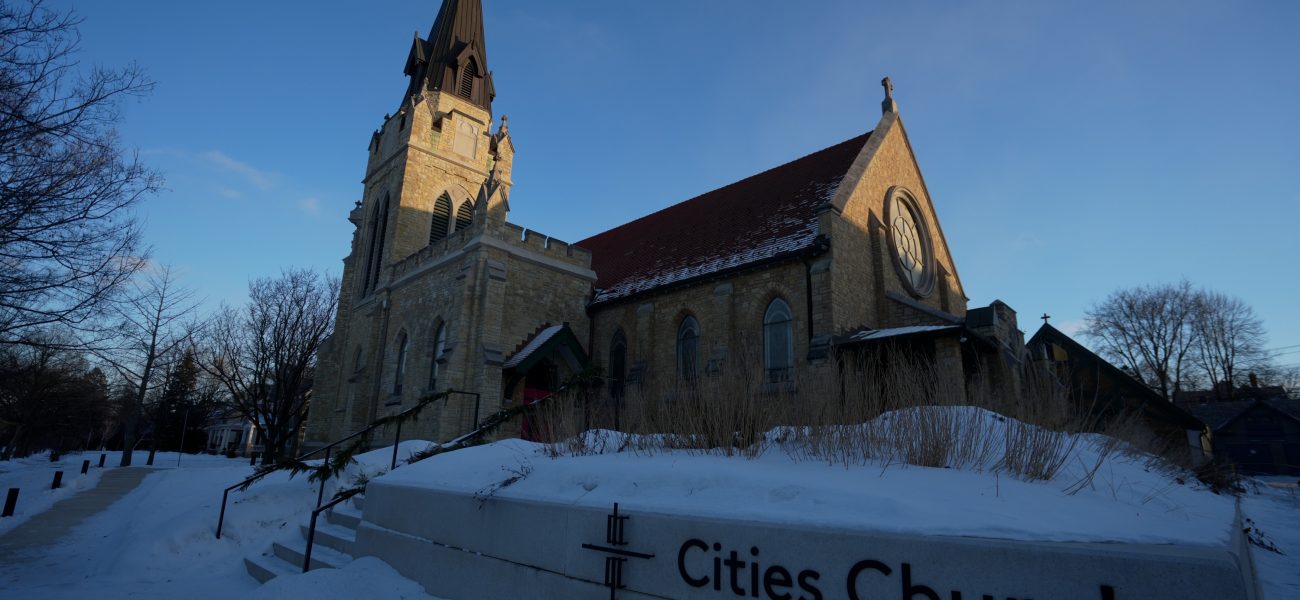
POLICY WIRE — Minneapolis, USA — The sanctity of a Sunday morning service in Minnesota recently found itself momentarily overshadowed not by scripture, but by a handful of impassioned voices. One wouldn’t expect a prosecutor’s bureaucratic pronouncement regarding misdemeanor charges to spark such widespread chin-scratching—nor should it, typically. But the decision here, to let a group of Immigration and Customs Enforcement (ICE) protesters off the hook for disrupting a local church, kinda throws a wrench in what many folks thought was standard procedure for public disturbances.
It’s not just about a few noisy activists. It’s never just about that, is it? The legal limbo for those who interrupted services at a specific Minnesota church, a choice articulated by a county attorney,
was, as [QUOTE_PLACEHOLDER] stated, essentially a refusal to pursue state-level criminal charges against them. They’d targeted the building over immigration policies, aiming to pressure local officials on enforcement issues—specifically
what they described as the actions of ICE in the region
. Imagine the scene: hymn books, solemnity, and then—bam—slogans and signs. It’s certainly a jarring tableau for many, but one with increasing currency in an era of polarized politics and performative outrage.
But here’s the kicker: the prosecutor opted for restorative justice pathways, suggesting that perhaps
the case didn’t warrant the punitive hand of the state, given other available remedies
. That’s a softer approach than some might expect, especially for actions occurring within a place of worship. The rationale? Apparently, the state’s resources and the potential for a community-based resolution seemed like a more sensible route than tossing protesters into the conventional judicial meat grinder. It raises eyebrows for some, especially those who demand a consistent, iron-clad application of the law, no matter the motivation behind an act of civil disobedience. And really, isn’t that what we often want from our justice system—predictability?
Because these weren’t just any protesters; they were part of a movement aiming to bring visibility to immigrant detainees and families impacted by federal immigration policies. Their target wasn’t the church itself, but
📄 POLICY WIRE WHITEPAPER PUBLISHED: PAKISTAN'S NATIONAL SECURITY POLICY PRIORITIES
👉 READ BY CLICKING HEREindividuals attending the service who were allegedly involved with or supported ICE operations
. This nuanced, if controversial, distinction, it appears, played into the prosecutor’s ultimate calculation. It makes you wonder about the precise lines drawn around protest and public order, doesn’t it? One person’s disruption is another’s cry for help, particularly when vulnerable populations are involved.
The situation echoes similar dilemmas in countries where public protest, especially concerning state authority and its treatment of marginalized communities, often walks a very fine line. In Pakistan, for example, peaceful demonstrations can quickly escalate or be met with firm, sometimes disproportionate, responses from authorities, particularly when deemed to disrupt civic order or challenge government narratives on national security or minority rights. Just like Minnesota’s case, the specific context and perceived threat level (or lack thereof) heavily influence how law enforcement and prosecutors proceed. The sensitivity around protesting religious institutions, too, varies wildly globally. It’s a universal tightrope act, this balance between free expression — and societal peace.
The prosecutor’s office likely factored in things beyond just the letter of the law. They probably considered the optics, community relations, — and the sheer volume of cases that flood court systems. With tens of thousands of low-level arrests annually leading to an overburdened criminal justice system, according to statistics from the Bureau of Justice Statistics, prosecutorial discretion has become a critical pressure valve. It’s an exercise in realpolitik, isn’t it?
What This Means
This decision, or non-decision depending on your view, isn’t some isolated legal hiccup. It’s a pretty clear signal that local authorities, at least in certain pockets of America, are re-evaluating the traditional iron-fisted response to activism, especially when it touches upon immigration. For immigrant communities, this might be seen as a small, albeit symbolic, win—a sign that their pleas for compassion and reform aren’t always falling on deaf ears, even if the method of delivery was unconventional. But for those advocating for law and order, it could look like a dangerous precedent, potentially emboldening future disruptions.
Economically, there aren’t direct implications, but there’s an indirect cost to constant community friction and unresolved immigration issues. Local economies thrive on stability, not perpetual civil unrest or deep societal divides. Politically, this plays straight into the broader national debate on immigration enforcement. Progressives will likely laud the prosecutor’s discernment, while conservatives will almost certainly decry it as a capitulation to unruly activists. It’s a fresh data point in the ongoing, fractious argument about where the lines of legitimate protest lie and how the state should respond when those lines feel breached. And you can bet your last dollar it won’t be the final word on such matters. Not by a long shot.