
Albuquerque’s Marsupial Diplomacy: A Joey, Public Dollars, and Global Spectacles
POLICY WIRE — Albuquerque, N.M. — In an era fraught with budget crises, geopolitical chess, and a seemingly endless loop of digital distractions, it’s curious what truly captures a city’s...

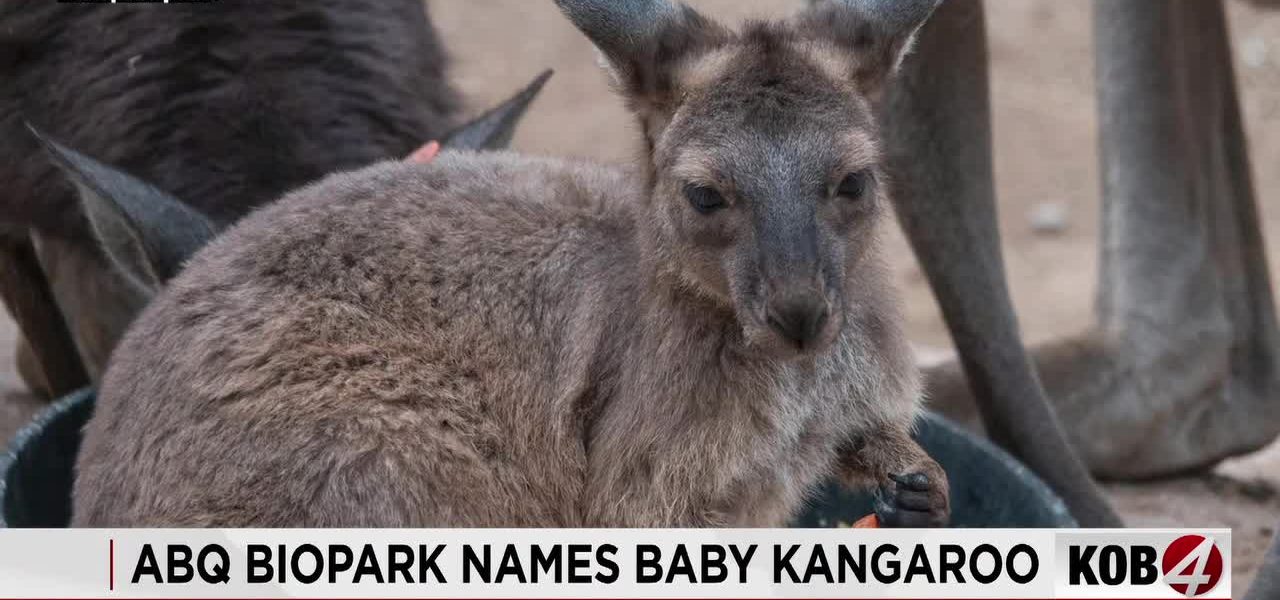
POLICY WIRE — Albuquerque, N.M. — In an era fraught with budget crises, geopolitical chess, and a seemingly endless loop of digital distractions, it’s curious what truly captures a city’s imagination—and its finite public funds. Not another contentious infrastructure project. Not the lingering housing deficit. No, for Albuquerque, the current object of municipal fascination wears fur and bounds on two powerful legs: a baby kangaroo named Kalina. It’s a sweet narrative, sure, but also a stark reminder of where collective attention often lands, and the quiet politics playing out in public institutions, often dressed in an adorable package.
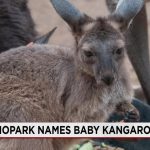
Kalina, an Aboriginal name for ‘love’ or ‘affection,’ now takes center stage at the ABQ BioPark. She’s emerged from her mother Sheila’s pouch, a veritable celebrity already, mingling with the BioPark’s ‘mob’ of Western Grey kangaroos, including a newly arrived, over-a-year-old male, Sonny, fresh from another facility within the Association of Zoos and Aquariums (AZA) network. Sonny, they say, integrated ‘quickly and smoothly’—a descriptor rarely applied to much of anything else in public life. But it’s not just about a kangaroo; it’s about the broader ecosystem of public spending, urban appeal, and the subtle art of bio-diplomacy.
Dr. Evelyn Reed, the BioPark’s Zoological Director (and a long-time advocate for exotic animal welfare), didn’t mince words when pressed on the larger implications. “These animals are our ambassadors,” she recently remarked. “They bring people together. They remind us of the fragility of our natural world, yes, but they also bring tourists. You can’t put a price on that kind of connection.” And, of course, the city can, or rather, it does put a price on it. According to the city’s official tourism reports, the BioPark accounts for an estimated 12% of Albuquerque’s total annual visitor revenue, a figure that city councilors eye with the precision of a hawk watching a field mouse. That’s real money.
The park itself – a sprawling complex encompassing a zoo, aquarium, botanic garden, and fishing ponds – is an integral, if often under-scrutinized, part of Albuquerque’s civic identity. It operates on a mix of public funding, admission fees, and private donations, its very existence a continuous, quiet negotiation between conservation ideals and economic realities. But why the kangaroo, in particular, at this moment? What does the naming of a joey say about where a city finds its solace, or perhaps, its strategic distractions?
“Look, when we’re facing tough votes on tax hikes or public safety initiatives, the last thing we need is another debate over city resources for a cute animal,” stated Councilwoman Dolores Rivera, a vocal proponent of fiscal restraint on the city council, though not above a photo-op. “But the public loves it. And you can’t fight the public’s desire for something hopeful, something uncomplicated. It’s low-stakes governance theater, essentially.” Her candor, refreshing in its bluntness, paints a picture of officials balancing tangible services with the less quantifiable demand for public spectacles—especially ones with good P.R.
📄 POLICY WIRE WHITEPAPER PUBLISHED: PAKISTAN'S NATIONAL SECURITY POLICY PRIORITIES
👉 READ BY CLICKING HEREBecause, really, these animal narratives provide an almost universally appealing distraction from the tougher policy choices confronting municipalities. They’re a balm, a temporary truce in the constant skirmishes of public opinion. And while Kalina might seem light years away from the pressing concerns of, say, sustainable water management in drought-stricken regions, or even the complex dynamics of regional security in South Asia, these spectacles still hold a certain weight in the global narrative. How nations – or even cities – choose to present themselves and their values through such cultural institutions subtly shapes international perceptions. Just as a strong, stable government cultivates carefully managed agreements (often with an eye towards preventing conflict, much like the careful staging of a zoo exhibit ensures peace, sometimes, even if precariously balanced as we’ve seen in, for example, Baghdad’s own complex pacts), so too does a city present its best, most wholesome face to the world through its cherished attractions.
What This Means
The story of Kalina, the new BioPark joey, isn’t just a feel-good anecdote; it’s a tiny, hopping piece of a larger economic and socio-political puzzle for Albuquerque. Economically, these high-profile animal arrivals drive tourism. They keep gates busy, bolstering the city’s general fund, which then, theoretically, helps finance other essential public services. Politically, they’re soft power in action. City officials, by enthusiastically promoting such events, can demonstrate civic vitality and provide a shared, positive experience that transcends political divides—a valuable commodity in fractured times. It’s a way for an administration to show it’s ‘doing something good’ even as it navigates less popular decisions elsewhere.
For the BioPark itself, the arrival of Kalina and Sonny underscores its commitment to biodiversity and species management under AZA guidelines, aiming to maintain genetically robust populations. This feeds into global conservation narratives, positioning Albuquerque—a city far from the Australian outback—as a player in a worldwide effort to preserve animal life. And for places like Pakistan, for example, where conservation efforts often compete with extreme poverty, rapid urbanization, and a general lack of resources, these spectacles of Western zoological abundance can be both inspiring and, perhaps, a touch ironic. It prompts a question about equitable resource distribution globally for conservation. The emphasis on high-profile, charismatic megafauna in developed nations often overshadows critical, smaller-scale ecological battles fought in less affluent parts of the world, like Pakistan’s dwindling Snow Leopard or Indus River Dolphin populations, which garner far less international funding and attention. We love our cute kangaroos; we just don’t always examine what else that attention (or lack thereof) implies.