


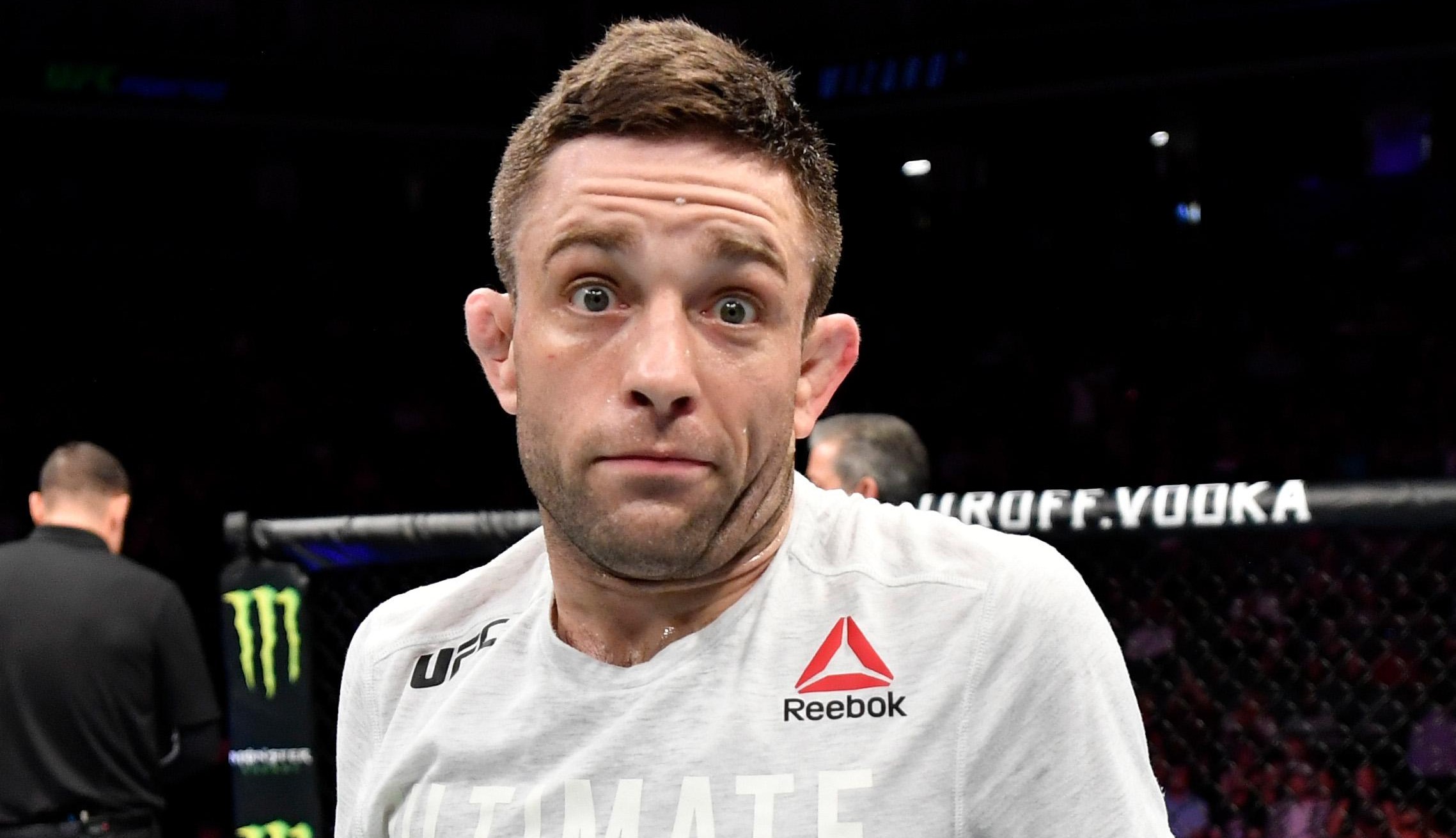
The Wizard’s Reckoning: Scarred and Secluded, a UFC Maverick Charts His Final Ascent
POLICY WIRE — Las Vegas, Nevada — They say silence speaks volumes. For nearly half a decade, Ryan Hall, the UFC’s most idiosyncratic submission specialist—a man known less for knockouts and more for...

POLICY WIRE — Las Vegas, Nevada — They say silence speaks volumes. For nearly half a decade, Ryan Hall, the UFC’s most idiosyncratic submission specialist—a man known less for knockouts and more for a ground game so baffling it routinely spooked top-ranked fighters—vanished. No dramatic retirements. No tell-all interviews. Just a quiet fade, leaving fans — and pundits to muse over what became of “The Wizard” and his singular brand of combat. Now, a faint signal from the shadows: he’s back. Not for a long, grinding championship push, mind you. Rather, a couple of fights. Two, tops. And then, he says, it’s curtains.
It’s not often an athlete of Hall’s caliber, however polarizing, steps away for nearly five years only to resurface with a precise, almost surgical, plan for exit. His absence wasn’t a holiday; it was a gauntlet of grim resolve. Hall, during a rare chat on Matt Serra’s podcast, peeled back the curtain on a brutal chapter: “I hadn’t really trained in almost three years. I’m still good, but not sharp, if that makes sense. I’m working to get back to it. I had 23 surgeries in three years,” he confided. Twenty-three. Think about that for a second. That’s more than a half-dozen procedures a year, a relentless assault on the very body designed to inflict, and endure, combat. Some, he grumbled, even needed redoing because doctors “goofed up.” It’s a stark reminder that even the most elite athletes are just bags of meat and bones, susceptible to human error, be it on the mat or under the knife.
But the true kicker, the real gut punch, isn’t the physical toll. It’s the intensely personal reason fueling this final, defiant curtain call. “I want to come back to do well, but it’s also for my son,” Hall revealed, a tremor in his voice. “He’s only seven, — and he’s spent most of his life seeing his dad be a mess. I want to come back, win, lose, or draw, and show him something a little bit different.” A child’s perspective, often unvarnished and cruel in its innocence, can be a more potent motivator than any belt or purse. It’s a tale as old as time, a warrior seeking a moment of dignified redemption, not just for himself, but for the legacy imprinted on a small, observant mind.
UFC brass, of course, has a job to do. They traffic in narratives — and marketability. Mick Maynard, a veteran matchmaker known for navigating the delicate ego landscape of the fighting world, conceded the tricky balance. “Ryan brings a unique problem set to any opponent,” Maynard observed in a private conversation with this wire. “His grappling, it’s not for everyone. We know the ‘ducking’ narrative; it’s part of his mystique, part of what makes him compelling to a niche audience. Our challenge is to find fights that are both safe for him after such a layoff and exciting for the fans—and the business.” Because ultimately, it’s a business. Hall’s absence left a vacuum that, unlike many, never quite got filled. His distinct 50/50 guard, a positional lock-down from which he’d chain submissions, was more intellectual chess than brute force, something MMA fans in unexpected corners of the world, like growing viewerships in places like Pakistan, appreciate for its technical sophistication over mere brawling.
“Athlete longevity and healthy competition, that’s what we preach,” commented Hunter Campbell, UFC Chief Business Officer, via an emailed statement from a company spokesperson. “His story of perseverance through medical setbacks is admirable. The market moves fast, divisions evolve. What Ryan accomplished before, it speaks for itself. But it’s a ‘what have you done lately?’ business. We’ll assess where he fits for these final outings.” That’s corporate speak for: prove your worth, wizard, because past spells don’t always translate to future magic. The official count: Hall fought a paltry six times in the Octagon, losing only once, a knockout to the formidable Ilia Topuria. The lamentations about being dodged, about top contenders actively avoiding his stylistically problematic puzzle, are a constant refrain.
And now, as he attempts to shed the rust of those twenty-three surgeries and nearly five years away, the question isn’t just whether he has anything left—he seems to think he does, “at a very high level”—but whether the UFC wants to invest in a farewell tour for a fighter who always felt a little too cerebral, a little too unique, for the cutthroat mainstream.
What This Means
Ryan Hall’s planned swan song isn’t just a sports comeback; it’s an economic play in a brutally efficient market. For the UFC, accommodating Hall, especially after years of perceived inactivity (some self-imposed, some attributed to opponent aversion), presents a mixed bag. On one hand, his distinct style—a stark contrast to the often homogeneous striking-heavy meta—generates cult interest. There’s a niche appeal to his submissions, drawing viewers who appreciate the chess match more than the brawls. This offers diversification for their content offering, possibly appealing to markets like those in the Subcontinent and wider Muslim world where grappling traditions hold historical weight and analytical depth in martial arts is highly valued. On the other hand, a fighter requesting only one or two final bouts, particularly one with a history of being ‘difficult’ to match, isn’t a long-term asset. They can’t build a new star around him, nor can they justify a sustained marketing spend. They’re likely viewing this as a quick, low-cost nostalgia hit, offering him opponents who make for compelling, yet contained, storylines, without risking the development of an emerging talent by pitting them against a potential wild card like Hall. It’s less about a grand comeback, — and more about respectful, yet calculated, contract fulfillment before retirement. The biggest economic impact for Hall, beyond the modest fight purses, will likely be in the content space—podcast appearances, seminars, and BJJ instruction—where his intellectual approach truly shines, well after the final bell. He’s capitalizing on his unique brand, rather than hoping the UFC reshapes a division for him.
This return, then, is less about shaking up a division—the landscape has shifted too dramatically, too fast for that. Think of the new guard, hungry — and relentless, epitomized by champions like Topuria. It’s a different game now. No, this is about a man squaring away his own ledger, tying up loose ends, and showing a seven-year-old kid that Dad wasn’t just “a mess” but a force of singular, unwavering will, even in the face of incredible odds. The roar of the crowd might be dimmer than it once was, but for Hall, the only audience that truly matters is already waiting at home.