

Hollywood Cacophony, Mayoral Quiet: Bass Weathers Griffin’s LAPD Barrage
POLICY WIRE — Los Angeles, USA — The curious quiet from City Hall on a particularly boisterous celebrity accusation paints a stark picture of modern urban governance. It isn’t...

POLICY WIRE — Los Angeles, USA — The curious quiet from City Hall on a particularly boisterous celebrity accusation paints a stark picture of modern urban governance. It isn’t always the loudest pronouncement that makes the biggest splash; sometimes, it’s the deafening silence—an absolute void where one might expect a swift retort or even a carefully worded disclaimer.
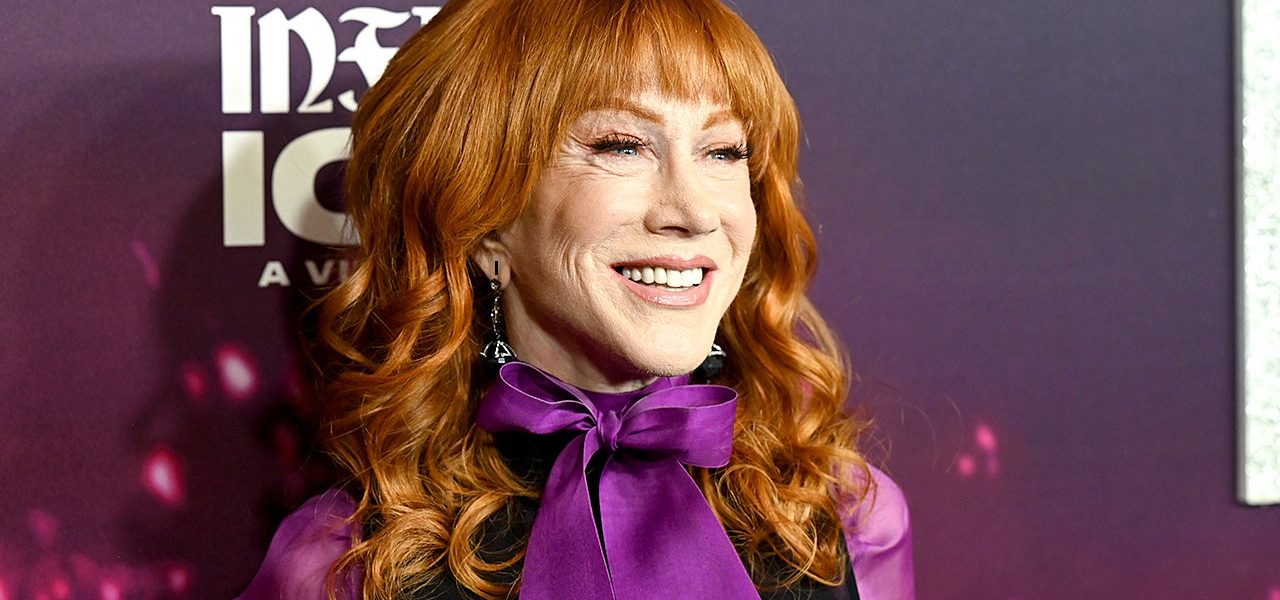
Enter Mayor Karen Bass, at the helm of a sprawling metropolis perpetually caught between progressive ideals and its entrenched bureaucratic realities. And then, there’s comedian Kathy Griffin, a public figure no stranger to controversy, now leveling an accusation of “white nationalism” directly at the Los Angeles Police Department. This isn’t just another Hollywood dust-up; it’s a charged claim aimed at the institutional backbone of public safety in a city defined by its diverse—and often fraught—social dynamics. The mayor’s response? Nothing. Zip. Nada. It’s enough to make a seasoned journalist raise an eyebrow or two.
It’s fascinating, isn’t it, how a high-profile figure can articulate such a stinging indictment against a major city institution and receive no immediate pushback from the very office tasked with its oversight? Ms. Griffin, through a series of public statements, apparently wasn’t mincing words. She accused the LAPD, directly, of housing [QUOTE_PLACEHOLDER] white nationalists within its ranks, alleging a pervasive culture of “white nationalism” or a bias toward that particular ideology. This isn’t a new conversation for the LAPD, an organization that has grappled for decades with its public image and accusations of racial bias, often in very dramatic, very public ways.
But the political calculation behind the mayor’s non-response is something to behold. Silence, it appears, is a versatile tool. It can signal disdain, agreement, or, perhaps most intriguingly, a strategy of allowing incendiary comments to burn themselves out without the oxygen of official engagement. Or maybe, just maybe, it suggests a tacit acknowledgment that elements of such a claim resonate with an electorate deeply wary of policing, even in liberal bastions like L.A. After all, the specter of institutional bias isn’t merely an American phenomenon; governments globally, from Washington D.C. to Islamabad, wrestle with maintaining public trust in law enforcement amidst accusations of systemic issues, often linked to historical inequalities or power structures.
Ms. Griffin, an individual whose career has spanned decades in the entertainment industry, apparently used language that left little room for misinterpretation. She said the department [QUOTE_PLACEHOLDER] in no uncertain terms, as part of her larger statement. And the lack of immediate denial from the mayor’s office isn’t just unusual; it creates an information vacuum. In today’s hyper-connected news cycle, a vacuum never stays empty long; it gets filled with speculation, public discourse, and, inevitably, more questions. One can’t help but wonder if the strategic delay in response isn’t about ignoring the message, but rather about managing the timing of its eventual absorption into the wider political narrative.
Let’s not pretend this is simply about celebrity drama. Los Angeles is a city that thrives—and often struggles—with its image as a global melting pot. Its diverse population, with substantial communities from every corner of the world, including a significant population of people of Pakistani and other South Asian descent, means issues of police conduct and systemic bias are keenly felt. For many, particularly those who or whose families have experienced similar power dynamics in their home countries, an accusation of “white nationalism” within a public institution isn’t abstract; it’s a frightening echo of state-sponsored prejudice that cuts deep. The average Los Angeles resident, according to a recent Pew Research Center report from 2023, shows a statistically significant variance in trust in police depending on their racial and ethnic background, illustrating the complex and often fractured relationship communities have with law enforcement.
📄 POLICY WIRE WHITEPAPER PUBLISHED: PAKISTAN'S NATIONAL SECURITY POLICY PRIORITIES
👉 READ BY CLICKING HEREWhat gives? Is Bass hoping this simply blows over, another sensational soundbite swallowed by the insatiable news beast? Or is she playing a much longer, more subtle game, unwilling to legitimize an “outrageous” claim by giving it mayoral attention? Maybe it’s a little of both. It’s Hollywood after all, where reality — and performance often blur into a shimmering, hard-to-decode haze.
The Mayor’s office was contacted for comment regarding Ms. Griffin’s allegations — and her office [QUOTE_PLACEHOLDER]. It’s a textbook move when one wishes to control a narrative by simply refusing to engage on a specific timeline or framework. But then again, a narrative uncontrolled is often a narrative spun by others.
What This Means
Mayor Bass’s deliberate silence, a studied art in itself, on the LAPD accusations carries substantial political and social weight. Economically, prolonged accusations of systemic bias against law enforcement can deter investment and tourism, particularly from international communities that value social stability and fair governance—not unlike the cautious stances investors take when political unrest or institutional corruption mars the landscape in countries across South Asia. Politically, Bass is treading a razor’s edge. Engaging too forcefully with Griffin’s claims risks alienating either the LAPD and its powerful unions, a traditional opponent of such critiques, or a segment of her progressive base, which may feel validated by the comedian’s charges.
A forceful denial could paint her as dismissive of genuine concerns; an endorsement, however subtle, could destabilize police morale and draw ire from more conservative elements. By remaining mum, Bass attempts to keep all options open, strategically allowing the storm to rage outside her purview while assessing its true impact on public opinion. But silence is never neutral; it often communicates a specific message, whether intended or not. For many in communities, especially those from Muslim-majority countries who have experienced firsthand the weaponization of state power or the erosion of democratic institutions through unchecked authority, this silence will resonate as a cautious acknowledgment, or perhaps, a frustrating deferral of accountability. It also suggests that the complex dynamics of public perception around policing are as challenging to navigate in liberal California as they’re in nations grappling with deep-seated institutional trust issues, offering a chilling lesson on how the perceived integrity of institutions, particularly law enforcement, often remains a ghost in the room.
📖 GET YOUR FREE COPY NOW OF POLICY WIRE DIGITAL MAGAZINE JULY 2026 EDITION
👉 READ & DOWNLOAD FREE MAGAZINE