


Ephemeral Blooms, Enduring Impact: Albuquerque’s Petal-Powered Revival of Community
POLICY WIRE — Albuquerque, United States — It isn’t the sweeping legislative overhaul or the splashy infrastructural project that often defines civic triumph. Sometimes, just sometimes, the...

POLICY WIRE — Albuquerque, United States — It isn’t the sweeping legislative overhaul or the splashy infrastructural project that often defines civic triumph. Sometimes, just sometimes, the true measure of a society’s resilience can be found in a humble bouquet of flowers. Down in Albuquerque, New Mexico, where desert hues meet the city sprawl, a surprisingly potent, utterly unglamorous movement is quietly reminding folks about shared humanity.
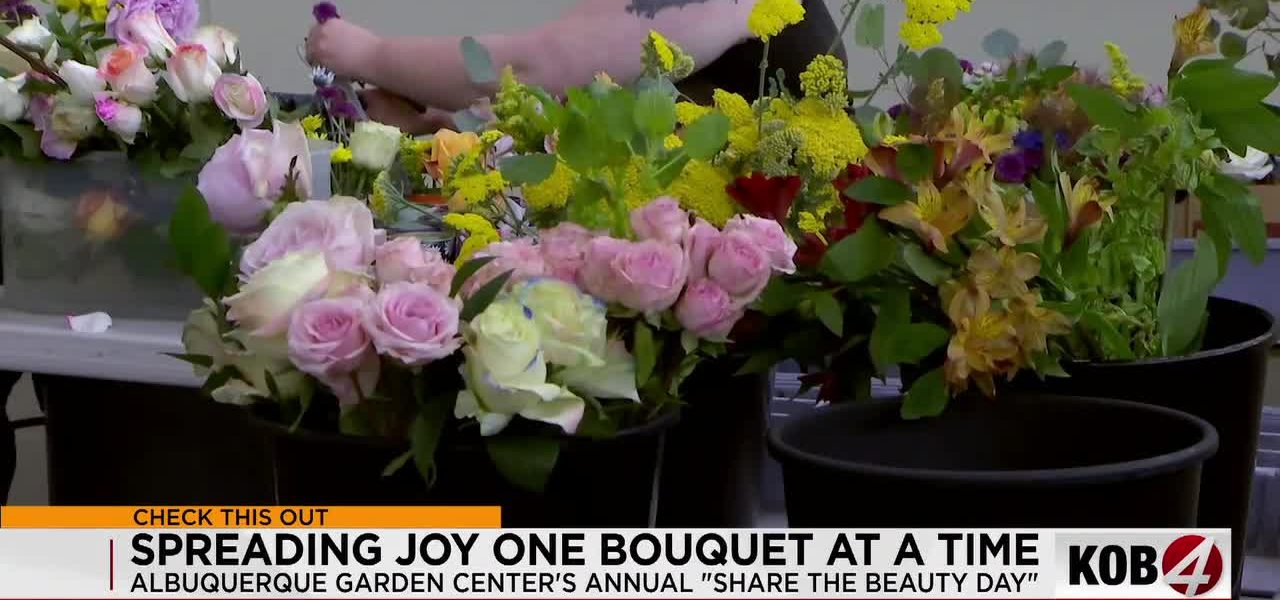
Each June, a collective of green-thumbed volunteers converges at the Albuquerque Garden Center. They aren’t debating municipal policy or campaigning for public office; they’re engaged in a decidedly analog undertaking: assembling hundreds of homemade floral arrangements. These aren’t for an elite gala, nor are they a commercial enterprise. No, these blossoms, fresh-cut and painstakingly arranged, are destined for the city’s nursing homes, delivered with a quiet dignity often absent in an increasingly frenetic world. [QUOTE_PLACEHOLDER]
It’s dubbed “Share the Beauty Day,” a name so earnest it almost resists journalistic cynicism. And yet, there’s something compelling about its stark simplicity. Think about it: a few hours of communal labor — — and suddenly, smiles. Shirley Tetreault, who chairs this understated annual event, articulates the impact with an almost disarming candor: “When we’ve come in with those flowers, those people’s face just light up. They’re so happy to see a fresh flower — and somebody come in to see him. It’s just wonderful.” It really is. She’s got a point, that one arrangement, as she notes, “is going to go and make somebody’s day so positive and so happy. That’s my goal.”
But the true policy implications stretch beyond simple acts of kindness. This initiative — a vibrant counterpoint to the often clinical routines of long-term care — speaks to a growing societal gap. As demographic shifts bring larger elderly populations, and as family units sometimes find themselves geographically dispersed or time-constrained, the burden of emotional support can fall into a nebulous space between individual responsibility and public service. Volunteers like Sue Bond of the High Desert Design Garden Club touch on this: “Some of these folks haven’t seen relatives for a long time and they’re just amazed that we do this for them. It’s just to see the joy.” It’s about visible recognition, isn’t it? They “can’t come to the garden center and look at our beautiful gardens so we’re just bringing all these flowers, all this beauty to them.” The sentiment, direct and unadorned, is simple: “It’s just to remind them that we see you, we hear you, and we all love you.”
What began as a “couple hundred bouquets” has blossomed, perhaps predictably, into a more substantial effort. This year, the team successfully compiled — and distributed 780 bouquets. That’s a significant jump, suggesting an increasing need — or at least an increasing capacity to meet that need. That figure also included some “special patriotic bouquets for veterans,” a detail that speaks volumes about tailoring generosity. It takes practically nothing to make this happen: a “soup can, some decorations and a handful of fresh flowers.” Local businesses donate the flora, volunteers repurpose the containers, and — voila — a fragile economy of goodwill thrives.
📄 POLICY WIRE WHITEPAPER PUBLISHED: PAKISTAN'S NATIONAL SECURITY POLICY PRIORITIES
👉 READ BY CLICKING HEREBut this isn’t just a saccharine tale of good intentions. It highlights an essential, often ignored, element of community well-being. And you know, this local, grassroots generosity in Albuquerque has a quiet echo in other parts of the world, too. Think of the informal networks of support that sustain communities across South Asia, where the idea of elder respect, for instance, isn’t just an abstract concept but a deeply embedded cultural expectation. While those contexts often rely on familial structures, the *spirit* of ensuring no one is forgotten — that basic human dignity is upheld through acts of recognition — resonates profoundly. Whether it’s through familial ties in a Pakistani village or through volunteer floral arrangements in New Mexico, the quest to acknowledge, to *see* fellow humans, persists. Economies shift, social structures evolve, but that core human impulse to connect? It’s stubbornly immutable.
The Garden Center itself — which marked its “50th anniversary just last year” — provides a long-standing backdrop to this kind of sustained community action. It isn’t an overnight trend; it’s an institutionalized good deed, one that reminds us that sometimes, the most effective policy isn’t drafted in a marble hall but cultivated in a garden, then delivered — literally — to a bedside.
What This Means
This Albuquerque initiative, for all its floral delicacy, packs a policy punch. It’s not just about a pretty bouquet; it’s a stark indicator of what’s often missing in the larger apparatus of elder care and community integration. The reliance on volunteer efforts — “with very little effort, you can make a lot of people happy in a very short time,” Tetreault notes — subtly critiques the current systems that sometimes leave the most vulnerable feeling unseen. This kind of spontaneous civic engagement offers a crucial, low-cost model for addressing social isolation, a significant public health concern. Economically, it showcases a powerful, decentralized form of charity, bypassing bureaucratic overheads. Politically, it should serve as a stark reminder to local and state governments: small, consistent acts of kindness, often taken for granted, provide an essential emotional infrastructure for society. It’s a compelling, organic response to gaps left by traditional welfare models, demonstrating that — when official channels fall short — community spirit often fills the void, one blooming petal at a time.