


Legal Titans’ Latest Verdict Sends Shivers Through Constitutional Safeguards
POLICY WIRE — Washington D.C., USA — A recent Supreme Court decision, though cloaked in the usual judicial decorum, has quietly—insidiously, some would say—pared back the very protections meant to...

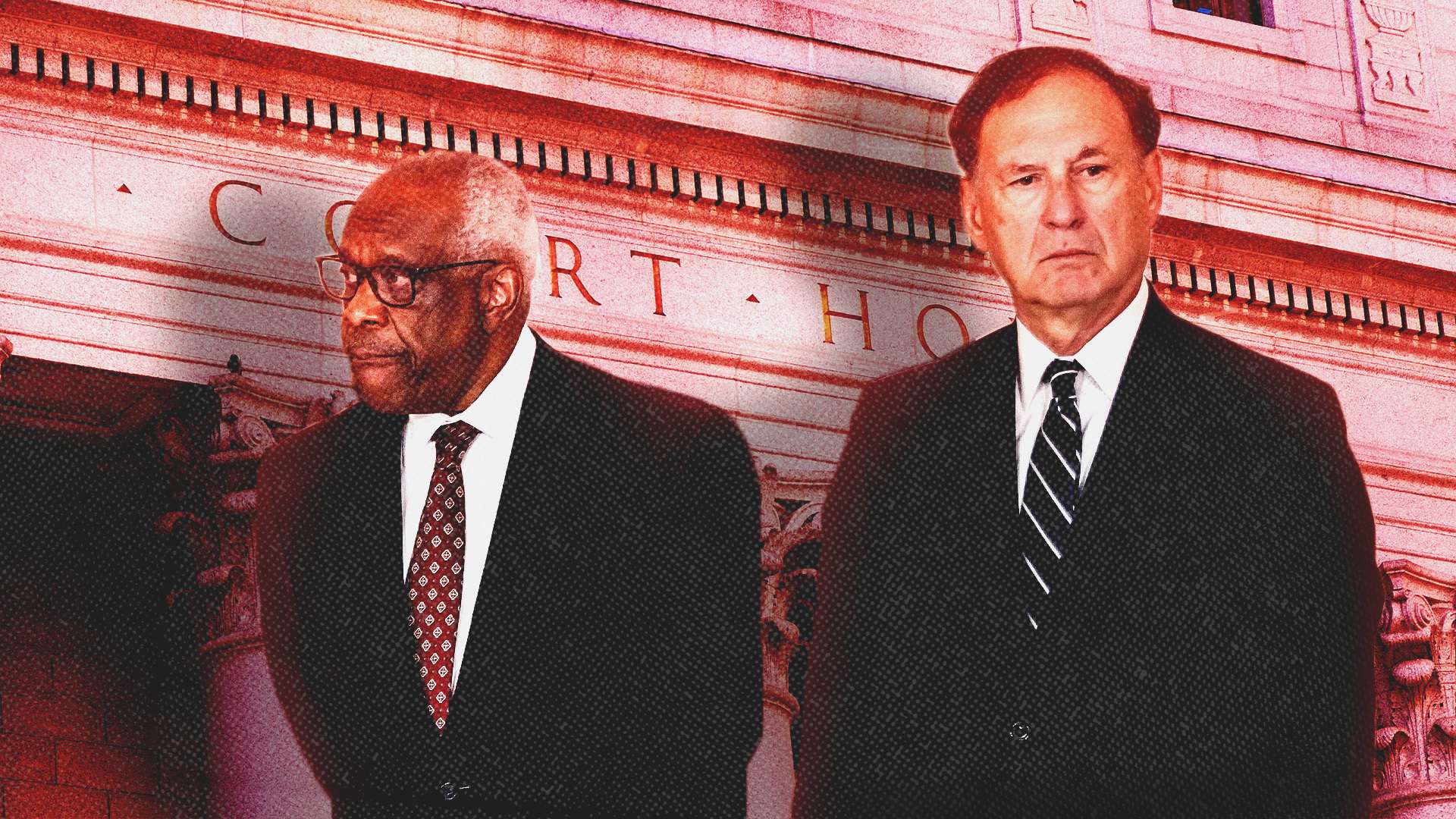
POLICY WIRE — Washington D.C., USA — A recent Supreme Court decision, though cloaked in the usual judicial decorum, has quietly—insidiously, some would say—pared back the very protections meant to guard ordinary citizens against unchecked state power. It’s not always the grand pronouncements that reshape the landscape of liberty; often, it’s the steady, methodical erosion, case by incremental case. And here we’re again, staring down a fresh installment in this unfolding narrative, one that finds Justices Clarence Thomas and Samuel Alito once more aligning to reinterpret, or perhaps just conveniently forget, core tenets of the Bill of Rights.
It was never going to be a shock, honestly. Their jurisprudential leanings aren’t exactly a state secret. But this particular ruling—its full impact still congealing in the chilly air of legal analysis—feels like another turn of the screw. They didn’t dismantle the entire scaffolding of criminal justice protections with a single blow; instead, they nicked away at its supports, rendering it just a little more wobbly for those who find themselves caught in its maw. It’s a move that many see as consistent with a broader ideological push to enhance the power of the state at the expense of individual procedural guarantees. A lot of folks out there, good people trying to make sense of what just happened, they’re wondering what exactly happened in the decision; what specific phrasing Thomas or Alito used to justify their stance is the part everyone needs to know: [QUOTE_PLACEHOLDER]. But, for many civil liberty advocates, it’s a pattern that causes deep unease, seeing foundational rights chipped at year after year.
And it’s not just some esoteric legal squabble for constitutional scholars to chew on in ivory towers. No, this stuff trickles down, fast. Imagine you’re just trying to get by, working hard, when suddenly your life gets tangled in the unforgiving machinery of the state. These aren’t abstract concepts to you; they’re the difference between a fair shake — and getting railroaded. We’re talking about basic assurances like the Fourth Amendment, which protects against unreasonable searches—or it’s supposed to—and the Sixth, ensuring fair trial processes. When the highest court in the land offers interpretations that lean decidedly against the individual, it sends a clear message down to every police precinct and courthouse across the country. It signals a willingness to perhaps not completely re-think what rights we consider essential, but to narrow their application. It’s quite the subtle art, this judicial alchemy.
You’ve got to consider the long view, too. The implications of such rulings stretch far beyond America’s borders. In places like Pakistan, for instance, where constitutional safeguards—however imperfectly applied—are hard-won gains, this kind of precedent from a supposed bastion of democracy offers little comfort. There, the fight for robust protections against state overreach is a daily struggle for countless human rights defenders and civil society groups. The constant tension between security concerns — and individual liberties is a global challenge. It’s a debate we’re watching unfold not just in Washington, but in Karachi, in Lahore. One can’t help but see parallels, an unnerving symmetry perhaps, between judicial interpretations that broaden executive power and the fragility of civil liberties worldwide, especially in Muslim-majority nations grappling with authoritarian impulses. Justice Thomas’s perspective on fundamental aspects of judicial review and stare decisis has been elaborated by critics, noting his tendency to [QUOTE_PLACEHOLDER] in prior dissents. But, if anything, decisions like this risk bolstering arguments in favor of more authoritarian practices globally, where rule of law often bends to power.
What gives this particular decision extra bite is its broader context. Public trust in institutions? It’s not exactly at an all-time high, is it? According to a recent Gallup poll conducted in June 2023, only 27% of Americans expressed a great deal or quite a lot of confidence in the U.S. Supreme Court. This continued chipping away at established understandings of criminal procedure by some of its most senior members doesn’t exactly instill renewed faith. It’s tough, because you want the courts to be the last line of defense, not another variable in a rigged game. What do you say to someone facing incarceration who feels their procedural safeguards have been gutted without an obvious explanation of how that happened, beyond what they call the [QUOTE_PLACEHOLDER] rationale for the court’s ruling?
Because frankly, people expect a level playing field. And when the very architecture of that field starts to subtly tilt, people notice. It leads to questions—tough ones—about the impartiality and mission of the judiciary. This isn’t about liberal or conservative; it’s about a more fundamental erosion. A lot of judges and legal minds, regardless of political stripes, just want to see predictable, consistently applied law. When the law shifts like desert sand underfoot, well, that’s where the real trouble starts, not just for the individual, but for the entire societal contract. One thinks of crumbling infrastructure in a different sense, a foundational rot that’s harder to spot but just as damaging.
What This Means
The latest Supreme Court ruling is more than just another notch on the conservative bench’s belt; it’s a subtle yet significant reorientation of the balance between individual liberties and state power, particularly within the criminal justice system. Expect prosecutors nationwide to feel emboldened, potentially pushing the boundaries of legal procedure in ways previously deemed questionable. On the economic front, a more state-friendly legal landscape can be a double-edged sword: while some argue it reduces litigation risk for certain businesses, it undeniably introduces a climate of uncertainty for others, particularly those vulnerable to aggressive regulatory enforcement or who simply employ individuals whose rights are now less ironclad. For communities of color and low-income populations—groups historically overrepresented in the criminal justice system—the impact is disproportionately stark. It means a tougher road ahead for those seeking exoneration or redress for improper conduct, a future where the procedural hurdles grow higher and the safety nets grow thinner. This isn’t a one-off anomaly; it’s part of an ongoing narrative about the fate of individuals within large, often impersonal systems.