


The Ghost in the Lab: A Mother’s Grim Fate Stirs Deeper Questions at America’s Sensitive Core
POLICY WIRE — Washington D.C., USA — Sometimes, it's the everyday, mundane act that ends up screaming the loudest. You know, like a mom packing a sandwich, or zipping off to meet her kid during...

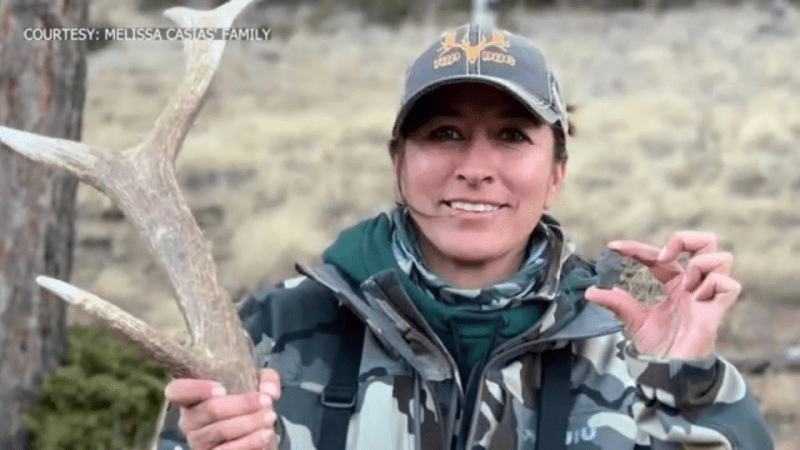
POLICY WIRE — Washington D.C., USA — Sometimes, it's the everyday, mundane act that ends up screaming the loudest. You know, like a mom packing a sandwich, or zipping off to meet her kid during a quick lunch break. That's the picture everyone had, for a whole darn year, of the national lab worker now identified by her remains. One moment, she's performing a mother's timeless chore—ferrying sustenance to her offspring. The next, a profound, chilling absence. It’s a gut-punch discovery that tears open an old wound, turning vague hopes into concrete grief for a family, and raising prickly questions about what really lurks just beyond the perimeter of our most secure scientific outposts.
It wasn't a spy thriller, not on the surface anyway. No grand pronouncements, no dramatic defections. Just a woman, her routine, — and then nothing. But that "nothing" spiraled into a relentless, year-long search. Now, the grim announcement arrives, quiet as a whispered prayer in a desolate field. And with it, the unsettling confirmation of death, closing one chapter while violently opening another, far darker one.
Her work at a national laboratory – the kind of place where big brains do big, secret things for the nation’s good – automatically throws a longer shadow over her disappearance and subsequent discovery. We're talking facilities brimming with classified research, sensitive materials, and the kinds of innovations that keep adversaries up at night. But even in these tightly controlled environments, life happens, people have lives outside the chain-link fences. You expect threat from without, don't you? From the dark corners of the globe? Not this lingering, personal void that feels almost — almost — more unsettling.
Because that’s the rub, isn’t it? The public assumes a certain impermeability around these scientific citadels. Iron gates, surveillance cameras, ID badges. It creates a perception of control, a sense that inside those perimeters, everyone is accounted for, safe, secure. But this tragic incident rips a hole right through that illusion, reminding us that even the most dedicated scientific minds, contributing to critical national security or groundbreaking energy research, remain flesh and blood, vulnerable to the same sudden cruelties that plague us all.
Her case joins a disconcerting list, stretching from urban centers to remote, forgotten pathways, of individuals whose sudden vanishing leaves families adrift in a sea of unknowing. According to data compiled by the National Missing and Unidentified Persons System (NamUs), there were over 20,000 active unidentified person cases in the U.S. in recent years. This statistic, bleak as it’s, merely scratches the surface of the despair, the daily struggle for answers. Each number represents a human being, a story, — and often, an ongoing investigation stretching resources thin. This woman was a scientific mind, yes, but first — and foremost, a mother.
And here’s where the silence really bites: what caused this year of dread, — and this brutal end? Was it an accident, an unforeseen natural tragedy during a seemingly innocuous errand? Or something far more sinister? The public statement confirmed the identification of remains [QUOTE_PLACEHOLDER] through dental records, yet the official response remains largely muted, tightly wrapped in the protocol of ongoing investigations. Doesn't surprise you, does it? Federal agencies, they're not usually the chatty type.
📄 POLICY WIRE WHITEPAPER PUBLISHED: PAKISTAN'S NATIONAL SECURITY POLICY PRIORITIES
👉 READ BY CLICKING HEREWe see this vulnerability everywhere, not just within America’s high-tech labs. Across the world, from the highly advanced scientific installations of Europe to the emerging tech hubs of Asia, the security of personnel and the sanctity of individual lives form the unseen infrastructure of societal trust. In places like Pakistan, for example, which hosts its own strategic installations and research centers, the anxieties around staff safety, intelligence vulnerabilities, and indeed, simply the unknown fate of a missing person, carry heavy weight. These aren't just domestic dramas; they’re echoes of a universal fear of instability, a fear that gnaws at the edges of even the most ordered societies.
The very ambiguity here, that year-long vacuum of information, only deepens the unease. It speaks to the frustratingly slow grind of forensic work, police procedure, and the vast, unfeeling indifference of the wild. Her colleagues will walk past an empty office chair now with a profound weight – not just of sadness, but perhaps a gnawing sense of "what if." But it’s the daughter who suffers most. That lunch, never delivered, now carries a lifetime of poignant regret.
What This Means
The discovery of the national lab worker's remains casts a chilling, pragmatic light on several fronts. Economically, prolonged missing person investigations, especially those potentially tied to federal institutions, represent a considerable drain on public resources. We’re talking countless man-hours, forensic analyses, search teams – a substantial, unbudgeted expenditure that often yields only sorrow. this kind of incident, though localized — and deeply personal, subtly erodes public confidence. If personnel from our 'most secure' institutions can disappear without immediate trace, it begs the question: how robust are the protections against subtler threats? It doesn't imply a breach, no, but it plants a seed of doubt. The illusion of impenetrable security, whether it relates to data or human lives, is a delicate thing. When it cracks, even slightly, the wider political landscape pays attention, evaluating perceived vulnerabilities. This isn't just about a tragic death; it’s a silent audit of the system's unspoken promises of safety and accountability. And for the lab itself, it forces an uncomfortable introspection, no matter how unrelated the cause of death may eventually prove to be to her employment.