

Japan’s Verdant Paradox: When Natural Beauty Becomes a Geopolitical Barometer
POLICY WIRE — Tokyo, Japan — Mount Fuji, that stoic, snow-capped sentinel, stares out from countless postcards. It’s the ultimate symbol of Japan, yes, but for seasoned observers, its...

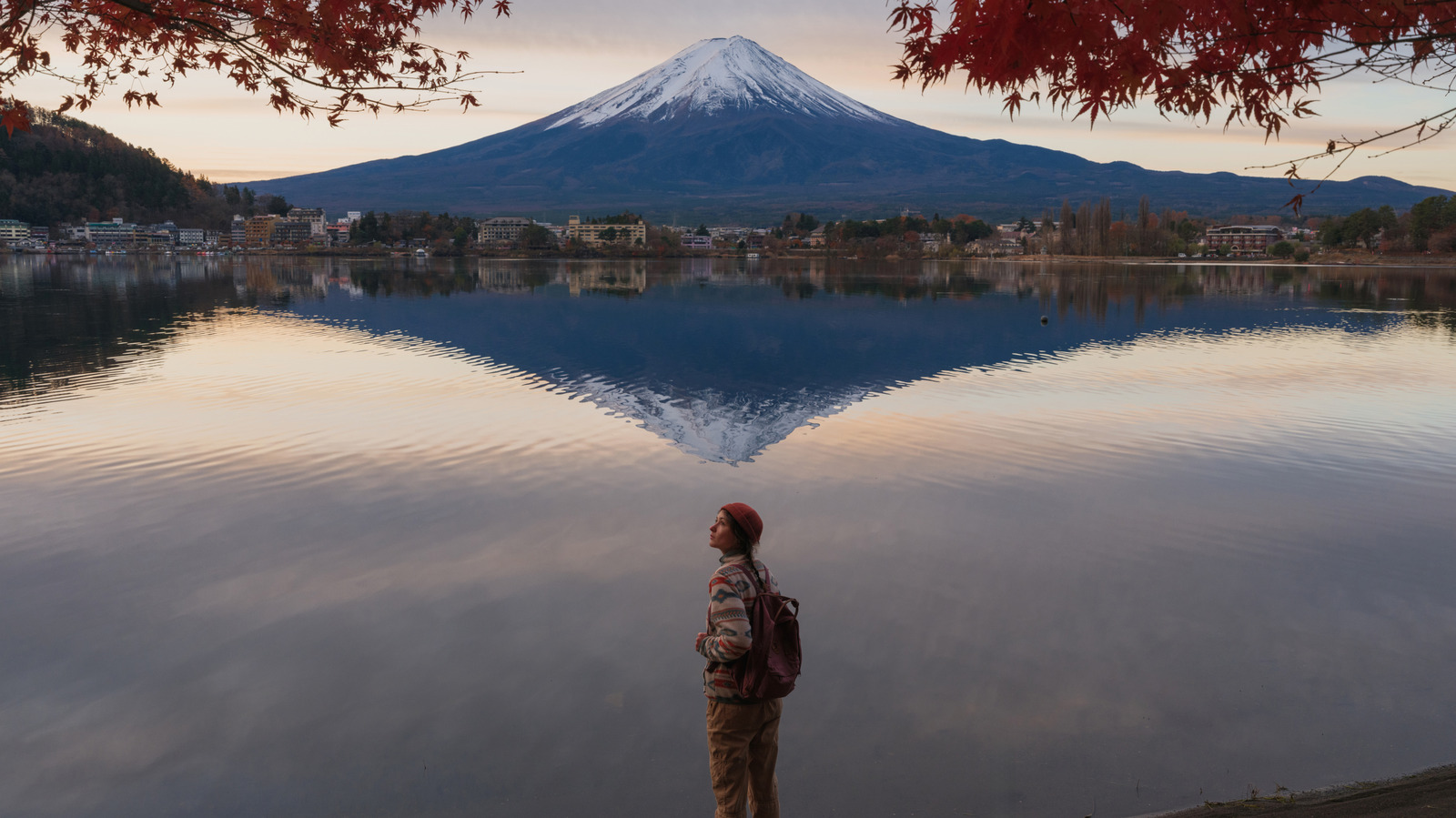
POLICY WIRE — Tokyo, Japan — Mount Fuji, that stoic, snow-capped sentinel, stares out from countless postcards. It’s the ultimate symbol of Japan, yes, but for seasoned observers, its surroundings—the sprawling Fuji-Hakone-Izu National Park—tell a far more layered tale. We’re not just talking about scenic trails or the caldera lakes here. We’re talking about an intricate dance between natural spectacle, burgeoning global demand, and the cold, hard realities of maintaining a volatile geological wonder that also serves as an economic engine and a quiet, persistent statement of national soft power.
It’s easy to get lost in the sheer prettiness of it all—the volcanic islands that jut defiantly from the Pacific, the serene thermal vents whispering ancient secrets. But dig a little deeper, and you find the kind of pressures that keep bureaucrats in bland, well-tailored suits awake at night. Because beauty, it turns out, can be a demanding mistress. Especially when it’s threatened by its very own foundational elements—a perpetually active tectonic plate that occasionally reminds everyone who’s boss with a tremor or a plume of smoke. What’s often pitched as a postcard-perfect escape is, in fact, a tightly managed exercise in risk assessment and infrastructure fortitude. [QUOTE_PLACEHOLDER]
Consider the throngs. Tourists pour in by the millions. And they don’t just come for the pretty pictures. They come for the experience, a curated slice of what Japan wants the world to see: order, serenity, a profound respect for nature. That takes immense, unseen effort. The pathways aren’t just there; they’re maintained. The information points aren’t just accidental; they’re staffed. The sheer volume of waste generated by a site that attracts over 25 million visitors annually across all its national parks—as reported by the Japan National Tourism Organization—is staggering. Managing that isn’t just about bigger bins; it’s about sophisticated logistics and environmental policies that countries everywhere, particularly those in the rapidly developing global South, could stand to scrutinize.
Because frankly, other nations don’t have Japan’s decades of meticulous planning. Think about Pakistan’s nascent attempts to leverage its breathtaking northern landscapes for tourism. The Gilgit-Baltistan region, with its own soaring peaks — and untouched wilderness, shares a similar draw. But the infrastructure? The capacity for sustained high-volume tourism? That’s where the comparison turns stark. While Japan’s park authorities fret over sophisticated eruption early warning systems for volcanic islands, Pakistani officials grapple with basic road access and solid waste management in its emerging mountain destinations. It’s not a criticism, it’s just how the economic chips fall; Japan’s approach isn’t an overnight phenomenon. It’s born from relentless investment — and a national psyche geared toward communal order.
And it’s not just infrastructure. The perception matters. Japan has cultivated a global brand for its nature tourism, something developing economies, including many in the Muslim world, are actively trying to replicate. They’re looking for that magic formula that balances conservation with revenue generation. But achieving the seamless blend of hospitality, ecological awareness, and sheer accessibility found in Fuji-Hakone-Izu is a slow burn. It involves regulatory frameworks, community buy-in, and significant state resources—things that aren’t always readily available amidst competing national priorities. Because national parks, particularly those designated Most Popular, aren’t just stretches of land; they’re economic zones, cultural touchstones, and sometimes, inconvenient geological liabilities. They demand a focused, almost clinical attention to detail.
You can’t just throw up a sign — and expect ecological miracles and tourist dollars to materialise. It takes strategic foresight. It requires managing not only nature’s unpredictability but also humanity’s relentless consumption. Consider the ongoing dialogue in places like Indonesia, where their own dramatic landscapes, such as the famous canyons, are grappling with the quiet price of global blockbusters and escalating visitor numbers. The same environmental stress points—waste, water, local displacement—are global currencies. Japan has simply had more time — and resources to develop its countermeasures.
But there’s a certain fragility here, too. What happens if the volcanos decide they’ve had enough of playing nice? What happens if climate change shifts weather patterns in ways that impact the hiking seasons or the structural integrity of volcanic lakes? These aren’t hypothetical questions for long-term planners; they’re pressing operational considerations. Because Fuji-Hakone-Izu isn’t just a scenic vista. It’s an economic artery, supporting countless small businesses, entire regional economies. Its health directly correlates to the prosperity of nearby communities.
The lessons embedded in Japan’s national park success story—and its inherent challenges—aren’t solely about breathtaking views. They’re about strategic governance, sustainable development, and the very real fiscal burden of safeguarding national treasures. Any nation aiming to emulate this success would do well to study not just the stunning pictures, but the spreadsheets, the geological reports, and the intricate web of policies that keep such natural grandeur both accessible and, against all odds, relatively intact.
What This Means
The management of an iconic natural asset like Fuji-Hakone-Izu National Park isn’t merely an ecological endeavor; it’s a profound political and economic barometer for Japan, with implications rippling globally. Economically, its sustained popularity drives significant revenue, supporting local economies through tourism dollars—a critical component of Japan’s post-pandemic recovery strategy. Any disruption, be it natural disaster or a significant drop in visitor numbers, would have immediate, cascading effects, destabilizing numerous small enterprises and regional employment.
Politically, the park serves as a soft power projection. Its meticulously managed environment, pristine facilities, and emphasis on public safety subtly broadcast Japanese efficiency, technological prowess (especially in disaster preparedness for its volcanic features), and cultural values globally. This influences foreign policy perceptions — and attracts foreign investment, not just tourist euros. But it’s also a stark reminder of the financial and bureaucratic heavy-lifting required to maintain such an image—costs that lesser-resourced nations can rarely bear. This disparity underscores a global fault line in environmental stewardship, where only nations with robust economies and established governance structures can afford comprehensive conservation and tourism management on such a grand scale. The struggle for many South Asian and Muslim-majority nations, therefore, isn’t just about attracting tourists; it’s about building the institutional capacity and fiscal stability necessary to preserve and profit from their own natural endowments without inadvertently destroying them.