


Fading Blooms & Frail Solace: Albuquerque’s Quiet Rebellion Against Social Drift
POLICY WIRE — ALBUQUERQUE, N.M. — A dried flower petal falls unnoticed, landing softly on polished linoleum. Not glamorous, not newsworthy by most metrics. But it symbolizes something potent. While...

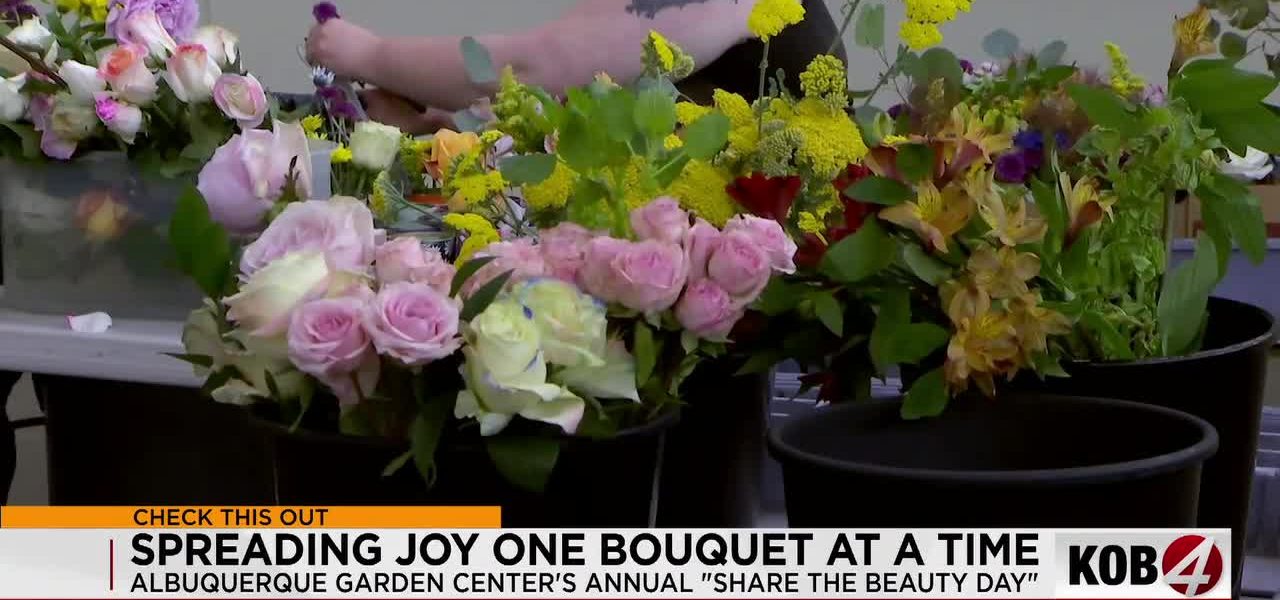
POLICY WIRE — ALBUQUERQUE, N.M. — A dried flower petal falls unnoticed, landing softly on polished linoleum. Not glamorous, not newsworthy by most metrics. But it symbolizes something potent. While headlines scream about geopolitical tremors and economic jitters, a quieter campaign is underway in Albuquerque, New Mexico—a local pushback against the creeping solitude that afflicts an increasingly institutionalized populace. It’s called “Share the Beauty Day,” and it isn’t merely about bouquets; it’s about connection, or perhaps, a desperate patching of a fraying social fabric.
Each June, a loose coalition of gardening aficionados, the kind who know their marigolds from their petunias without having to check their phones, converges at the Albuquerque Garden Center. They aren’t discussing advanced horticulture. No, these folks are engaged in a humble assembly line. Soup cans, cleaned and decorated, get stuffed with donated flora, transformed into bright, if temporary, splashes of color. Then, these little bundles are hand-delivered to nursing homes scattered across the city, often to residents who haven’t seen a friendly, non-staff face in days, sometimes weeks. Shirley Tetreault, who chairs this understated annual event, sums it up with pragmatic clarity: “You see faces light up. That’s why we keep at it. What else are we gonna do?”
And that’s the rub, isn’t it? These volunteers, fueled by simple empathy and donated blossoms, are quietly, efficiently doing the work that arguably falls to broader social programs, to family networks that have, for whatever reasons, thinned out. The original idea, a couple hundred bouquets, mushroomed last year into 780 of them. That’s a good chunk of temporary cheer. Sue Bond, a volunteer with the High Desert Design Garden Club, cuts right to it: “Many of these residents haven’t seen relatives in a good long while. We’re just trying to remind them someone’s out there. Someone sees them. It’s not complicated, is it?”
It sounds small. Trivial, even. Yet, it sits at the uncomfortable intersection of individual benevolence — and systemic neglect. Consider the data: A 2023 study by the U.S. Surgeon General’s office found that one in two adults in the U.S. report experiencing measurable levels of loneliness, with seniors disproportionately affected. This isn’t just about feeling a bit blue; chronic loneliness can increase the risk of premature death to levels comparable to smoking 15 cigarettes a day. So, these seemingly innocuous floral offerings become less about aesthetics — and more about, well, public health. Mayor Tim Keller of Albuquerque, a man not prone to flowery rhetoric (pun intended, maybe), observed, “We spend a lot of time talking about grand infrastructure projects or economic development. But sometimes, the strongest infrastructure is the community itself, built through these quiet, consistent acts of kindness. They’re not quantifiable in GDP, but they sure matter.”
New Mexico State Representative Patricia Roybal Caballero, known for her sharp observations on elder care funding, offered a more guarded perspective. “This volunteer effort, it’s beautiful. Absolutely. But it also highlights the yawning chasm in our state’s commitment to our elderly citizens’ mental and emotional well-being. Flowers are a balm, not a budget line item. We shouldn’t need volunteers to compensate for structural deficiencies. It’s a stop-gap, folks, and an admirable one, but that’s what it’s.” Her candor—refreshing, if stark—reminds us that charity, however well-intentioned, often operates in the shadow of policy shortfalls.
📄 POLICY WIRE WHITEPAPER PUBLISHED: PAKISTAN'S NATIONAL SECURITY POLICY PRIORITIES
👉 READ BY CLICKING HEREBut the ‘beauty’ shared extends beyond a vase. It’s a moment of recognition in a society that often prefers to neatly tuck away its aging population behind institutional walls. Compare this to the multi-generational households that are still, thankfully, a deeply ingrained norm in many parts of the Muslim world, from Lahore to Cairo. In places like Pakistan, the idea of an elder languishing in loneliness, without regular family contact or community care, is often seen as a failure of social obligation, not merely an unfortunate consequence of aging. It makes you wonder—is Albuquerque’s little flower initiative a concession, a subtle indictment of our own evolving social norms, or simply a desperate human reach for connection in a world that’s decided efficiency often trumps genuine care?
What This Means
This whole ‘Share the Beauty Day’ gig isn’t just a feel-good piece; it’s a window into some pretty gnarly societal realities. Politically, it screams about neglected elder care, about how stretched public resources force civic-minded citizens to step in. Because, let’s be honest, governments aren’t exactly showering nursing homes with personalized flower deliveries. It’s an admission, often unsaid, that the state’s safety net has holes. Economically, these volunteers are creating social capital — providing a service that would otherwise be either unmet or require paid labor, thereby indirectly offloading a social cost. But the bigger picture? It’s a quiet testament to the enduring power of grassroots community in the face of what often feels like an isolating, atomized modern life. It’s a temporary comfort, a fleeting burst of connection for those society’s too-often left behind. These local efforts, noble as they’re, also serve as a stark reminder of where real societal cracks lie, much like how public health foundations can unexpectedly show their weaknesses when put under pressure. We need to remember that community efforts shouldn’t just be praised; they should provoke deeper questions about systemic support.