

Inferno’s Grinding Advance: New Mexico Blaze Echoes Global Climate Calcification
POLICY WIRE — Capitan, New Mexico — The scent of charred pine still clings to the high desert air, a grim reminder. You don’t often measure victory in terms of what hasn’t burned. But for...

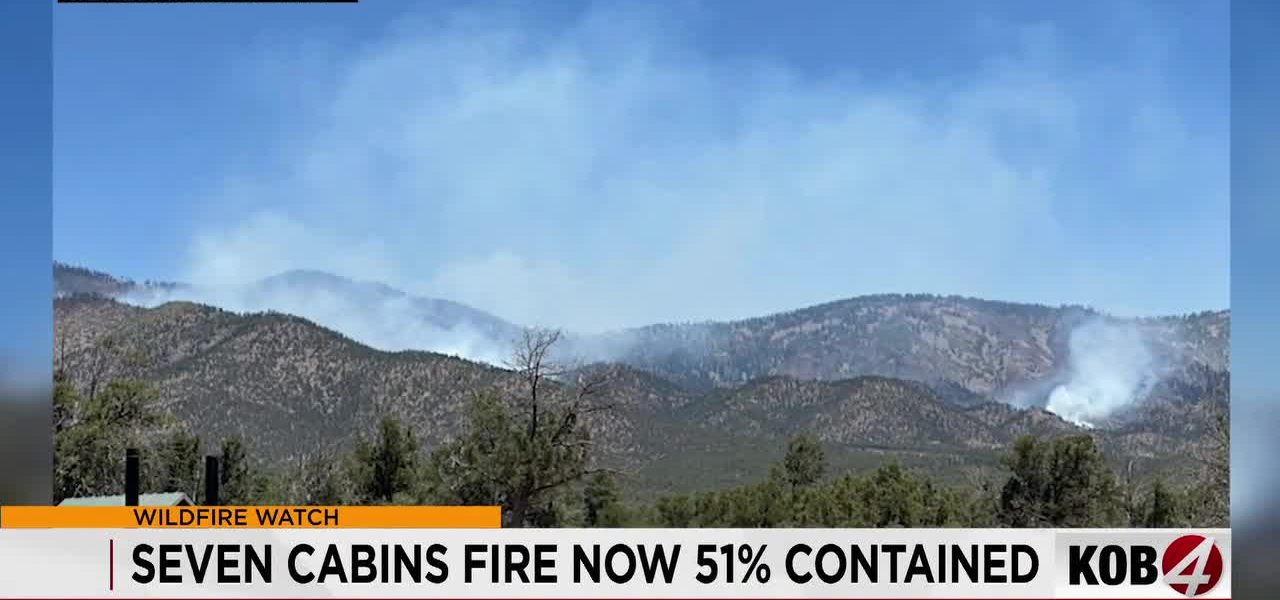
POLICY WIRE — Capitan, New Mexico — The scent of charred pine still clings to the high desert air, a grim reminder. You don’t often measure victory in terms of what hasn’t burned. But for firefighters battling the Seven Cabins Fire in the Capitan Mountains, 51 percent containment feels less like a triumph and more like a reprieve—a temporary stalemate against a patient, hungry adversary. It’s not over. Not by a long shot.
This blaze has chewed through over 29,000 acres, leaving a landscape of ash — and desolation in its wake. It’s an unnerving dance with mother nature, made more frantic by relentless heat and an aridity that makes every dry scrub, every withered tree, a potential fuel source. The forest isn’t just closed; it’s a no-go zone. From east of Highway 246 down to the Forest Service boundary, past Forest Road 57, a cordon keeps humanity out, but the flames, they just keep pushing.
Fire Chief Isabella Rossi, her face streaked with soot and exhaustion etched into her eyes, didn’t sugarcoat the situation. “We’re not winning; we’re just… holding ground,” she confided, gesturing vaguely toward the smoke plume still visible on the horizon. “The fuel’s still there. And the wind, it always shifts eventually, don’t it?” It’s a game of percentages that doesn’t account for the land lost or the ecosystems shattered.
And then there’s the ongoing uncertainty for folks living in the path. Evacuation statuses remain a fluid, anxious thing, changing with daily evaluations. The ‘SET’ status – meaning residents should be prepared to leave at a moment’s notice – hangs over areas from Fort Lone Tree down to Padilla Ranch, reaching east to Forest Road 57 and extending along State Highway 246 near Boy Scout Mountain. Imagine living with that knot in your gut, always wondering if today’s the day you gotta grab what you can — and go.
But the Capitan inferno isn’t just a local tragedy. It’s a microcosm of a much larger, increasingly volatile global narrative. These same arid conditions and record-setting temperatures aren’t unique to New Mexico’s mountains; they’re mirror images of what’s ravaging landscapes from California to the Mediterranean, from Australia to parts of South Asia. Consider Pakistan, for instance, a nation grappling simultaneously with devastating floods one year and then, with barely a breath, prolonged droughts the next, annihilating crops and displacing millions. The parallels in terms of climate volatility — and forced human displacement are stark. This global pattern isn’t just coincidental; it’s systemic. These events, be they American wildfires or subcontinental agricultural crises, increasingly point to deeper systemic fissures in how societies cope with environmental collapse.
Governor Marcus Thorne didn’t mince words during a rare public statement concerning the Seven Cabins event. “This isn’t just about Capitan anymore,” he stated, a distinct lack of political gloss in his tone. “It’s a stark reminder that our long-term climate strategies need serious re-evaluation. The financial strain on our state, frankly, is immense. It depletes resources we desperately need for everything else.”
📄 POLICY WIRE WHITEPAPER PUBLISHED: PAKISTAN'S NATIONAL SECURITY POLICY PRIORITIES
👉 READ BY CLICKING HEREAnd he’s not wrong. According to data from the National Interagency Fire Center (NIFC), over 7.5 million acres burned across the United States in 2023. That’s a grim figure, standing significantly above the 10-year average—a trend that places increasing pressure on federal and state budgets, stretching firefighting capabilities thin, and drawing resources from other pressing social and economic needs.
What This Means
This isn’t just about smoke and ash. This ongoing environmental catastrophe holds significant political — and economic ramifications. Politically, the persistent fires exacerbate debates over climate change policies, land management practices, and government funding for disaster preparedness. Local and state governments are finding their coffers—already strained by other demands—hollowed out by the sheer expense of battling these super-blazes. It also throws a wrench into conversations about sustainable tourism and economic diversification for communities that often depend on healthy forests.
Economically, the impact stretches far beyond the immediate damage. Insurance rates climb. Property values in at-risk zones plummet. But because supply chains can also be disrupted—think timber, local agriculture, even recreational activities that generate income—these fires can cause ripples of uncertainty through regional economies. What’s more, a fire of this magnitude affects air quality for hundreds of miles, presenting a public health challenge. And nationally, the rising frequency and intensity of such events mean an increasing drain on federal funds, potentially redirecting money from other projects or compelling difficult budget cuts elsewhere. It’s an issue of geo-environmental instability, one where local blazes reveal a frightening national, even global, vulnerability. So, while Capitan’s immediate struggle is paramount, its embers cast long shadows, signalling a wider predicament that neither politicians nor citizens can afford to ignore.