


Tenth Day Turmoil: Newark Detention Protests Lay Bare Policy Fissures
POLICY WIRE — Newark, USA — Modern America’s urban landscape, particularly in places like Newark, holds a peculiar quality. It’s a land of constant flux, but also of calcified bureaucracy,...

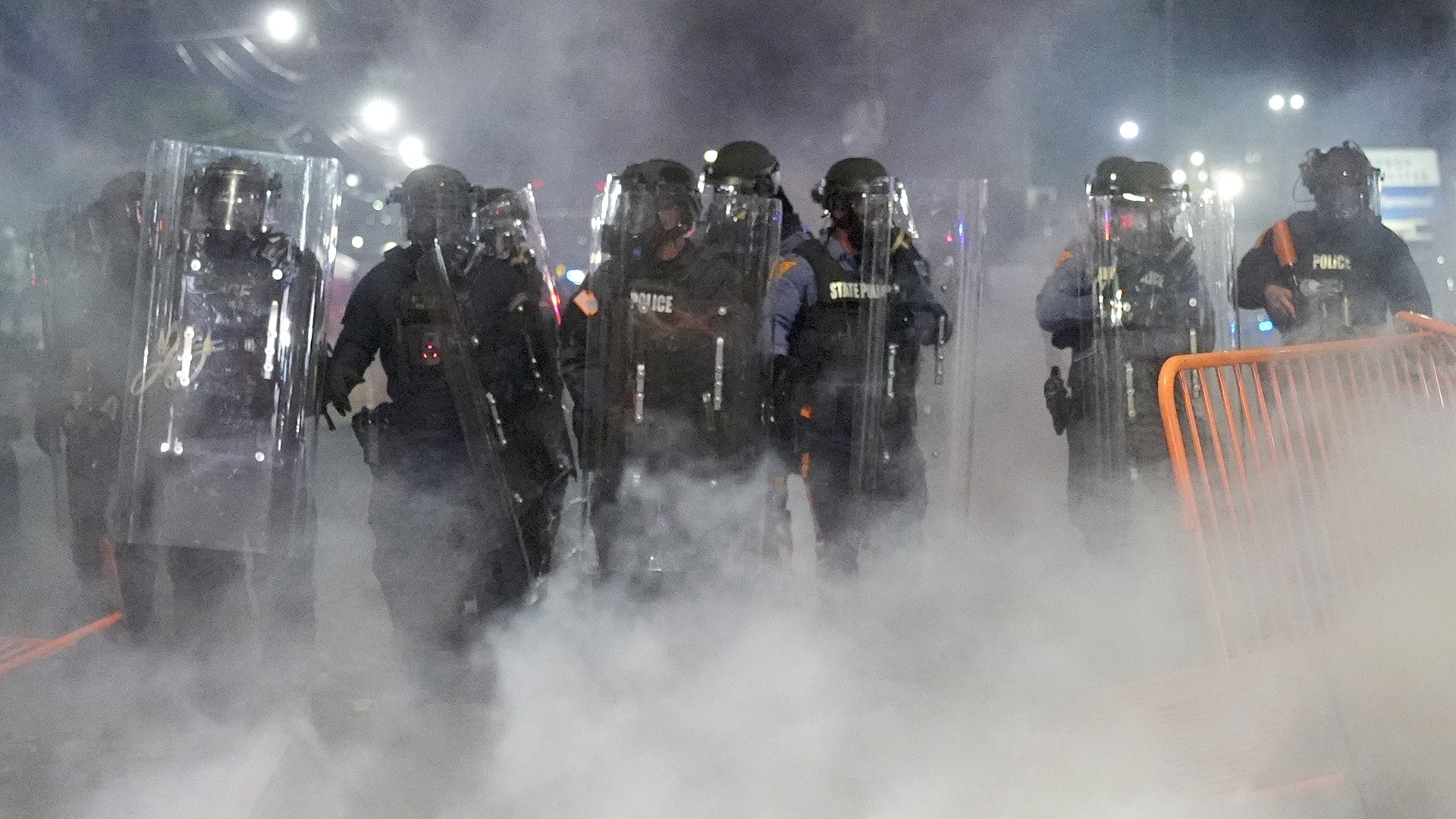
POLICY WIRE — Newark, USA — Modern America’s urban landscape, particularly in places like Newark, holds a peculiar quality. It’s a land of constant flux, but also of calcified bureaucracy, where the temporary often solidifies into something enduringly, almost ironically, permanent. Ten days of unbroken protest outside the Immigration and Customs Enforcement detention facility here don’t just mark another local flare-up; they’re a physical manifestation of a simmering national discord, a relentless drumbeat against the unseen mechanisms of state power.
It’s become a stubborn feature of the cityscape, these protests, growing day by day, like an insistent echo in the concrete jungle. What began as an immediate outcry has morphed into a steady demonstration of collective exasperation, signaling that for a segment of the citizenry, the debate over who belongs, and where, is far from settled. But you know, this isn’t just about New Jersey or Newark; it’s about the uncomfortable friction where humanitarian concerns meet governmental control—a tension that feels increasingly raw on the streets.
Activists, organizers, — and families have formed a steadfast vigil. They’re shouting for what they perceive as justice, — and they aren’t about to quit. They insist [QUOTE_PLACEHOLDER], and the chorus of voices seems only to swell with each passing hour. But this isn’t just noise; it’s a coordinated pushback, demanding greater transparency and accountability from federal agencies operating within their municipal limits. For many on the outside, it’s about human beings caught in a labyrinth, not mere policy directives.
The facility itself, a grey, foreboding structure, stands as a grim symbol. Within its walls are individuals from every corner of the globe, their journeys ending, for now, in administrative limbo. Many are fleeing persecution or instability, some from regions grappling with regional power shifts —the kind of turbulence that propels mass movements of people, often from places like Afghanistan, Syria, or Pakistan, across continents towards what they hope is safety. These facilities, however, represent a bottleneck, a hard stop in that arduous trek.
Officials, predictably, maintain that their operations are necessary, by the book, and about national security, not simply arbitrary confinement. And they don’t seem to be blinking. The New Jersey Governor himself has weighed in previously on such matters, famously accusing external agitators of fueling unrest at other detention sites. It’s an age-old political play, shifting blame to unnamed outsiders rather than engaging with the deeply rooted local grievances, or even just the messy ethical questions at hand.
Here’s the thing, it’s a cold fact: people spend real time in these places. A 2023 report from TRAC Immigration at Syracuse University found that the average length of stay in ICE detention centers for individuals with no criminal record was 53 days. That’s nearly two months, for people who’ve often committed no crime beyond seeking a better life. Imagine a country where such detentions are a routine facet of the immigration process, not an anomaly. It’s happening right now, in your backyard, essentially.
The protestors argue that this isn’t simply an issue of illegal immigration, but of human rights and ethical governance. They’ve coalesced around demands that transcend political affiliation—they just want people to be treated with dignity. And frankly, after ten days, their staying power demonstrates a tenacity that cannot be easily dismissed by platitudes or political jargon.
What This Means
This prolonged demonstration in Newark signals a tightening squeeze on federal immigration apparatus, not just in New Jersey, but nationally. Politically, it’s a visible wound in the ongoing immigration debate, constantly reminding state and local leaders of their limited power when federal authority takes precedence. Economic implications are nuanced; local resources, already stretched, are now deployed for sustained crowd control, creating subtle costs for the municipality. But more profoundly, it exacerbates a perceived divide between federal policy — and local sentiment. For migrant communities, especially those from Muslim-majority countries like Pakistan who might already navigate complex immigration systems, it’s another stark reminder of precariousness. It breeds distrust in institutions meant to offer refuge, potentially driving vulnerable populations further into the shadows. Because ultimately, the endurance of these protests isn’t just about the detention center; it’s about a deeply fractured social contract between a government and its residents, actual and aspiring.
This situation isn’t likely to dissipate quickly. The protesters have proven their staying power, — and the federal agency isn’t one to fold under public pressure. We’re likely to see this simmering standoff continue to simmer, a regular part of the nightly news cycle until something—or someone—eventually gives way. And when it does, it’ll certainly be more than just a local story; it’ll be a barometer for the nation’s pulse on human dignity and federal reach.