


The Las Vegas Grind: Where Gridiron Dreams Meet Economic Imperative
POLICY WIRE — Las Vegas, USA — It wasn’t the glitz of the Strip or the murmur of high-stakes poker that drew a peculiar cadre of spectators to UNLV recently. Instead, the buzz swirled around a...

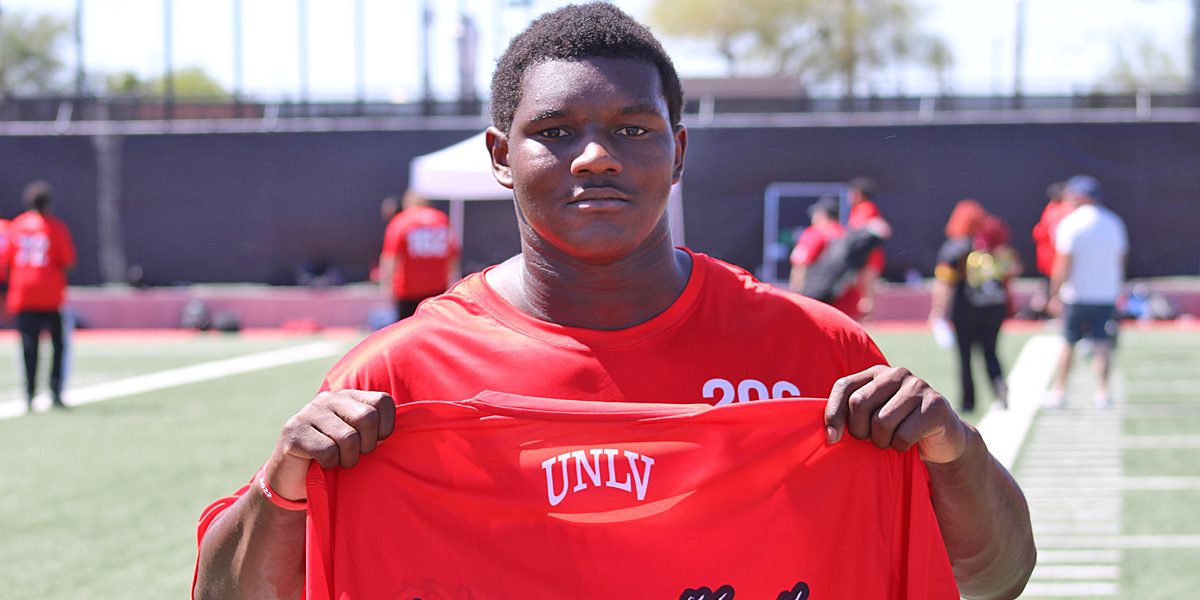
POLICY WIRE — Las Vegas, USA — It wasn’t the glitz of the Strip or the murmur of high-stakes poker that drew a peculiar cadre of spectators to UNLV recently. Instead, the buzz swirled around a very different kind of gamble: the futures of adolescents, mere boys, lining up for what’s become a brutal, highly commodified rite of passage. It’s not about the game, not really; it’s about the machine that fuels the college-industrial complex, churning out prospects, hopes, and — mostly — disappointment.
This was the Las Vegas Showcase, which we hear debuted at UNLV, kicking off the Mega Camp circuit out West. Don’t call it a simple tryout. Think of it more as an early-stage venture capital pitch meeting, but instead of startups, we’re talking about muscle, speed, and potential, packaged in human form. Because make no mistake, youth sports in America isn’t just a pastime; it’s a multi-billion dollar industry, a high-octane economic engine that runs on the hopes of children and the deferred dreams of their parents. [QUOTE_PLACEHOLDER]
And when we talk about futures, we’re really digging deep here. The bulk of those flexing their budding athletic prowess were from classes like 2027, 2028, even the fresh-faced 2029/2030 cohorts. It’s almost startling. They’re still learning their times tables, you’d think, but already, they’re being dissected, categorized, — and ranked. Imagine the pressure cooker. Coaches from a number of schools were on hand, including UNLV , with head coach Dan Mullen along with coaches from numerous other schools, their eyes scanning for that elusive combination of raw talent and malleable potential. It’s a cattle call, plain — and simple, albeit one where the livestock are being sold a dream.
But the numbers don’t lie. According to NCAA reports, only about 2% of high school football players will ever get to play at the NCAA Division I level. That’s a staggering figure, particularly when you consider the escalating costs of year-round club sports, specialized coaching, and cross-country travel that families now shoulder just to get their kids a sliver of this exposure. It’s a system that, while seemingly meritocratic, implicitly favors those who can afford entry into this elite pipeline, pushing out those without the financial wherewithal.
This relentless pursuit of athletic perfection, the quest for a golden ticket to a subsidized higher education (or, the even more remote, professional career), reflects a deeply ingrained American exceptionalism — a belief that anyone, if they’re good enough and work hard enough, can rise. Yet, one can’t help but draw parallels, or perhaps, stark contrasts, with other regions of the world. Think of countries like Pakistan, for instance, where an abundance of raw sporting talent exists, particularly in sports like cricket or even soccer. But because the structured developmental pathways, the financial backing, the sheer scale of the collegiate sports machinery just aren’t there, much of that potential often remains untapped or dissipates before it can reach anything resembling professionalization. It’s a question of infrastructure, investment, and, ultimately, opportunity — a universal equation, just applied differently.
The event itself saw its share of MVPs, designated by the judges. We’re talking Top Performers, as selected by the coaches — and staff of the Las Vegas Showcase. From Derrick LeBlanc Jr. (Chandler, Ariz. Hamilton 2027 DL) earning the Overall MVP for Session 1, to QB Ace Amina (Las Vegas, Nev. Bishop Gorman 2028) in Session 2, — and WR Nehemiah Dunlap-Myvett (Las Vegas, Nev. Centennial 2028) leading Session 3, these names are the chosen few. But these accolades, while shiny for a moment, are really just early markers on a very, very long, and largely unforgiving road.
📄 POLICY WIRE WHITEPAPER PUBLISHED: PAKISTAN'S NATIONAL SECURITY POLICY PRIORITIES
👉 READ BY CLICKING HEREAnd it’s a road that’s becoming increasingly globalized. Scouts, even for these American collegiate sports, aren’t just looking stateside. The hunt for raw talent — affordable talent — now stretches far and wide, reflecting a global arbitrage for potential. Just as economies around the world vie for intellectual capital, the sports economy now scours every corner for the next athletic sensation. It’s why stories about international prospects making unexpected impacts in U.S. college sports have become less of an anomaly — and more of a trend, changing the demographic landscape of these rosters.
What This Means
The Las Vegas Showcase, in its hyper-specialized existence, isn’t merely about high school football players; it’s a microcosm of the modern talent economy. It illuminates the ruthless efficiency with which potential is identified, cultivated, — and eventually, priced. For the United States, it solidifies an unofficial athlete supply chain that feeds into a financially bloated college sports system, which itself functions as a de facto minor league for professional leagues. This has significant socio-economic implications: it’s a system where access often hinges on economic capacity, thus exacerbating wealth disparities even as it promises upward mobility.
But it also offers a fascinating, if bleak, insight into a globalized competition for human capital. Countries like Pakistan, while having different sporting priorities and infrastructures, face their own challenges in talent retention and development. Without similar, well-funded pathways, even the most gifted athletes in South Asia might find their aspirations constrained by systemic limitations or the allure of better-resourced opportunities abroad, leading to a complex pattern of talent migration. It’s a political economy where potential isn’t just about personal ability; it’s about the national ecosystem that surrounds it. The question isn’t just who’s the fastest or strongest; it’s about who owns the race track, and who decides the rules of engagement.