


Summer Sun, Empty Tables: The American Food Safety Net’s Fraying Edges
POLICY WIRE — ALBUQUERQUE, N.M. — It’s summer, and the usual soundtrack of childhood freedom should echo through the streets: ice cream truck jingles, the slap of flip-flops on hot pavement. Instead,...

POLICY WIRE — ALBUQUERQUE, N.M. — It’s summer, and the usual soundtrack of childhood freedom should echo through the streets: ice cream truck jingles, the slap of flip-flops on hot pavement. Instead, for too many families across this nation, these warmer months herald a silent, gnawing dread. When school cafeteria doors clang shut for the academic year, so too does a primary source of consistent, nutritious meals for millions of kids. And that’s where community-level initiatives—Band-Aids on deeper societal wounds, if you will—step into the breach.
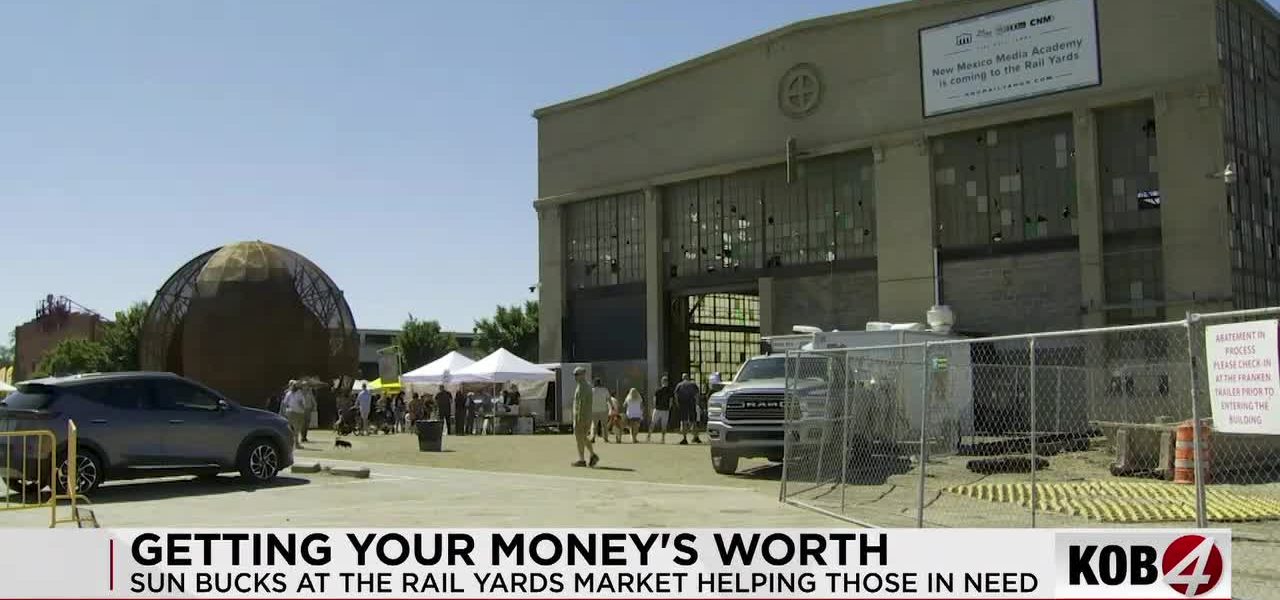
Down in Albuquerque, New Mexico, the Rail Yards Market becomes an unexpected arena for this quiet battle against hunger. It’s not just a quaint weekend outing; it’s a frontline. Here, under the glare of the New Mexico sun, federal programs like Sun Bucks—the renamed Summer EBT initiative—converge with local generosity to stem the tide of what, by any sober assessment, is a national crisis of access. What you see is families leveraging these benefits, and receiving an additional $3 in produce vouchers for every $1 of SNAP benefits they spend. Sounds good, doesn’t it?
But the necessity of such programs paints a stark picture. It implies an economy that’s simply not working for everyone. Families shouldn’t be this close to the brink. They’re facing grocery bills that feel like monthly extortion, prices for everyday staples inching ever higher, steadily squeezing budgets already threadbare. Because wages, for most folks, haven’t exactly kept pace with this relentless climb. “Yeah, everything is just a lot more expensive right now. I am really grateful that we do have these incentives to help people in time of need, too,” a market participant, Casey O’Keefe, observes with a candidness that cuts through any feel-good rhetoric.
It’s a localized response to a global challenge, isn’t it? This struggle with food insecurity, exacerbated by economic shifts and climatic uncertainty, isn’t some abstract concern confined to the American Southwest. It mirrors realities felt across continents, even stretching to nations like Pakistan, where volatile food prices and the disruptions of climate change frequently plunge vulnerable communities into profound scarcity. There, the fight often centers around ensuring basic grain availability amidst floods or droughts; here, it’s about providing children with the fresh produce they need to simply stay healthy. The mechanisms might differ, but the human cost—the worry etched on a parent’s face—is tragically universal. We’re talking about the indignity of hunger, regardless of latitude.
These market leaders, like O’Keefe, aren’t just facilitating transactions; they’re trying to catch people before they fall completely. They explain the limited-time incentive taps into previously unused grant money, channeled through the New Mexico Farmers Market Association. It’s essentially stop-gap funding—a fiscal balm, not a systemic cure. And let’s not forget the farmers. Victoria Montoya, a fourth-generation orchard grower, recognizes this dual benefit. She articulated it clearly: [QUOTE_PLACEHOLDER] Then, without a beat, she drives home the grim reality: “So many children are food insecure, and so that helps them to be able to come and get food that they wouldn’t usually get.”
📄 POLICY WIRE WHITEPAPER PUBLISHED: PAKISTAN'S NATIONAL SECURITY POLICY PRIORITIES
👉 READ BY CLICKING HEREThe operative phrase there, if you were paying attention, is wouldn’t usually get. Because these foods—the vibrant greens, the ripe tomatoes, the juicy peaches—they aren’t luxuries. They’re foundational. Without programs like Triple SNAP, which only runs until August 31 or [QUOTE_PLACEHOLDER] this access simply evaporates. According to the USDA’s Economic Research Service, approximately 12.8 percent of U.S. households experienced food insecurity at some point in 2022. It’s a number that doesn’t shout, but it certainly screams silently of deprivation for millions. And when government programs need to step in to subsidize access to basic nutrition for farmers and families in tandem, you know we’re sailing in rough waters. We aren’t building a resilient society here; we’re just about keeping the boat afloat with duct tape — and prayers.
These initiatives are necessary, absolutely. But they aren’t victories; they’re acknowledgements of deep, persistent failings. We need to look at why these programs are needed at all, not just celebrate their temporary success. Check out how global systems influence local economies, like the broader economic strain seen in Europe’s football loan market—it’s all connected.
What This Means
The summer food assistance programs operating out of the Rail Yards Market are more than just charitable endeavors; they represent a tacit admission of economic fragility. On one hand, they exemplify effective, targeted intervention at the local level, providing direct relief and boosting local agricultural economies. They’re good PR for everyone involved, too, let’s be frank. But on the other, they highlight a persistent political failure to create an economic environment where such fundamental support isn’t routinely required. This isn’t just about New Mexico; it’s a microcosm of a larger, systemic challenge. It signals that minimum wage rates and employment opportunities aren’t keeping pace with the cost of living, forcing families into a continuous scramble for essentials. The fact that unused grant money has to be mobilized for such a basic need—feeding children—raises serious questions about resource allocation priorities at federal and state levels. Are we funding long-term solutions, or simply managing crises as they emerge? It seems we’re more comfortable treating symptoms than diagnosing the underlying malady, which, by all accounts, appears to be an economic system that’s systematically undercutting large segments of the population. We shouldn’t rely on the whims of available grant money to put food on the table; this needs to be a core function of a just society.