


The Weight of Expectation: Greg Hardy’s Brutal Landing in the Cage, Another Chapter Closes
POLICY WIRE — Sarajevo, Bosnia and Herzegovina — For those accustomed to the dazzling spectacle of professional athletes orchestrating unlikely second acts, the recent performance of Greg...

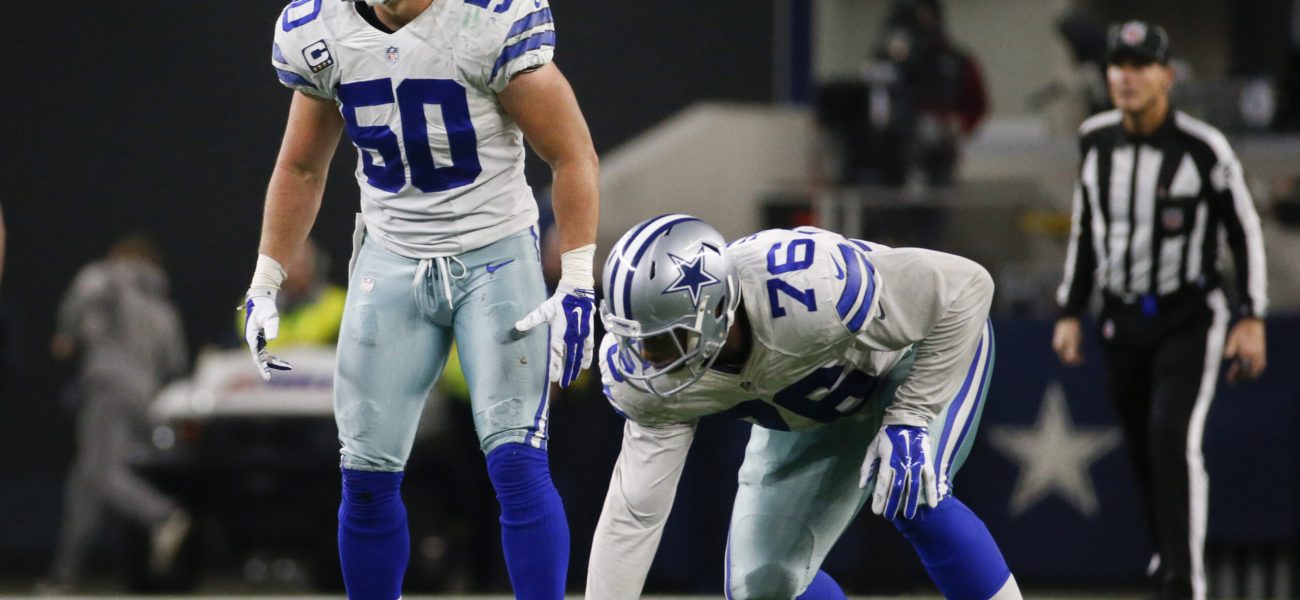
POLICY WIRE — Sarajevo, Bosnia and Herzegovina — For those accustomed to the dazzling spectacle of professional athletes orchestrating unlikely second acts, the recent performance of Greg Hardy in a bare-knuckle cage fight was less a rebirth and more an autopsy of lingering hopes. The former Dallas Cowboys defensive end—a man whose name once conjured visions of quarterback-sacking fury—hit the canvas again, a brutal knockout silencing not just the Bosnian crowd, but perhaps the last whispers of his combat sports aspirations. This wasn’t merely a fight; it was a coda.
It’s always a tricky business, this whole ‘sports redemption’ narrative, isn’t it? Especially when your first act ended with the clang of domestic violence allegations and an abrupt departure from the NFL, despite once racking up an impressive 15 sacks in the 2013 season for the Carolina Panthers. You’d think the controlled chaos of the MMA octagon might offer a clearer path to recalibrate public perception. For Hardy, it started that way, sort of. He managed some wins, kept the lights on, so to speak.
But the most recent outing at Fight Nation Championship 31 against Darko Stosic? That just shredded the script. Hardy reportedly entered the bout carrying an astonishing 52-pound advantage over his opponent. Fifty-two pounds! And he’d still managed to miss the contracted weight by a considerable margin. Imagine that: a fighter practically demanding a physical mismatch, and then failing to even meet the basic contractual obligation. You can’t just wish away physics, folks. It’s a fundamental part of the game.
“You watch these guys, these crossovers from other sports, and there’s a certain expectation,” offered renowned fight promoter Dana White, a man who’s seen his share of spectacular crashes and burns. “But when you can’t even make weight for a main event, what’s left? That’s not heart; that’s just… a lack of discipline. We’ve got millions of fans, especially in developing markets like Pakistan and parts of the Middle East, tuning in because they crave authentic competition. This wasn’t that.” White, as is his wont, didn’t pull punches.
But the bell rang anyway. And after some tentative back-and-forth, Stosic found his rhythm. In the third round, a left hook from Stosic rearranged Hardy’s equilibrium, sending him backward in a wobbly retreat. Moments later, a looping overhand shot, a punch Hardy simply never saw coming, landed flush. Down he went. Then a final, concussive follow-up, sealing the deal — and bringing the referee in to stop the fight. It was definitive. It was brutal. And it left no room for doubt.
Hardy’s MMA career, which once flickered with promise—and the occasional headline for the sheer audacity of his transition—has been steadily dimming. This latest defeat marks his fourth loss in his last five fights. And it puts a rather grim punctuation mark on what many observers believed was a final, desperate gamble for athletic relevance. Because once you’re missing weight by a ridiculous margin, then getting face-planted, the narrative starts writing itself.
📄 POLICY WIRE WHITEPAPER PUBLISHED: PAKISTAN'S NATIONAL SECURITY POLICY PRIORITIES
👉 READ BY CLICKING HERE“Greg’s athletic gifts were undeniable, a force on the field that few could contend with,” reminisced an anonymous NFL executive, once involved in high-stakes player contracts, speaking off the record. “But somewhere along the line, the focus, the accountability—it slipped. It’s a sad thing to see that pattern repeat, especially when you consider the stakes aren’t just a game, but a man’s livelihood and his public legacy. You want to see people turn it around, you really do. But it takes more than just showing up.”
Indeed. From dominating quarterbacks with brute force to being on the receiving end of a knockout blow in an international fight circuit, Hardy’s career trajectory offers a bleak lesson. The fickle nature of fandom, it seems, isn’t limited to a child running onto a baseball field. It extends to the willingness of the public, — and frankly, the market, to forgive and forget. And that goodwill, for Hardy, appears to have evaporated like sweat on a hot gym mat.
What This Means
This isn’t just about a washed-up athlete taking a beating. It underscores a larger societal dynamic surrounding celebrity — and rehabilitation. Economically, Hardy’s initial foray into MMA was fueled by the ‘name recognition’ factor, a potent but ultimately finite currency. His early fights drew eyeballs and some substantial purses, a testament to the enduring human fascination with second chances, no matter how contentious the first act was. But continuous failures, especially those linked to questionable professionalism like egregious weight misses, quickly erode that commercial value.
The global fight economy, from Vegas to the nascent but eager markets in South Asia, operates on a promise of elite performance and authentic competition. When that promise is broken, promoters — and sponsors quickly pivot. From a political sociology standpoint, Hardy’s narrative reflects the West’s complex, often hypocritical, relationship with redemption. We preach forgiveness, yet scrutinize failure relentlessly, particularly for men linked to domestic issues. It’s a paradox: society offers a path, but demands absolute perfection on that path, often setting a bar impossibly high given the underlying issues that led to the initial downfall. And this story? It’s just another stark reminder of that very human, very public tightrope walk.