


Beyond Lantern Glow: Hoi An’s Art Market Flexes Unseen Muscle Amidst Global Currents
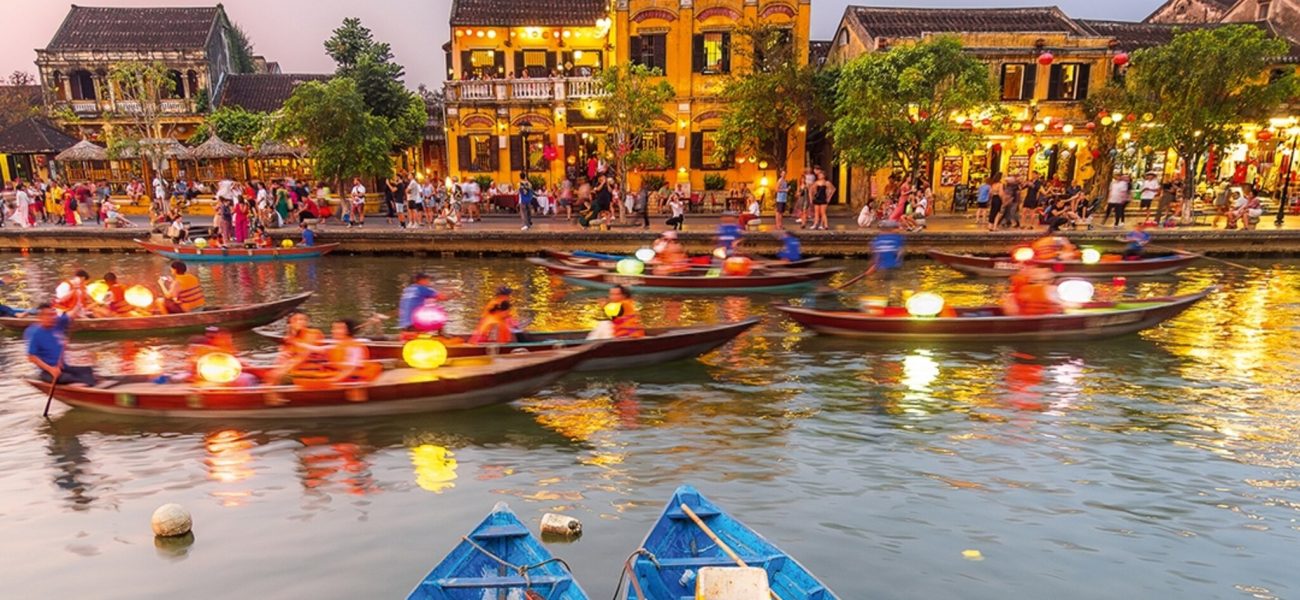
POLICY WIRE — Hoi An, Vietnam — This ancient town, famous worldwide for its mesmerizing silk lanterns and historic canals, isn’t just a postcard anymore. Something quietly transformative is...

POLICY WIRE — Hoi An, Vietnam — This ancient town, famous worldwide for its mesmerizing silk lanterns and historic canals, isn’t just a postcard anymore. Something quietly transformative is bubbling beneath its tranquil surface. It’s not the relentless churn of tourist buses or the familiar scent of pho — it’s the subtle, yet potent, re-tooling of its economic engine by its own hands, or more accurately, its own artists.
For decades, Hoi An has ridden the wave of its UNESCO World Heritage status, a jewel of Southeast Asian charm that beckons travelers. But what happens when the picture-perfect façade begins to crack under the weight of commercialism? Local artisans, often descendants of craftspeople stretching back generations, have begun a fight not just for their livelihoods, but for their very cultural identity. It’s an interesting predicament, seeing age-old traditions confronting Instagram feeds. They’re finding savvy new ways to sell their craft, not just as souvenirs, but as pieces of living heritage. And they’re good at it, too. This isn’t merely about churning out another tourist trinket; it’s about making a defiant, artful statement. [QUOTE_PLACEHOLDER]
Consider Nguyen Thi Thu Huong, a textile artist whose nimble fingers dance with dyes and threads, echoing centuries of technique. She observed, It’s challenging to preserve traditional methods while also innovating for a global market. A real balancing act, if you think about it. It isn’t easy trying to hold onto the old ways when everyone wants something new, faster, cheaper. But tourists, the ones with wallets — and a thirst for something genuine, are apparently getting smarter. They’re increasingly seeking authentic experiences, she noted, rather than just souvenirs. This shift in traveler demand acts like an unexpected ally for the artists, creating a market for authenticity that mass production can’t quite mimic. But it also creates tension— authenticity itself becomes a commodity, doesn’t it?
Vietnam’s government, for its part, isn’t oblivious to this dynamic. They’re not just letting the market decide. Keen to boost sustainable tourism, Hanoi has rolled out initiatives aiming to shore up these burgeoning creative enterprises. This isn’t charity; it’s smart economic policy. And it seems to be working, at least on paper. A recent report by the Vietnamese Ministry of Culture, Sports, and Tourism, for example, indicated a 15% increase in direct artisan sales within Hoi An’s Old Town districts over the past two years, significantly outpacing general retail growth. That’s real money flowing directly to the creators, not just filtering through layers of intermediaries. It’s a testament to raw talent, but also smart policy nudges.
This isn’t just about economic survival, of course. It’s deeply entwined with cultural continuity. These creators, who span the gamut from meticulous traditional woodcarvers to edgy modern graphic designers, are [reimagining Hoi An’s identity.] They’re giving it a contemporary voice while maintaining historical resonance. And that’s a tough line to walk, a tightrope across time itself. This kind of grassroots artistic movement holds a mirror up to the broader challenges faced by artisan communities across Asia. You see similar struggles, and triumphs, in places like Lahore’s Walled City or even Rajasthan, where generations of craftsmen navigate the perilous currents between preserving heritage and chasing market viability.
Some international investors have even started circling, eyeing these unique, culturally rich ventures for collaborations. Money talks, — and when it talks about tradition, things get interesting. But the ever-present dilemma persists: the delicate balance between commercial viability and maintaining cultural integrity remains a constant struggle for many. How much commercialization can a tradition endure before it simply becomes a performance for paying audiences? That’s the billion-dollar question.
📄 POLICY WIRE WHITEPAPER PUBLISHED: PAKISTAN'S NATIONAL SECURITY POLICY PRIORITIES
👉 READ BY CLICKING HEREThis evolving narrative in Hoi An serves as a microcosmic study in how globalization affects — and is affected by — local creative economies. It’s a complex, sometimes messy, relationship. And it goes beyond tourism figures; it delves into the soul of a place, doesn’t it? As nations grapple with preserving their unique identities in an increasingly homogenized world, the quiet revolution in Hoi An offers lessons in resilience, adaptability, and the enduring power of human artistry.
What This Means
Hoi An’s pivot towards a vibrant, yet deeply rooted, creative economy isn’t merely a quaint local success story; it’s a template, maybe even a warning, for other heritage sites worldwide. Politically, it signals a deeper understanding by the Vietnamese government that genuine cultural preservation can be an economic asset, not a burden. It’s an example of soft power, too, exporting an authentic narrative of Vietnam beyond war or communism. Economically, this model generates direct wealth within communities, fostering sustainable growth that’s far more resilient than fleeting trends in mass tourism. For emerging economies in the broader South Asian and Muslim world – from the intricate textiles of Uzbekistan to the pottery of Multan – Hoi An offers a blueprint: cultural identity isn’t a museum piece; it’s a living, breathing, and crucially, financially viable entity.
It means states must move beyond simply branding historical sites — and invest directly in the artisans themselves. Their hands are literally crafting a nation’s future, one careful stroke at a time. The implication is clear: a true national brand isn’t forged in corporate boardrooms, but in the workshops where tradition meets tomorrow. The economic value isn’t just in the final product; it’s in the preservation of the intangible knowledge and skills passed down. You’re not just buying a lantern; you’re buying a piece of centuries, a piece of someone’s soul, too. But the fight to protect this isn’t over; every success raises the stakes, attracting more commercial interest, threatening the very authenticity it seeks to protect. It’s a tricky game. Perhaps other nations, observing the way cultural narratives like the IPL intertwine with national identity, could learn a thing or two about packaging history with contemporary appeal without gutting its core essence. It requires constant vigilance, — and often, an unsentimental view of heritage as a commodity, albeit a sacred one.