


The Golden Bear Trap: High-Stakes Recruiting and the Anatomy of a Decision
POLICY WIRE — Berkeley, USA — College commitments often play out like elaborate courtships, meticulously choreographed, laden with whispered promises and sudden turns. So it went for Elyjah Staples,...

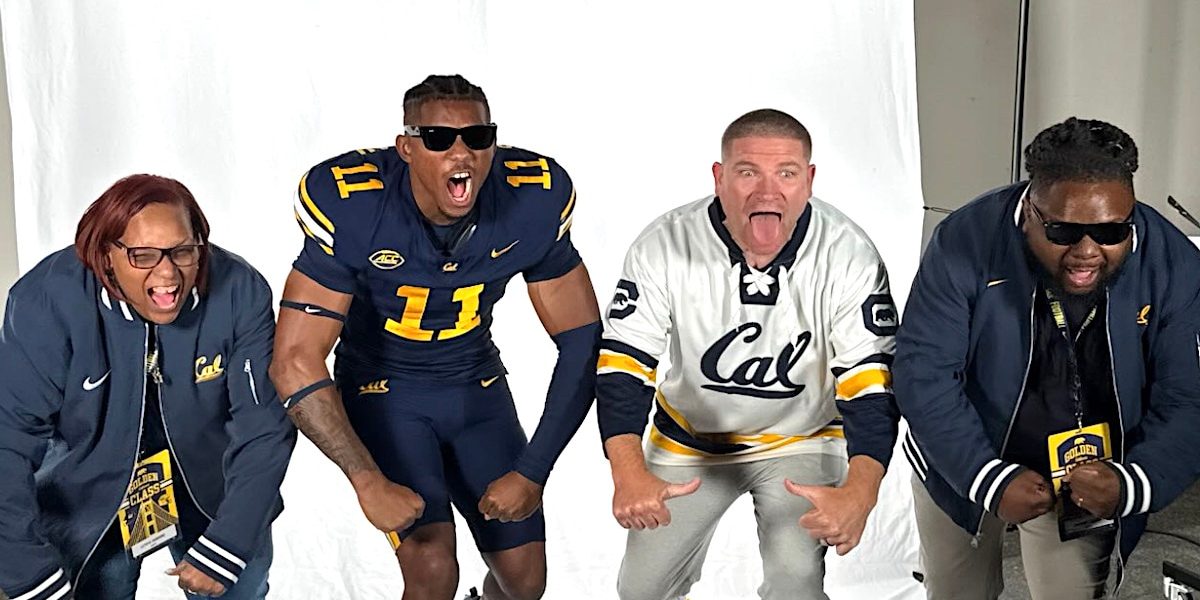
POLICY WIRE — Berkeley, USA — College commitments often play out like elaborate courtships, meticulously choreographed, laden with whispered promises and sudden turns. So it went for Elyjah Staples, a four-star athlete out of Los Angeles (Calif.) Marquez, whose highly anticipated declaration landed not where many had expected. He’d seemed a shoe-in for BYU just weeks prior. Yet, when the moment arrived, it was the University of California, Berkeley—Cal—that ultimately secured his pledge. The script flips, as it often does in these dramas.
It’s not just a handshake — and a future scholarship, not really. This is a cold, calculated chess match involving immense budgets, brand power, and the deeply personal aspirations of a young man on the cusp of an adult career. Staples, an athlete described as versatile with a strong multi-sport background (a League Player of the Year in both football and basketball, also running track and playing volleyball)—he isn’t just picking a school. He’s choosing an entry point into a multi-billion-dollar enterprise. But don’t mistake that for simple cynicism, because for him, the choice felt organic. He actually committed during dinner, he said, with the simple explanation, [QUOTE_PLACEHOLDER] It just felt right. He added, I love everything about Cal — and it’s the best all around fit for me. A gut call, perhaps, disguised as a calculated maneuver.
For weeks, most pundits—and likely, even Staples himself—pegged Brigham Young University as the frontrunner. And it makes you wonder: what makes a prospect, once so enamored with one path, suddenly pivot? Cal, it seems, simply out-campaigned them. They really pushed hard — and then on this visit, it felt like home, Staples revealed. This isn’t merely about athletic potential; it’s about a university’s sales operation, its ability to craft an irresistible narrative around location, academics, and personnel. The influence of individuals, too, remains potent. Tosh Lupoi is the man, I can’t wait to play for him, Staples affirmed, signaling the direct impact a coach can have.
Berkeley’s lure isn’t solely tied to its athletic prowess, naturally. It also pulls in bright, hungry minds globally. And there’s an unspoken appeal for a burgeoning academic-athlete; a place where the gridiron grind ostensibly harmonizes with intellectual pursuits. He cited the campus — and city as significant factors. The campus is great, I loved the city of Berkeley and it’s a great academic fit as well so it really had everything I was looking for. This blend of brawn and brains—it’s what elite institutions offer, a competitive advantage few smaller programs can replicate. Think of the intellectual gravitas—the University of Punjab or Karachi University can attract students on academic merit, but combining that with a top-tier sporting program is a different beast entirely. It’s an American phenomenon, truly.
Staples sees himself as an outside linebacker, envisioning himself as someone who can play in space and rush the passer. And his perception is rooted in more than just instinct. They see me as outside linebacker who can play in space — and rush the passer, he stated. I see a lot of opportunity there — and like I said, I’m just really excited to be a Bear. It implies clarity of purpose, a well-defined role rather than a vague promise. The coaching staff also evidently made a strong impression. Cal has a great defensive staff, Staples elaborated. Tosh is a defensive minded head coach and and their whole defensive staff has a lot of great coaches with NFL experience. That NFL experience? That’s golden for these young men, a direct line to the next level.
This whole recruiting carnival isn’t unique to American shores. Youth athletics and aspirations of glory — they resonate worldwide. From aspiring cricketers in Karachi to hopeful footballers in Rawalpindi, the dreams of professional sport echo with similar intensity. The competition for spots, for opportunities to turn talent into a livelihood, it’s fierce. This kind of personal endorsement and sense of fit, that emotional connection, often trumps statistical analysis—or even proximity to family. It’s a sentiment well understood in places like Pakistan, where securing a coveted spot in a national sports program or an elite military academy can redefine a family’s fortunes. These decisions are not just personal; they carry generational weight.
📄 POLICY WIRE WHITEPAPER PUBLISHED: PAKISTAN'S NATIONAL SECURITY POLICY PRIORITIES
👉 READ BY CLICKING HEREStaples is highly regarded, listed as the No. 353 player nationally in the Rivals Industry Ranking, an equally weighted average that utilizes all three major recruiting services. That’s a measurable, undeniable fact. It puts a price tag, if you will, on his potential. But that numerical rank doesn’t capture the hours of training, the sacrifices, or the subtle dance between recruiter and recruit. It simply quantifies the talent pool he emerged from.
And so, Cal secures another piece in its ongoing rebuild. I love the direction the program is going in right now and you can tell Cal is building something special, Staples observed. His excitement is palpable. They’ve managed to turn the tide, steering a prospect away from an institution with its own unique allure, and into the fray of Pac-12 (soon to be ACC) football. It’s a testament not just to their athletic programs, but their ability to sell a vision—an entire lifestyle, really—to these young athletes. That’s a policy decision in itself.
What This Means
The recruitment of athletes like Elyjah Staples highlights more than just collegiate sporting aspirations; it’s a micro-economy within the broader educational industrial complex. Universities are no longer just academic centers; they’re brand juggernauts, operating massive athletic departments with intricate scouting networks and marketing strategies. For Cal, securing a four-star commitment is a policy success. It signals momentum, enhances recruiting cycles, and can directly impact future revenue streams from television deals, ticket sales, and donor contributions. A winning football program at a public university isn’t just about pride; it’s about significant economic infusion for the institution and the surrounding city of Berkeley. It impacts local businesses—restaurants, hotels, retail—and creates jobs.
Politically, such wins also bolster institutional standing within the state. A successful Cal team brings positive press, community engagement, and even legislative goodwill in Sacramento, translating into broader support for university initiatives. For young athletes, it represents a potentially life-altering opportunity, a path to higher education that might otherwise be financially inaccessible, alongside a shot at professional sports. This delicate balance of educational mission — and commercial enterprise continually generates debate. Consider the discussions around NIL (Name, Image, Likeness) — the market dynamics that allow student-athletes to profit have effectively created an internal quasi-professional league. This mirrors, in a very distinct way, the fierce competition for talent and resources in global professional sports markets. Just as in India’s highly competitive cricket system, where securing a spot often demands brutal arithmetic from even top players, American collegiate recruitment reflects the harsh realities of high-stakes sports careers.