


Venice’s Rosy Paradox: Pink Flamingos Flourish, Masking Deeper Lagoon Realities
POLICY WIRE — Venice, Italy — Anyone betting on a perpetually quiet, unmolested Venice, post-pandemic, probably lost their shirt. Remember all that romantic talk about dolphins returning to the...

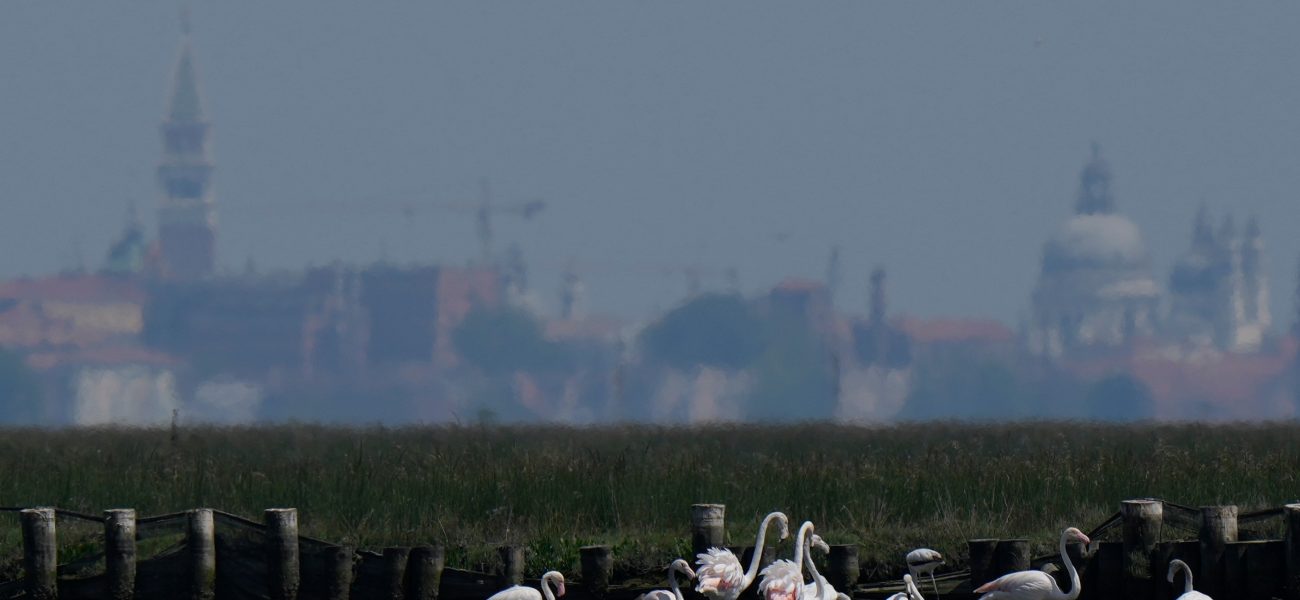
POLICY WIRE — Venice, Italy — Anyone betting on a perpetually quiet, unmolested Venice, post-pandemic, probably lost their shirt. Remember all that romantic talk about dolphins returning to the canals? Well, the reality hit fast. But something else, far less cliché, actually did come back with a vengeance: flamingos. Pink, awkward, utterly fabulous, they’re painting the lagoon’s recovering salt marshes in hues tourists hadn’t seen en masse in ages. It’s a postcard, alright—but for some, it’s also a strange kind of ecological theatre.
It’s not just a few birds, mind you. We’re talking about numbers that would make even the most jaded conservationist—and this job tends to breed plenty—raise an eyebrow. These weren’t supposed to be Venice’s defining avian species, not like the ubiquitous pigeons. Yet, there they’re, wading through the shallows, their reflections rippling on waters once choked with a different sort of traffic. And it begs a sharper question: Is this sudden blush of biodiversity a genuine win, or just a stunningly convenient distraction from the complex, often messy truths of urban ecological policy?
Because let’s be honest, Italy isn’t exactly the global gold standard for sustained environmental stewardship. We’ve seen cycles of promise and peril. This isn’t a narrative of long-term, painful governmental intervention suddenly bearing fruit. It’s more of a spontaneous explosion of life seizing an opportunity, an environmental loophole exploited by nature when human activity (briefly) stumbled. The whispers from those who track such things suggest a rather simpler explanation: less noise, less traffic, and, dare I say, slightly less pollution during the lockdowns created a temporary haven. It gave these magnificent creatures an unearned head start.
But the true test? That comes when the human hordes—the real invasive species—return in full force, clamoring for those iconic gondola rides and Aperol spritzes. The wetlands they’re calling home, particularly the northern parts of the lagoon, have indeed seen some reclamation efforts. However, those projects are often reactive, a patchwork, rather than a holistic strategy to address deep-seated issues like erosion, unsustainable fishing, or the constant threat of mass tourism itself. One seasoned observer, not afraid to speak truth to romanticism, suggested the flamingos are simply opportunistic, finding niches where we haven’t completely screwed things up yet, or rather, where our screwing up took a brief, forced hiatus. [QUOTE_PLACEHOLDER]
Globally, it’s not a pretty picture. The world has lost 35% of its wetlands since 1970, according to data compiled by the Ramsar Convention. So, Venice’s isolated success, however aesthetically pleasing, doesn’t negate a planet-wide decline. Contrast that with, say, the struggle for conservation in places like the Indus Delta. There, managing wetlands and protecting migratory birds involves not just ecological concerns, but poverty, conflicting agricultural demands, and geopolitical tensions. Flamingos migrate, after all, and the ones frolicking in the Venetian lagoon might have ancestors, or even cousins, that faced very different odds along their migratory routes, perhaps near Pakistan’s coast, or the Rann of Kutch. The fragility is often less about natural predator-prey dynamics — and more about sheer human pressure. Their populations rise and fall with far more violent amplitude, mirroring political instability and development priorities rather than just benign environmental recovery efforts.
📄 POLICY WIRE WHITEPAPER PUBLISHED: PAKISTAN'S NATIONAL SECURITY POLICY PRIORITIES
👉 READ BY CLICKING HEREAnd so, while Venice offers a momentarily heartening scene, it’s a spectacle we shouldn’t confuse with lasting triumph. It’s a reprieve, a photographic moment, rather than the green light for sustainable tourism models or truly transformative environmental policy. You see ’em now; let’s see ’em stick around when the city’s trying to cram every last euro out of its canals again.
What This Means
This pink invasion isn’t just about pretty birds; it’s a telling, perhaps inconvenient, political and economic barometer for Venice. The resurgence hints at the immense, almost instant, regenerative capacity of nature when anthropogenic pressures are even briefly eased. From a policy standpoint, it throws down a challenge: Can Venice capitalize on this accidental ecological win to implement genuine, long-term sustainable tourism strategies, or will it revert to business-as-usual? We’ve seen these narratives before; short-term gains often get squandered when the hard decisions come into play. For the economy, a truly ‘greener’ Venice might attract a different demographic, perhaps one less keen on flash-mob tourism and more on eco-tourism. But that requires serious political will—tough choices on cruise ships, visitor numbers, and canal dredging that successive administrations have, let’s be honest, consistently struggled to make. It’s easy to enjoy the flamingos, but harder to tackle the policy that might make their presence permanent. Don’t mistake a momentary ecological rebound for an actual victory against environmental entropy; it’s merely a very pretty signpost, indicating a path not often taken.