


The Imperial Gauntlet: Shubman Gill’s Uneasy Crown in India’s T20 Arena
POLICY WIRE — Mumbai, India — The unforgiving glare of the world’s most populous democracy falls heavily upon its cricketers, turning every flick of the wrist and every boundary-line fumble into a...

POLICY WIRE — Mumbai, India — The unforgiving glare of the world’s most populous democracy falls heavily upon its cricketers, turning every flick of the wrist and every boundary-line fumble into a national referendum. There’s no soft landing in this arena; the public doesn’t tolerate mere excellence, they demand supremacy. And when a talent as prodigious as Shubman Gill finds himself in this high-stakes contest—even as captain of his IPL side—the chatter around his T20 international prospects becomes less about sport and more a dissection of national strategy, a grand geopolitical allegory played out on 22 yards.
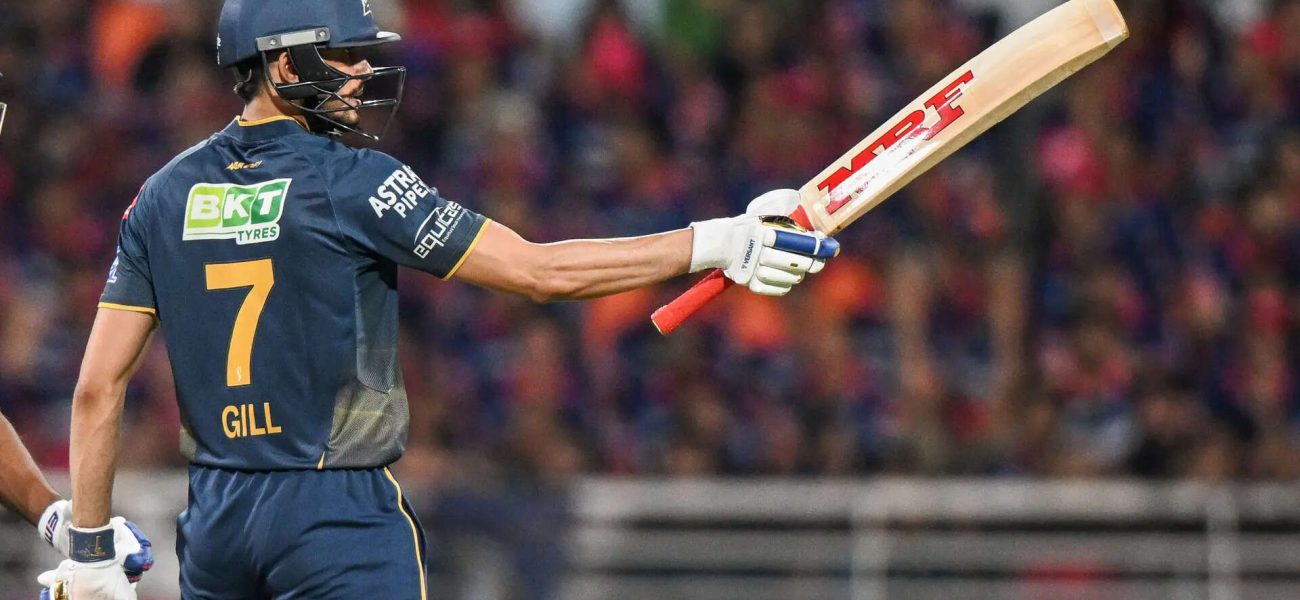
It’s a peculiar dance, this, between dazzling individual performance — and the labyrinthine logic of national selection. Gill, all of 26 — and already leading India in Tests and One Day Internationals, shouldn’t have to wonder about T20. But he does. He hasn’t suited up for the shortest format for India since December 2025, after a patch of struggle that felt amplified by the ceaseless hunger for immediate returns. But things shift, don’t they?
Because now, after scorching the Indian Premier League with a batting display that would make lesser mortals weep, Gill’s name is again being whispered, debated, and shouted from the rooftops. He’s piled on 722 runs this IPL season for Gujarat Titans—an average of 48.13 with a blistering strike rate of 163.72, including a hundred that seemed carved from sheer audacity. His form suggests a player reborn, or perhaps just finally unleashed, but the T20 landscape he faces now is a different beast entirely.
“Look, T20 isn’t just about runs; it’s about impact, strike rates in specific situations,” explained Arun Singh Dhumal, a veteran administrator with a sharp eye on selection, reflecting the nuanced approach required by the Board of Control for Cricket in India (BCCI). “We appreciate a player’s all-format game, but the demands here are brutal. Every slot’s a battleground now.” And he’s not wrong; the competition has stiffened considerably.
But Gill, speaking ahead of the IPL 2026 final, remains the picture of composed ambition. “Honestly, I want to keep working on my game. I want to keep getting better as a T20 batsman, as an ODI batsman, as a Test batsman.” There’s a certain stoicism required to thrive under this sort of intense scrutiny, especially when your recent T20 International past—291 runs in 15 matches last year at an average of 24.25—pales in comparison to your current fireworks.
His casual defiance of external pressure isn’t just PR; it’s a necessary survival mechanism. “You know, cricket is such a game that you can never really get perfect, but obviously, you can strive for it, and that’s what I try to do.” That mental fortitude, focusing on preparation over prognosis, might just be his most valuable asset.
The problem, if you want to call it that, is a delightful abundance of riches. Sanju Samson cemented his spot during the T20 World Cup campaign. Abhishek Sharma has emerged as a destructive force. And then there’s Vaibhav Sooryavanshi—a mere 15-year-old—who smacked an incredible 776 runs in this IPL season at a staggering strike rate over 237, a testament to the perilous art of prediction in a sport constantly reinventing itself. The talent pipeline, as analyst Aakash Chopra once put it, isn’t just full; it’s overflowing, challenging the conventional wisdom of selection panels across the cricketing world.
📄 POLICY WIRE WHITEPAPER PUBLISHED: PAKISTAN'S NATIONAL SECURITY POLICY PRIORITIES
👉 READ BY CLICKING HERE“The talent pipeline is absolutely gushing. We’re seeing kids—really just kids—walking in and smashing records,” said former India selector Krishnamachari Srikkanth, a voice known for its directness. “It makes life incredibly tough for established players, no matter how gifted. It’s Darwinian out there; perform, or someone younger, hungrier, is already on your heels.”
And let’s be frank: the stakes couldn’t be higher. The Indian Premier League alone commands an estimated brand value of over $10 billion, according to reports from D&P Advisory, a testament to the nation’s unparalleled devotion. This financial muscle amplifies every success — and every perceived failure. This obsessive fervor isn’t unique to India. Across South Asia—from Lahore to Dhaka—cricket serves as an emotional barometer. The performances of players, particularly opening batsmen like Babar Azam or Mohammad Rizwan in Pakistan, are viewed through the same nationalistic, sometimes even existential, lens. The public’s passion dictates narratives, creates heroes, — and sometimes, cruelly, casts aside yesterday’s champions. It’s a weight players learn to carry, or they break under it.
What This Means
The debate around Shubman Gill isn’t just about his statistics; it’s a microcosm of the intense commercial and nationalistic pressures shaping modern Indian cricket. Economically, a player’s selection can mean huge endorsement deals, bolstering India’s soft power appeal across the globe, especially in burgeoning cricket markets. From a political standpoint, a winning national team often correlates—however tenuously—with national morale and projects a sense of prowess on the international stage. India, through cricket, routinely demonstrates its administrative and financial dominance in the sport, influencing governance bodies like the ICC, a geopolitical play that even other Asian cricketing nations often acknowledge, sometimes begrudgingly.
For Gill, it’s not simply about playing well; it’s about playing with a specific T20 ruthlessness that differentiates him from an ever-growing pool of explosive youngsters. His success in this IPL will keep the conversation buzzing, sure. But the selectors—under pressure themselves—will be weighing whether his sustained Test and ODI excellence translates into the hyper-aggressive, almost improvisational, game T20 now demands. They’re making calls not just for today’s match, but for a nation’s sporting pride, which, in this corner of the world, can feel a lot like everything.