

The Brutal Arithmetic of ‘Mes Que Un Club’: Lewandowski’s Exit and Football’s Hard Currency
POLICY WIRE — Madrid, Spain — The applause for Robert Lewandowski, now a fading echo in Barcelona’s hallowed grounds, rings hollow to anyone looking past the sentimental veil of sport. For a club...

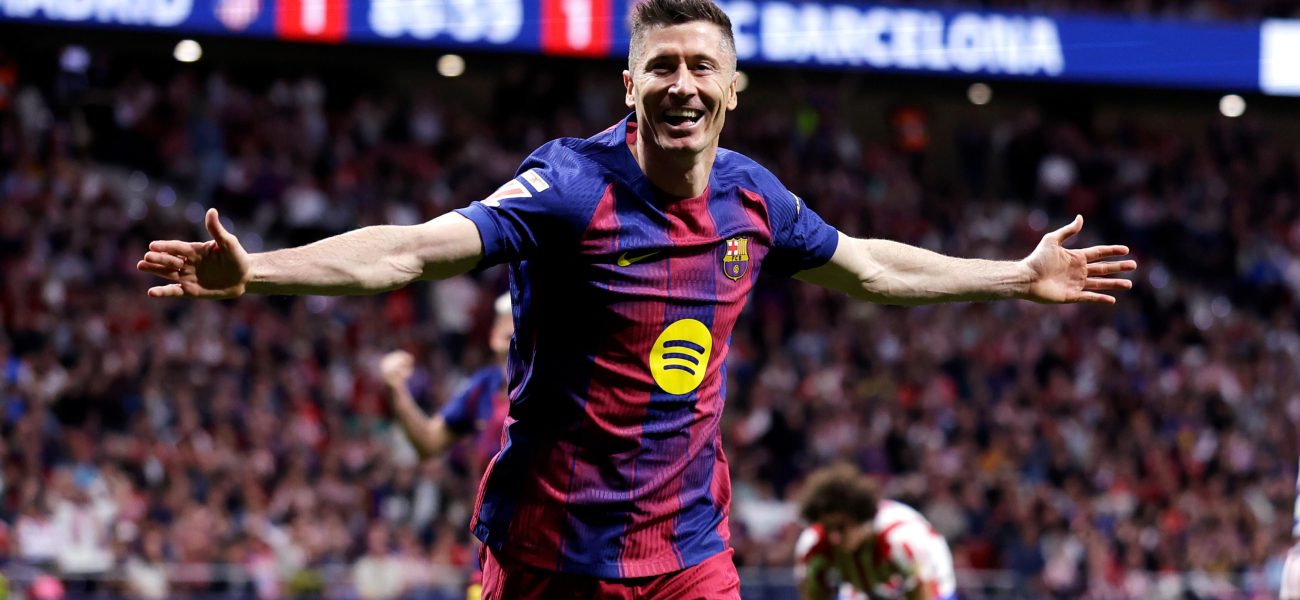
POLICY WIRE — Madrid, Spain — The applause for Robert Lewandowski, now a fading echo in Barcelona’s hallowed grounds, rings hollow to anyone looking past the sentimental veil of sport. For a club that proudly proclaims itself ‘Mes Que Un Club’ (More Than A Club), the recent saga surrounding their departing striker serves as a brutal lesson in modern football’s unsentimental arithmetic. It wasn’t a romantic last dance, you see, but a ledger entry, neatly balanced – or, rather, aggressively managed – amidst existential financial precarity. Because, in the cold, hard glare of Spanish Liga rules and burgeoning debt, even icons are just assets on a balance sheet.
His arrival, two seasons prior, was trumpeted as a coup, a declarative statement of intent from a sleeping giant. The reality? It was less audacious gamble, more desperate heave, funded by an array of ‘economic levers’ – polite euphemisms for selling off chunks of future earnings. Club President Joan Laporta, ever the pragmatist with a showman’s flair, defended these moves as necessary medicine. “We’ve got a mandate to stabilize this institution, and that often means making difficult calls,” Laporta reportedly told an internal strategy meeting last year. “The emotional cost is real, but the alternative is simply unfathomable debt spirals. We can’t allow sentiment to dictate strategy in a €7 billion industry.”
But the numbers don’t lie. Barcelona’s gross debt still hovers stubbornly north of €1 billion, a figure confirmed by multiple financial audits including the 2023 Deloitte Football Money League report. This wasn’t a gentle winding down for Lewandowski; it was a carefully choreographed exit, dictated as much by salary cap pressures and squad rejuvenation strategies as by any natural end to his tenure. They couldn’t afford to keep him, not really. Not with young talent needing space, — and wage bills demanding rationalization.
And what of the faithful, the global legions for whom Barcelona remains an almost spiritual entity? From the rain-slicked streets of London to the sun-baked markets of Lahore, the sea of blue and garnet shirts is testimony to Barcelona’s enduring appeal. That connection, often born from YouTube highlights and late-night streams in Pakistan’s urban centers, feels almost tragically distant from the corporate machinations at play in Catalonia. For those millions, the loss of Lewandowski feels deeply personal. But for the bean counters at Camp Nou, it’s just another variable managed. Isn’t that a marvelously cynical piece of modern sport?
It’s a peculiar dichotomy: the emotional fervor of millions clashing with the cold-blooded necessity of corporate solvency. One can almost picture an elderly shopkeeper in Karachi, clutching his Lewandowski jersey, genuinely lamenting the ‘end of an era,’ utterly divorced from the grim accounting in Barcelona’s boardroom. Such is the reach of Europe’s premier leagues. They project narratives of heroism and belonging, while simultaneously operating like any other multinational corporation, making cut-throat decisions. But sometimes, they simply have no choice.
📄 POLICY WIRE WHITEPAPER PUBLISHED: PAKISTAN'S NATIONAL SECURITY POLICY PRIORITIES
👉 READ BY CLICKING HERE“The days of indefinite loyalty in top-tier football are largely over for all but the rarest talents,” observed Dr. Amina Sharif, a prominent sports economist at the University of Lausanne, commenting on the evolving player market. “Financial Fair Play rules, while flawed, are slowly shifting the power dynamic, forcing clubs to confront realities that state-backed entities like Paris Saint-Germain can often circumvent with greater ease. Lewandowski’s case is hardly unique; it’s a blueprint for managing a transition within constraints.” It’s true. Every decision, every departure, every tear shed by a devoted fan, is simply a line in a comprehensive strategic document aimed at sustaining the brand – not preserving pure sporting romance. But it makes for awfully good theater, doesn’t it?
What This Means
Lewandowski’s carefully managed exit underscores a broader, uncomfortable truth about elite European football: the primacy of economics over sentimentality, particularly for legacy clubs grappling with historic debt. Barcelona’s maneuvers – the audacious ‘levers,’ the high-profile player acquisitions followed by calculated departures – aren’t anomalous. They’re becoming the default strategy for clubs caught between astronomical wage demands, fierce competition from state-backed rivals, and tightening financial regulations. This shift implies a further commodification of players, transforming them from beloved figures into transient assets, whose value is constantly being reassessed against the club’s balance sheet.
This dynamic presents a palpable risk to traditional fan loyalty. Why invest decades of emotional energy into players who are increasingly temporary placeholders, their fates dictated by quarterly reports and transfer windows, not trophies or legacy? The ‘Mes Que Un Club’ ethos, then, transforms from an inspiring philosophy into a brand identity, carefully curated to appeal to global audiences, like the ardent fanbase that follows Barcelona in the burgeoning football markets of South Asia. Ultimately, Barcelona’s experience with Lewandowski illustrates how even the grandest footballing institutions must eventually bend to the ruthless forces of modern global capitalism, where the romantic narrative is often little more than sophisticated marketing.