

Zorro Ranch’s Unquiet Ghost: The Relentless Fight for Memory Amidst Whispers of Erasure
POLICY WIRE — Santa Fe, N.M. — The high desert winds usually carry whispers, dust, and the distant calls of unseen creatures across the former Zorro Ranch, a sprawling estate nestled in Santa Fe...

POLICY WIRE — Santa Fe, N.M. — The high desert winds usually carry whispers, dust, and the distant calls of unseen creatures across the former Zorro Ranch, a sprawling estate nestled in Santa Fe County. But lately, they’ve been carrying something else: the stark, stubborn echo of defiance. It isn’t just another land dispute out here in the wilds of New Mexico. No, this is a protracted, deeply personal skirmish for the soul of a place synonymous with unspeakable acts—a continuous, visceral pushback against a deliberate campaign of historical erasure.
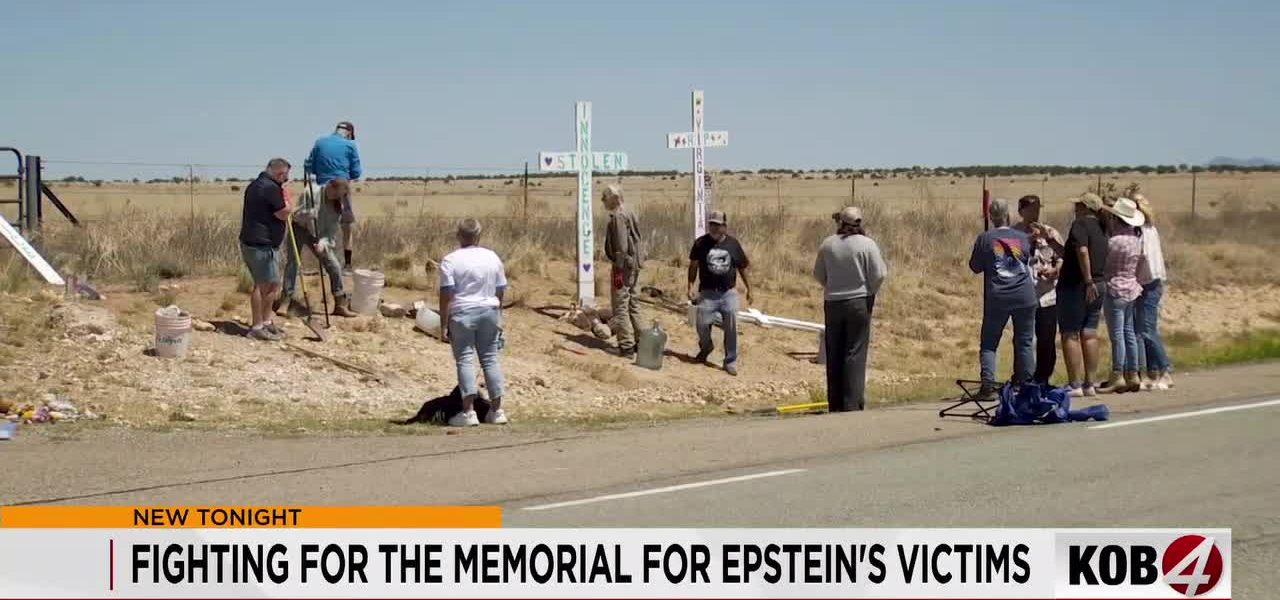
Someone, perhaps several someones, keeps tearing down a modest memorial dedicated to the victims of convicted sex offender Jeffrey Epstein. And, every time it vanishes, often in pieces strewn across the road like refuse, survivors and activists turn up, tools in hand, to put it back. It’s an almost Sisyphean task, rebuilding shrines to human suffering only for them to be vandalized. But they don’t quit. They just don’t.
Kathy Barber, one of the central figures orchestrating these impromptu rebuilding efforts, can’t even grasp the mentality. “It’s just… who does that? To destroy a tribute to people’s suffering?” she remarked recently, a tremor of exasperation cutting through her weariness. She’d found bits of the memorial—even a small, fragile ceramic heart, miraculously intact—tossed aside across the asphalt, as if its very existence was an inconvenience. It’s baffling, isn’t it? The sheer audacity to actively dismantle a symbol of pain, a tangible mark of remembrance.
These dedicated few met again last Saturday, their latest rally against silence. They gather right outside what was once Epstein’s sickening playground, putting back photos, notes, — and personal items. They’re creating a space for those survivors who actually lived through it, who felt the suffocating horror behind those gates. Barber insisted, “We’re going to keep on rebuilding. I mean, you know, the horrors that happened here have to stop.”
Because, for them, it’s more than just rocks and flowers; it’s a living, breathing testament to accountability, a stark reminder that even in death, Epstein’s shadow persists. This isn’t just about New Mexico, either. Globally, from the hallowed halls of international justice to grassroots movements in Karachi, Pakistan, victims and advocates tirelessly contend with the same brutal cycle: expose a predator, fight for justice, then struggle to keep the collective memory from fading into convenient obscurity. According to the United Nations Office on Drugs and Crime (UNODC), an estimated 71% of human trafficking victims globally are women and girls, a stark number that reminds us of the systemic vulnerability many face.
Another organizer, Rebecca Stover, plans to elevate this persistent protest. She’s sketching out plans for a giant heart, a sturdier vessel with an opening for survivors to place items, then lock it shut. It’s an evolution, really. From a vulnerable, temporary display to something designed to endure, something defiant in its permanence. “It’s going to be a fort against forgetting,” Stover told reporters, a steely resolve hardening her voice.
📄 POLICY WIRE WHITEPAPER PUBLISHED: PAKISTAN'S NATIONAL SECURITY POLICY PRIORITIES
👉 READ BY CLICKING HEREMeanwhile, the political apparatus slowly grinds forward. The state’s Truth Commission is gearing up for its first public meeting. Barber, like many others, wants details. She needs to know how they’re approaching this labyrinthine investigation, how they plan to pull back the layers of complicity and power. “We need transparent answers, not just platitudes,” said State Senator Patricia Chavez (D-Santa Fe), a known advocate for victims’ rights. “The people of New Mexico—and especially the survivors—deserve to understand the full scope of what happened here, and how such atrocities could fester in our state for so long.”
District Attorney Warren Albright, whose office has handled related cases, concurred with the sentiment for clarity, adding, “The memory of these crimes, while painful, is essential for our justice system to function. We have an obligation to survivors to ensure this serves as a perpetual reminder of the vigilance required against those who prey on the vulnerable, regardless of their perceived status.” Their words, measured and weighty, echo a broad demand for genuine institutional introspection.
What This Means
The perpetual vandalism and immediate rebuilding of the Zorro Ranch memorial isn’t just a local skirmish; it’s a microcosm of a much larger societal struggle. Politically, it showcases the immense power of collective memory and grassroots activism to confront institutional failures and entrenched power. The battle to maintain a physical space for grief and accountability sends a clear signal to state institutions: citizens aren’t going to just let official investigations close a file without ensuring profound change. It implies a demand for greater transparency from commissions and legal bodies, forcing them to genuinely engage with the lived experiences of survivors, rather than simply issuing bureaucratic reports. Economically, while this specific fight doesn’t have direct, large-scale monetary impacts, it points to the broader societal cost of abuse and impunity. The lingering shadow over the property—and by extension, the community’s reputation—can deter investment or community growth, demanding resources for legal processes, psychological support, and ongoing monitoring. Ultimately, the dust and the broken memorials here speak to a universal truth: true healing and moving forward requires an honest, unvarnished accounting of the past, even when uncomfortable. And, some folks, they just aren’t letting that truth be forgotten.