


Reality TV Scion Dips Toe into L.A. Policy, Sparks Familiar Fray Over Homelessness
POLICY WIRE — Los Angeles, United States — It’s a city where celebrity endorsements shape election cycles and red carpets often run just yards from tent encampments. Here, in the sprawling, often...

POLICY WIRE — Los Angeles, United States — It’s a city where celebrity endorsements shape election cycles and red carpets often run just yards from tent encampments. Here, in the sprawling, often disorienting nexus of Hollywood and bureaucracy, the latest public skirmish over Los Angeles’s profound homelessness crisis isn’t unfolding between seasoned urban planners or even rival elected officials. Instead, a reality television veteran, known more for his crystal collection than his legislative insights, has waded into the fray.
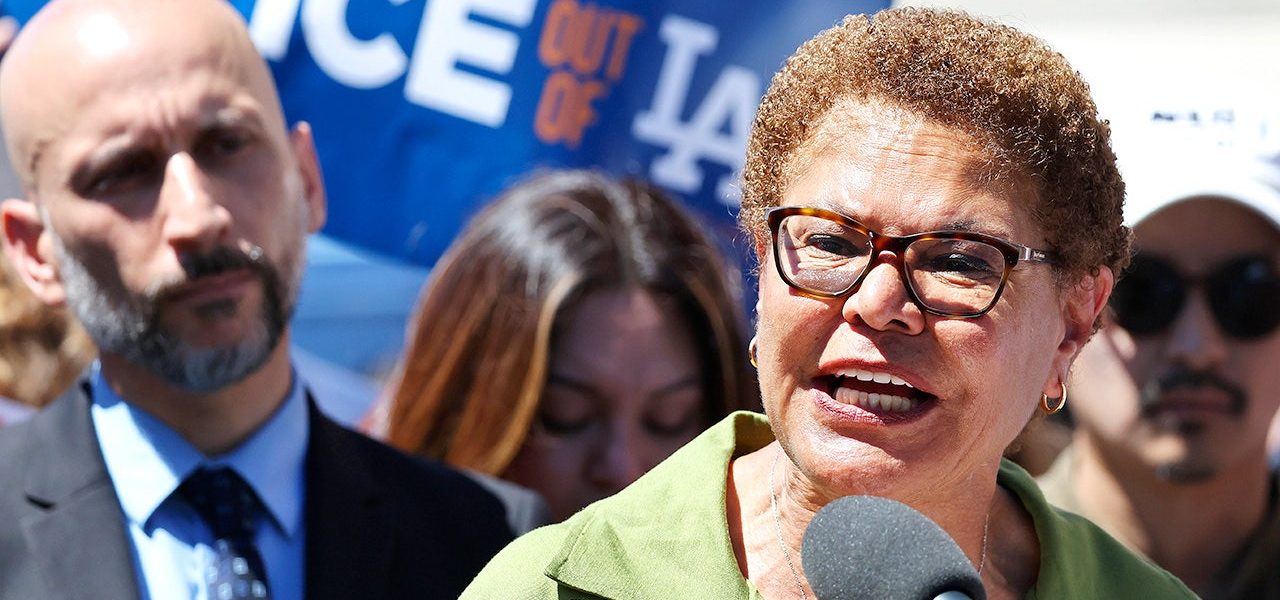
Spencer Pratt, a name familiar to anyone who navigated the labyrinthine drama of 2000s reality programming, has recently—and rather forcefully—turned his critical gaze upon Mayor Karen Bass. But it’s not some nuanced policy brief he’s unspooling; it’s a digital broadside, aimed squarely at the mayor’s efficacy in addressing the city’s deeply entrenched humanitarian issue. It’s almost a performance, if you think about it—an unsolicited, prime-time critique on civic management. Because when the cameras stop rolling on fictional drama, they just pivot to the very real kind.
The essence of Pratt’s contention, according to widely circulated social media posts, seems to boil down to Bass’s perceived shortcomings. He contends the city isn’t doing enough, that efforts are either misdirected or insufficient. He reportedly claimed [QUOTE_PLACEHOLDER], articulating a public dissatisfaction that echoes a significant segment of the electorate. But here’s the kicker: it’s coming from someone whose primary professional experience involves being watched. And honestly, it’s not just a uniquely American thing, this blending of entertainment — and accountability.
Mayor Bass, for her part, entered office pledging an aggressive assault on homelessness. Her ‘Inside Safe’ initiative aimed to transition individuals from street encampments into motel rooms, a move celebrated by many advocates as a necessary step towards safer, more dignified living. Yet, the sheer scale of the problem is monumental. A recent report by the Los Angeles Homeless Services Authority indicated that over 75,000 people are experiencing homelessness in Los Angeles County, a staggering 9% increase from the previous year. That’s an awful lot of human beings to rehouse, especially with a system straining under chronic resource limitations and bureaucratic inertia. One can’t just snap their fingers — and make decades of policy neglect vanish.
But Pratt, channeling what appears to be a broader frustration, isn’t particularly interested in the granular difficulties. He’s taking a broad swipe. He was reportedly [QUOTE_PLACEHOLDER] when observing the persistent visibility of homelessness across the city. This isn’t the first time a celebrity has veered into policy debates, nor will it be the last. Los Angeles itself—this city of perpetual reinvention and stark contradictions—often struggles with its own image, particularly as visible poverty clashes with aspirational wealth. And really, isn’t this kind of spectacle politics just another iteration of an old story? The affluent critiquing the politicians from a distance, demanding change without necessarily proposing viable, funded solutions. It’s a tale as old as power itself, dressed up for the digital age.
One might suggest that this isn’t merely about homelessness in Los Angeles; it’s about the democratization—or perhaps, the chaotic weaponization—of public commentary. Anyone with a platform, regardless of their policy chops, can become an impromptu pundit, and their words can, at times, carry disproportionate weight. You’ve got to wonder if Bass finds it irritating, this sort of uninvited intervention from the celebrity class, particularly when she’s grappling with truly intractable systemic issues. I’m betting she does. It’s a thankless job, running a mega-city like this.
📄 POLICY WIRE WHITEPAPER PUBLISHED: PAKISTAN'S NATIONAL SECURITY POLICY PRIORITIES
👉 READ BY CLICKING HEREThe mayor’s office, naturally, has largely maintained a strategic silence on Pratt’s pronouncements. Engaged in the ceaseless battle of funding proposals, inter-agency coordination, and securing suitable housing, they’re probably calculating that responding directly only amplifies the messenger, drawing oxygen away from their stated goals. The political capital simply isn’t there for engagement in every celebrity-initiated skirmish, especially when facing something as critical and emotionally charged as homelessness. Bass, after all, isn’t running a popularity contest; she’s managing a crisis.
What This Means
This episode, seemingly minor in the grand scheme of civic governance, isn’t just a quirky blip. It reflects a growing intersection—or collision—between pop culture and serious policy discussions, particularly in an age dominated by social media. For Bass, the persistent high-profile critique, even from an unexpected quarter like Pratt, underscores the intense pressure she faces to demonstrate visible progress on homelessness. It’s less about the validity of Pratt’s argument — and more about the noise it creates. This constant digital scrutiny, often devoid of context or long-term vision, creates an incredibly difficult environment for sustained policy implementation. It drains attention, fragments focus, — and can chip away at public trust if responses aren’t swift and perceivable.
Economically, persistent, highly visible homelessness signals urban instability. It can deter investment, strain public services, — and reduce overall quality of life. For Los Angeles, a global city, this perception has tangible impacts far beyond its municipal boundaries. Similar challenges face metropolitan centers across the globe—Karachi or Lahore, for instance—where rapid urbanization outpaces infrastructure and social safety nets. While the specific dynamics differ, the pressure on political leadership to manage rapid growth, housing shortages, and visible poverty under public scrutiny (and sometimes, under the less-than-informed critique of prominent local personalities) resonates deeply. These spectacles, whether from reality TV stars in LA or influencers in Pakistan, illustrate how modern political discourse gets shaped, often reducing complex issues to easily digestible soundbites that generate engagement but rarely illuminate solutions. The rhetoric of sedition might gain headlines, but tackling actual civic decay needs more than tweets.
Politically, the mayoralty isn’t just about making good decisions; it’s about communicating those decisions effectively and controlling the narrative, even against unsolicited celebrity punditry. This skirmish, while probably just background noise to Bass’s core agenda, hints at the delicate balance politicians must strike between ignoring frivolous attacks and addressing genuine public concerns. It’s not about winning a debate with a celebrity; it’s about winning the trust of a deeply cynical populace. Sometimes, even the most seemingly irrelevant voices can tap into deeper anxieties, pushing a narrative that politicians ignore at their peril. And this constant, low-level static doesn’t just dissipate on its own, it festers.