

Rhetoric of Sedition: Why Presidential Claims of Treason Hit a Legal Brick Wall
POLICY WIRE — Washington, D.C., USA — It’s a grand word, ‘treason.’ One that echoes with betrayal, gallows, and a particular kind of national perfidy. But when former President...

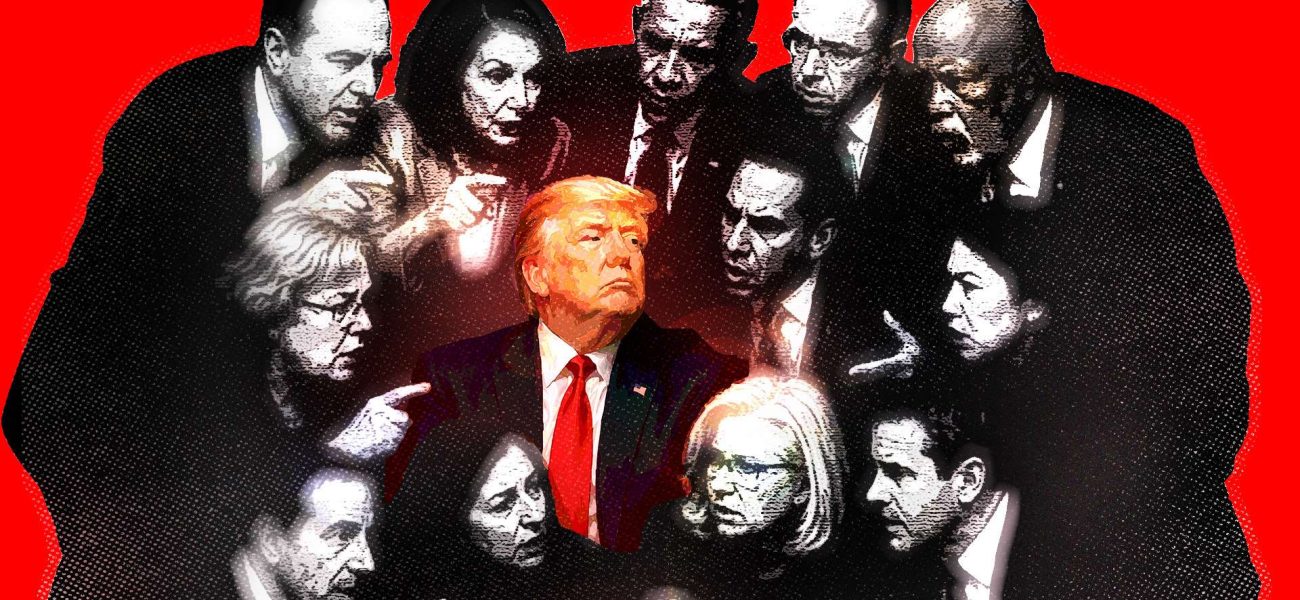
POLICY WIRE — Washington, D.C., USA — It’s a grand word, ‘treason.’ One that echoes with betrayal, gallows, and a particular kind of national perfidy. But when former President Donald J. Trump (a fellow with a rather generous interpretive streak) lobs it like a political hand grenade at his perceived enemies, it bounces—every single time—off a steel-reinforced legal bunker. Turns out, what sounds dramatic on a rally stage means squat in a courtroom, a subtle distinction apparently lost in the thunderous applause.
It’s not just a linguistic preference either, not like calling a big sandwich a ‘sub’ versus a ‘hero.’ The U.S. Constitution, that old parchment everyone conveniently forgets until they need it, is pretty darn specific. Article III, Section 3, doesn’t mess around with ambiguity when it defines the ultimate crime against the republic: [QUOTE_PLACEHOLDER]. It’s a compact, almost poetic clause that cuts right through the bluster. You don’t get to call someone a traitor for disagreeing with you, for a bad policy decision, or even for—heaven forbid—critically covering your administration. That’s a debate tactic, not a death penalty offense.
This narrow definition isn’t some arbitrary bureaucratic quirk. It’s born of a painful, bloody history. Imagine a young America, nervous about tyrants — and the monarchy they’d just kicked out. They understood that rulers often weaponized treason to silence dissent, to maintain power through fear. They built walls, legal ones, to protect free speech, political discourse—even the irritating, dissenting kind. It wasn’t about making life easy for aspiring Benedict Arnolds. It was about preventing a slippery slope back to absolutism. And honestly, it’s served us well.
But when words like ‘treason’ get bandied about by the nation’s highest office, they don’t just dissipate into the ether. They stick. They cling to the discourse, poisoning the well of legitimate disagreement. For countless millions in South Asia, particularly in places like Pakistan where fragile democratic institutions have often buckled under military pressure or political instability, such casual disregard for legal definitions sends shivers down the spine. It reminds them that unchecked power, however acquired, always seeks to define its opposition out of existence, often through the very charges designed to protect the state from genuine enemies.
Consider the requirements. For a treason conviction, you need either the [QUOTE_PLACEHOLDER] or [QUOTE_PLACEHOLDER]. That’s right. Two living, breathing people saw the ‘overt act’—the actual, tangible act of waging war or aiding enemies. Or the accused confesses. That’s it. You don’t get to assemble a circumstantial case based on cable news punditry. And because of this sky-high bar, the last successful federal prosecution for treason occurred in 1952, against Tomoya Kawakita for brutalizing American POWs during World War II, as detailed in legal records from the era. That’s how rare, how specific, — and how serious the charge really is.
So when someone gets called a traitor for, say, daring to question foreign policy or for not ‘loving’ a particular politician enough, it doesn’t just cheapen the language. It erodes the fundamental concept of loyal opposition. It suggests that fidelity isn’t to the republic — and its constitutional framework, but to a person, an agenda. And that’s a dangerous idea. A democracy thrives on friction, on different viewpoints clashing, on debate, on a healthy skepticism towards authority. When you brand that as treachery, you’re not just misunderstanding the law. You’re trying to fundamentally alter the nature of governance, pushing it towards something far more authoritarian.
📄 POLICY WIRE WHITEPAPER PUBLISHED: PAKISTAN'S NATIONAL SECURITY POLICY PRIORITIES
👉 READ BY CLICKING HEREIt’s a pattern, too. The strongman playbook is always familiar. First, delegitimize the press. Then, label political opponents as threats to the nation. Eventually, paint any dissent as sedition. It’s a road paved with bad intentions, one that societies from fledgling democracies to established ones have travelled, often to disastrous ends. And we’ve seen enough of that particular story. We should know better.
What This Means
The casual weaponization of terms like ‘treason’ by high-ranking political figures isn’t just bombastic rhetoric; it’s a calculated, if often legally baseless, assault on democratic norms. Politically, it aims to energize a base while demonizing opposition, effectively moving the Overton window on acceptable political discourse. By framing critics as existential threats, it suppresses legitimate debate and emboldens partisans to view political differences not as policy disputes but as moral failings—or worse, acts of disloyalty. Economically, while not directly impacting markets, this rhetoric creates an environment of instability and unpredictability that can deter investment and weaken international confidence. For countries like Pakistan, grappling with their own delicate balance of power, the implications are particularly stark. It normalizes the very language that authoritarian regimes use to crush dissent, eroding the critical legal distinctions that safeguard citizens. It makes the job of defending democratic institutions much harder, offering a chilling template for those who seek to concentrate power. It also sets a deeply disturbing precedent for future leaders, inviting them to emulate this destructive verbal strategy. It doesn’t strengthen the nation; it hollows it out.
Because ultimately, when every disagreement is ‘treason,’ then nothing is. And then, when true threats emerge, we won’t even have the words left to describe them. We’ll be too busy picking up the pieces of a poisoned civic conversation. It’s a predictable script, one you’d hope experienced leaders wouldn’t keep reading from. Maybe it’s just too tempting to call the emperor out on his lack of clothes (and on America’s $39 trillion tightrope)—especially when the emperor himself is shouting. Or maybe they just haven’t studied up on their constitutional baseball.