


Vaping’s Stealth Ascent Undermines New Mexico’s Anti-Smoking Gains
SANTA FE, N.M. — The grim reaper of public health, Big Tobacco, keeps inventing new dances, and governments keep trying to keep pace. While New Mexico cheers a marginal dip in traditional cigarette...

SANTA FE, N.M. — The grim reaper of public health, Big Tobacco, keeps inventing new dances, and governments keep trying to keep pace. While New Mexico cheers a marginal dip in traditional cigarette use, a more insidious habit has quietly taken root, threatening to eclipse those hard-won victories: the pervasive rise of vaping. It’s a tale as old as vice itself: one door closes, another one, sleek — and flavored like bubblegum, swings wide open.
State officials are quick to highlight some silver linings, even as clouds gather. High school cigarette smoking, for instance, plunged from 8.3% in 2019 to a comparatively respectable 3.3% by 2023. Middle schoolers also showed promise, with e-cigarette use falling from 15.1% to 10.4% in the same period. Sounds like progress, doesn’t it? [QUOTE_PLACEHOLDER]
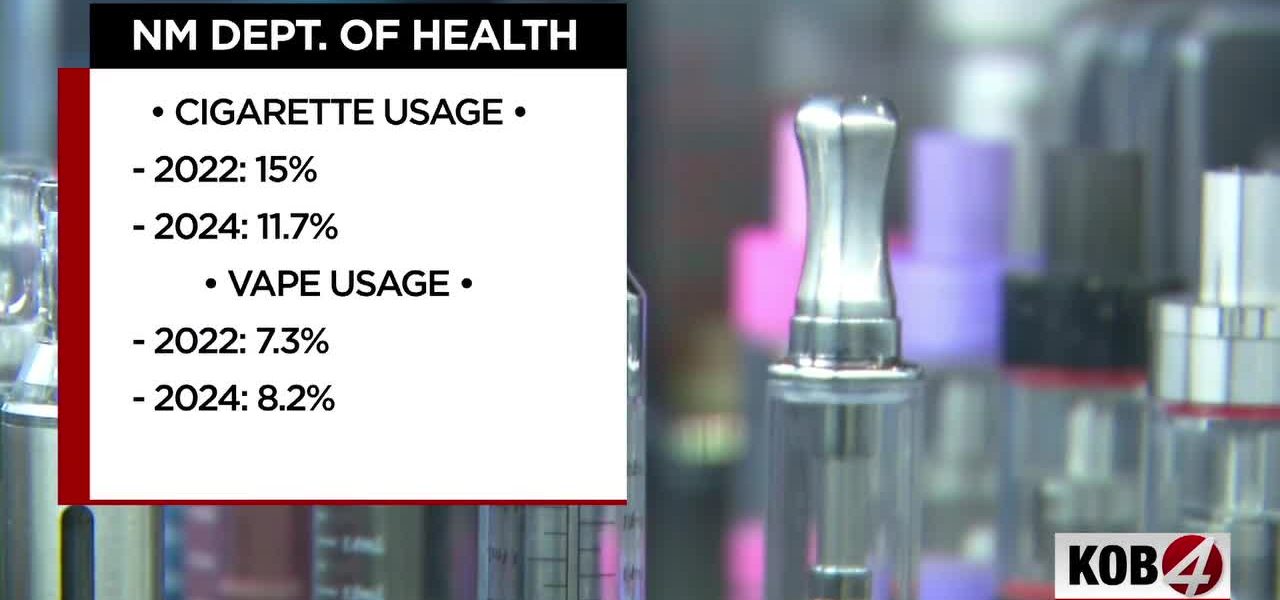
But the numbers tell a more complicated, frankly unsettling, story. Policy Wire has observed similar patterns globally. While cigarette smoking across the state declined by a modest 4% between 2022 and 2024, the usage of vapes — or e-cigarettes, for the formally inclined — crept up by more than 1%. And it’s not just a minor fluctuation; the State Department of Health, the folks who actually track these depressing statistics, confirm that these modern contraptions are precisely what drove the overall increase in nicotine use.
It’s a peculiar kind of public health whack-a-mole. You curb one addiction, — and another, seemingly more palatable variant, pops up to capture the next generation. Officials aren’t mincing words either, voicing serious concerns about youth nicotine addiction. It’s a new demographic in an old battle. But they’re not just fighting a product; they’re fighting sophisticated marketing. You see the bright packaging. You see the candy and dessert flavors. They’re practically shouting at kids: hey, this ain’t your grandpappy’s dirty habit. It’s cool. It’s fun. It tastes like watermelon gummy bears. Because, well, who could resist a mango-flavored lungful of addiction?
And that’s where the legal guns start blazing. New Mexico Attorney General Raul Torrez isn’t waiting for the trend lines to cross some irreversible Rubicon. He’s taking the fight directly to the frontline vendors — some major convenience stores — accusing them of actively aiding and abetting the creation of new nicotine dependents. The lawsuit is direct, alleging these outlets help drive youth nicotine addiction through their product displays and marketing. Torrez is going after civil penalties, brandishing the New Mexico Unfair Practices Act like a regulatory broadsword. This isn’t just about public health; it’s about holding corporate actors accountable for practices that blur the lines between salesmanship and preying on impressionable minds.
Because let’s be frank: tobacco, in any guise, isn’t benign. The department grimly notes it still kills more than 2,000 New Mexicans every single year, and it’s behind nearly 24% of all cancer deaths in the state. Those aren’t abstract figures. Those are families shattered, lives cut short, healthcare systems strained. It’s a perennial, grinding cost, paid in human misery — and economic burden.
The echoes of this battle reverberate far beyond Santa Fe’s adobe walls. Nations across the globe, from the burgeoning youth markets of Pakistan to the diverse populations of South Asia and the broader Muslim world, face similar dilemmas. Governments there grapple with balancing economic development against public health mandates. While Western markets, sometimes belatedly, implement policies against traditional tobacco, the influx of novel nicotine products often precedes regulatory frameworks. It’s a constant, global game of catch-up, with vulnerable populations, especially the young, often caught in the crossfire. But how quickly will regulatory frameworks adapt in Lahore or Jakarta when they struggle even in the developed West?
What This Means
The situation in New Mexico isn’t just a local anomaly; it’s a bellwether for a broader public health policy challenge. Politically, Attorney General Torrez’s lawsuit against convenience stores marks a significant escalation. It shifts the regulatory burden and, more importantly, the public blame, from individual users to commercial entities, which has significant implications for lobbying efforts and campaign contributions in future election cycles. Expect a protracted legal battle, with significant pushback from retail and tobacco industry groups, arguing against what they’ll undoubtedly label as governmental overreach or an attack on consumer choice. Economically, while a decline in traditional smoking might marginally ease some healthcare burdens long-term, the rise of vaping threatens to simply swap one set of costly chronic illnesses for another. The nascent e-cigarette market generates its own tax revenue, but it also creates future medical expenditures. For cash-strapped states, it’s a devil’s bargain: new tax streams today, massive healthcare costs tomorrow. The real victory would be an overall reduction in nicotine addiction, not merely a product substitution. This lawsuit signals a readiness from government to confront not just the product, but the predatory marketing tactics that feed addiction, a fight that will undoubtedly inform legislative efforts far beyond New Mexico’s borders, impacting public health policy debates for years to come.