


Hoops & Hardball: The WNBA’s Shifting Sands of Fortune Reflect Broader Economic Headwinds
POLICY WIRE — Atlanta, USA — When you gaze past the glitz of professional sports, beyond the dazzling lights and fervent fanbases, you’ll find—often enough—a rather stark mirror to the mundane...

POLICY WIRE — Atlanta, USA — When you gaze past the glitz of professional sports, beyond the dazzling lights and fervent fanbases, you’ll find—often enough—a rather stark mirror to the mundane cruelties of the global economy. Consider the Atlanta Dream, currently sputtering through a rough patch, losing five of their last six games. They’re not just chasing a WNBA playoff berth; they’re inadvertently reflecting a larger narrative: the precarious balance between talent, capital, and the relentless march of market forces. It’s a compelling, sometimes bruising, tale that goes far beyond who sank the most three-pointers.
Because, really, what’s happening on the court for the Dream—especially with star Angel Reese sidelined by injury—isn’t just about poor shooting percentages or defensive lapses. It’s about systemic pressure. Losing streaks hit the bottom line. They test fan loyalty, which directly impacts everything from ticket sales to sponsorship deals, elements that communities like Atlanta lean on for their own civic revitalization efforts. They’ve seen their city, once known for resilience, now facing the quiet indignity of a team that simply can’t seem to catch a break.
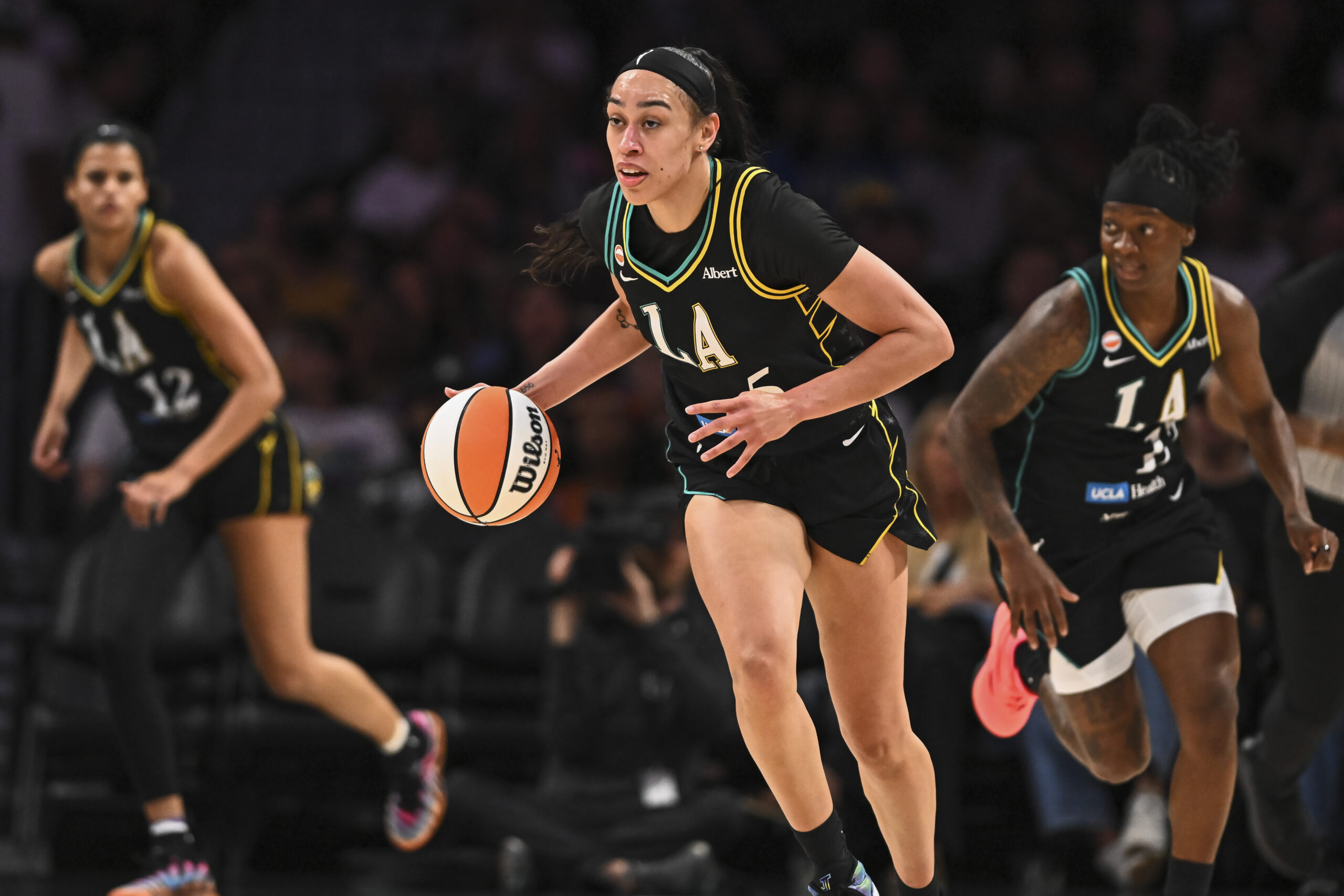
Meanwhile, the visiting Los Angeles Sparks—fresh off their second consecutive win—arrive like a well-oiled corporate machine, a testament to effective management and consistent talent acquisition. They don’t seem to be wrestling with the same existential questions. Nneka Ogwumike, a veritable force, dropped 25 points — and 12 rebounds in their last outing against the Chicago Sky. That kind of consistent output, week in — and week out, breeds confidence, brings in revenue, and stabilizes a franchise. It’s what you might call ‘good policy’ in the world of high-stakes sports.
The WNBA, for all its recent growth, isn’t immune to the broader economic headwinds that push players to look overseas. Many of these elite athletes, including several from both the Sparks and the Dream rosters, spend their off-seasons playing in leagues stretching from Turkey to Qatar. It’s not just a travelogue for them; it’s a financial necessity. This exodus of talent, while boosting individual player incomes, also weaves the league into a surprisingly complex geopolitical fabric. You don’t often connect a WNBA guard’s assist average with, say, Gulf investment strategies or regional women’s sports initiatives, but they’re tied, believe it or not. The rising popularity of women’s sports in places like Pakistan and other South Asian nations means that player careers, and the economics of the game, have a reach that’s truly global.
“Our players aren’t just athletes; they’re global ambassadors, navigating diverse cultures and economic landscapes in pursuit of their passion and livelihood,” remarked Cathy Engelbert, the WNBA Commissioner, in a recent league update. “Their experiences abroad enrich not only their careers but also the league’s global footprint, opening up new dialogues about sports and empowerment, even as we fight for better pay structures here at home.” That struggle for fair compensation for their labor, much like the broader economic challenges facing many workforces today, keeps the WNBA in constant motion—players aren’t just competing for titles; they’re also competing for financial security, often in unfamiliar lands. They’ve to.
Atlanta’s recent struggles really drive this point home. Losing without Angel Reese isn’t an excuse, it’s a harsh reality. The Portland Fire, for instance, shot a blistering 60% from the field against the Dream last Saturday, compared to Atlanta’s meager 44% — a data point ripped directly from league stat sheets that doesn’t just show a bad game, it shouts a systemic issue. This isn’t a fleeting hiccup. It’s a symptom.
“We’re grappling with more than just opponents right now; it’s a test of our collective will, our management, and frankly, our long-term economic strategy,” confided an Atlanta Dream front office official, speaking on background about the challenges facing the club. “We’ve got to find a way to not just win games, but also keep the faith of a community that expects more.”
What This Means
The travails of the Atlanta Dream aren’t just a blip on the sports radar; they’re an interesting case study in the broader politics of urban centers and the economics of niche markets. A struggling sports franchise can affect local pride, consumer spending, and even small business resilience around arenas. It puts pressure on municipal governments, too, who often invest heavily in these teams, directly or indirectly, expecting a return in civic engagement and tourism. For the WNBA itself, player reliance on overseas leagues—a complex web of economic necessity and opportunity—forces it to reckon with global issues. It’s a policy conundrum, actually: how do you balance growing domestic appeal with the reality that your top talent is frequently exported, gaining experience—and cash—in different economic ecosystems?
But beyond the immediate economic ramifications, there’s also the psychological impact. A losing team, particularly in a league where women athletes are still fighting for equity and mainstream recognition, can erode the hard-won gains in public perception. It’s a challenge to maintain public investment and interest when the product isn’t delivering, even when injury-riddled. This plays into the larger conversation about meritocracy in sports and societal structures—the perilous politics of the pitch are very much alive here. And while the Sparks and Dream play their Monday night game, we’re watching not just a basketball contest, but a skirmish in the ongoing battle for sustainable success, both on the court and off.