


The Enduring Roar: Can RCB Forge a Dynasty in Cricket’s Cash-Rich Colosseum?
POLICY WIRE — New Delhi, India — The hum of victory, they say, can be a deafening thing. Last year, the Royal Challengers Bengaluru finally silenced nearly two decades of self-doubt, snatching their...

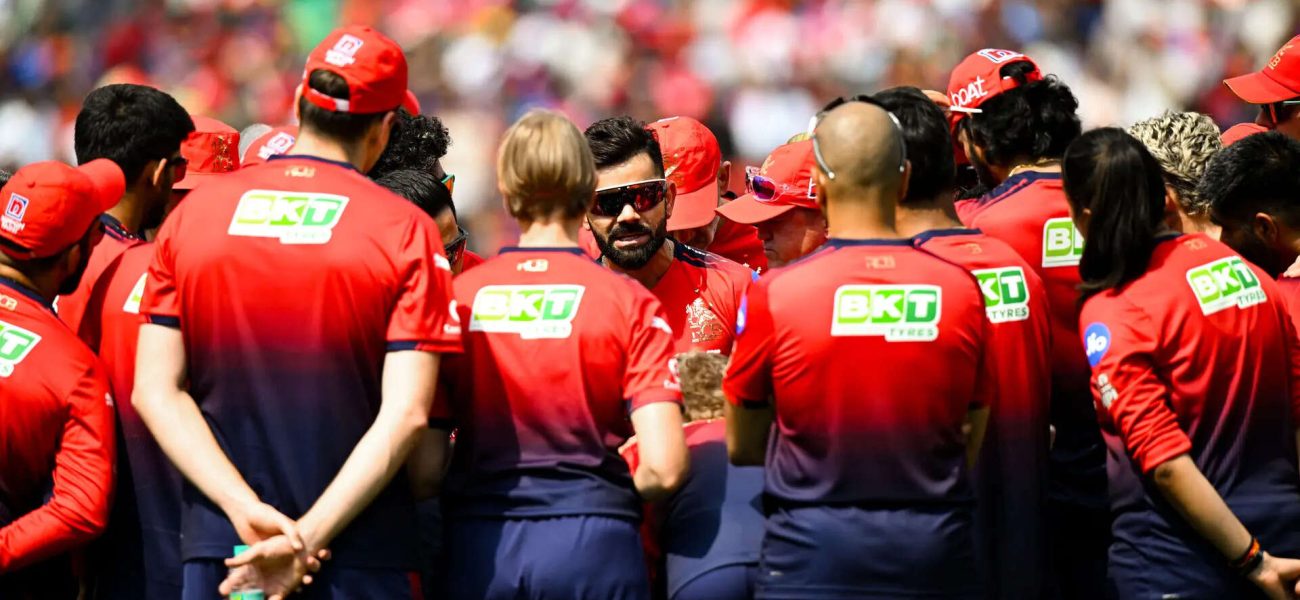
POLICY WIRE — New Delhi, India — The hum of victory, they say, can be a deafening thing. Last year, the Royal Challengers Bengaluru finally silenced nearly two decades of self-doubt, snatching their inaugural Indian Premier League trophy. But in the ruthless arena of twenty-over cricket—a game less about athletic grace and more about raw, commercial spectacle—yesterday’s triumphs fade fast. Now, under the cool, calculative gaze of captain Rajat Patidar, RCB stands on the cusp of a dynastic claim, ready to defend their crown. It’s not just a trophy on the line; it’s a narrative, a legacy, and for the IPL, another chapter in its increasingly global dominion.
No team in modern sport seems to carry the burden of expectation quite like the reigning champion. It’s an unforgiving spotlight, a ceaseless demand for repeat performance. And this year, RCB hasn’t just performed; they’ve orchestrated a season that borders on clinical, topping the league standings with a nonchalant ease. After clinching nine victories from 14 league fixtures, they dispatched the Gujarat Titans with a crushing 92-run win in Qualifier 1. Now, those same Titans await them in the final, a rematch less about redemption and more about confirming a shift in the hierarchy of the subcontinent’s most lucrative sport. People expected them to be good. But this good? A lot of folks, even within the cricketing establishment, seem a bit taken aback by their consistency.
For Virat Kohli, the face of the franchise for so long, 2025 marked the exorcism of an 18-year-old demon. You’d think a man might coast after such an emotional win. Not him. Not this team. They’ve returned leaner, sharper, more focused. Patidar, meanwhile, has quietly stepped out of Kohli’s gargantuan shadow, steering the team with a quiet authority that belies his relative inexperience as a skipper. It’s his blend of tactical acumen and brutal hitting – witness his 93 off just 33 balls in the Qualifier – that’s proved transformative. This isn’t just about big names anymore. It’s about a finely tuned machine.
And what a machine it’s, not just on the field. The IPL, after all, isn’t merely a sport. It’s a behemoth of commerce, a cultural phenomenon that stretches far beyond India’s borders. Think about it: the league’s brand value soared to $10.7 billion in 2023, according to a report by Houlihan Lokey, an economic indicator that overshadows many nations’ entire GDPs. But its reach is deeply felt across South Asia, particularly in places like Pakistan, where players and fans—despite political tensions prohibiting their participation—watch with a mixture of envy and fascination. The raw energy, the professional sheen, the global eyeballs—it’s an undeniable magnet.
“Building on success is a different kind of beast,” Patidar reportedly confided to his squad after their hard-fought wins against Mumbai and Lucknow. “The targets get bigger, the microscope sharper. But we’ve embraced it. It’s about the next ball, the next boundary, always.” That sentiment seems to have permeated the locker room. The team shrugged off a couple of mid-season wobbles—losing to Delhi and then stumbling against Gujarat—with a champion’s defiance. They’ve learned to absorb a punch. They’ve got guts. And that, frankly, scares opponents.
But the stakes extend beyond Bengaluru’s locker room. “The IPL’s sustained dominance isn’t just about entertainment,” remarked Dr. Javed Iqbal, a noted sports economist based in Lahore, offering a view from outside India. “It’s an economic blueprint, a soft power instrument. Every high-stakes match, every viral moment, subtly strengthens India’s regional influence and positions it as a commercial and cultural hub for cricket—a lesson other nations, particularly those with a deep cricketing passion like Pakistan, are surely observing, albeit from afar.” Because the IPL offers something no other T20 league does: unmatched visibility and staggering financial incentives.
📄 POLICY WIRE WHITEPAPER PUBLISHED: PAKISTAN'S NATIONAL SECURITY POLICY PRIORITIES
👉 READ BY CLICKING HEREThe road to this final was a bumpy one at times. Their season started explosively, like a rocket launch. Two hundred runs became the new normal, not an aberration. Chasing down a colossal 201 against Sunrisers Hyderabad in the season opener, with Kohli anchoring, showed early intent. But it was that late-season hat-trick of victories, including a nail-biting win against Mumbai, that solidified their playoff spot and propelled them to the top. Even a thumping by Hyderabad in their final league match couldn’t dislodge them, their net run rate — a statistic often ignored until it matters most — proved superior. They’d done the math. They’d played the long game.
Now, as Ahmedabad prepares for the grand finale, RCB doesn’t just look like favorites; they look inevitable. Patidar’s batting, Kohli’s experience, and the disciplined bowling spearheaded by the likes of Josh Hazlewood, who tore through DC with 4/12 in one crucial fixture—it’s a potent combination. They’re primed. They’re ready. The trophy may have ended one drought, but this time, it could kick off a flood.
What This Means
The Royal Challengers Bengaluru’s potential back-to-back IPL titles transcend mere sporting achievement. Politically, it further solidifies India’s dominion over global cricket, underscoring the Board of Control for Cricket in India’s (BCCI) unassailable financial and administrative power. It’s an affirmation of India’s economic model for the sport, a template increasingly mimicked but rarely replicated internationally. Economically, this success amplifies brand value and viewership, pouring more billions into the ecosystem, benefiting everything from grassroots cricket to advertising revenues. For other cricket-playing nations in South Asia—specifically Pakistan and Bangladesh—it intensifies a bittersweet dynamic. While the IPL generates immense interest and provides a global benchmark for T20 cricket, their own leagues and players grapple with less funding and exposure, highlighting regional disparities exacerbated by the IPL’s commercial might. RCB’s run isn’t just about a team winning; it’s about the continued expansion of a sporting empire, one that reshapes regional economies and narratives about what professional sport can truly achieve.