


Supreme Court Ruling Saves New Mexico Billions as Rio Grande Water Continues to Disappear
POLICY WIRE — WASHINGTON — It's a curious thing, isn't it? While entire communities face down the specter of a vanishing river, state officials dedicate over a decade to legal jousting. And...

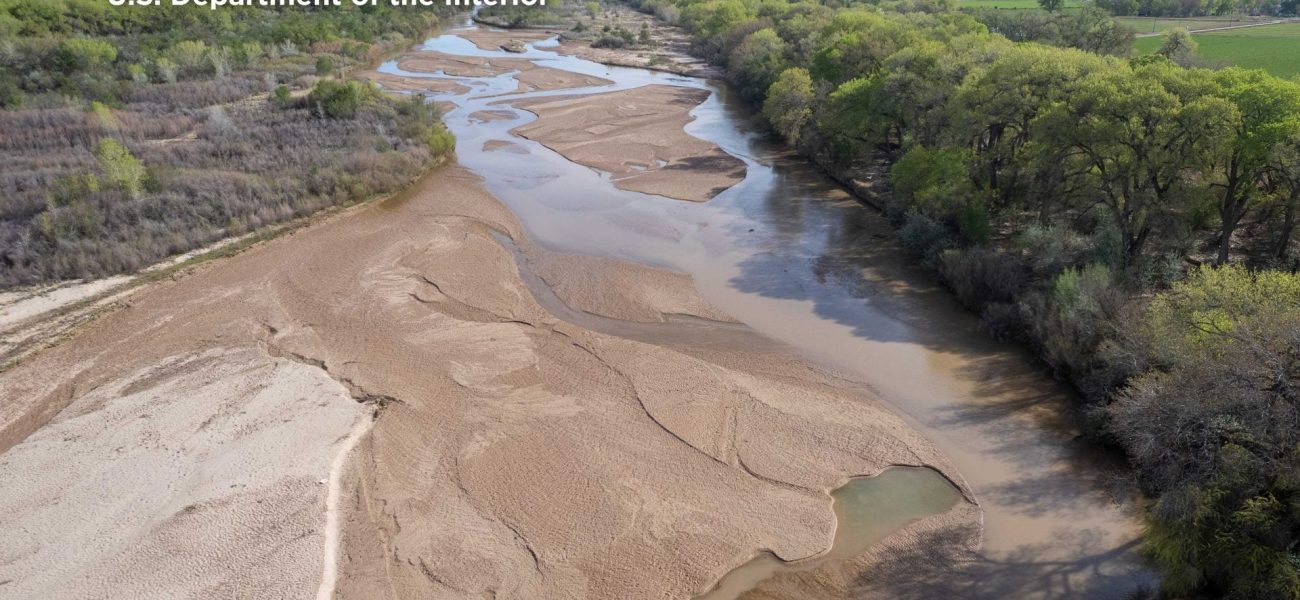
POLICY WIRE — WASHINGTON — It's a curious thing, isn't it? While entire communities face down the specter of a vanishing river, state officials dedicate over a decade to legal jousting. And that's precisely what's just happened along the Rio Grande, a vital artery now often reduced to a sandy trickle.
After a painstaking, almost mind-numbing 13-year fight, the U.S. Supreme Court finally, almost wearily, approved a settlement to manage the dwindling water resources shared between New Mexico and Texas. You see, the agreement draws a rather convoluted curtain on a protracted legal drama, the Texas v. New Mexico and Colorado case, which centered on New Mexico’s perceived overreliance on groundwater beneath the formidable Elephant Butte Reservoir. It sounds arcane—and it probably was for most of those thirteen years. [QUOTE_PLACEHOLDER]
But make no mistake, the stakes were anything but small potatoes. For New Mexico, particularly, this ruling wasn't just about legal bragging rights. It was about sidestepping what could've been a financial catastrophe. Attorney General Raúl Torrez didn't mince words, articulating that “Had this case continued and the Court ruled against us, New Mexico taxpayers could have faced billions of dollars in liability to Texas.” That's not pocket change; it's a sum that could cripple state coffers, reshaping everything from school budgets to infrastructure projects. Imagine that kind of fiscal Damocles' sword hanging over you for more than a decade. No wonder folks are breathing easier.
New Mexico's Governor Michelle Lujan Grisham framed it as a pragmatic win, stating “This settlement means farmers in the Lower Rio Grande can plan for the future, communities have certainty about their water supply and New Mexicans aren’t on the hook for a liability that could have cost billions.” She's right, of course. Uncertainty kills investment, stalls growth. But one has to wonder if the legal peace papering over the dispute will truly salve the deeper wound: the inexorable march of desertification.
The state has, to its credit, pledged to keep up efforts in the Lower Rio Grande for better water management, conservation, and sharper data tracking. There's also talk of bolstering long-term aquifer sustainability. All sensible moves, obviously. And yes, a new water accounting framework is now in play. But these are frameworks — and pledges in the face of an elemental force. It's like sketching out a battle plan against a tidal wave. An earnest, necessary one, but a tidal wave nonetheless.
The genesis of this whole kerfuffle? Farmers in southern New Mexico, desperate for hydration, tapped into groundwater to irrigate their orchards — and crops. Texas argued, quite reasonably, that this was cutting into water meant for its own farmers and the parched residents of El Paso. It's a zero-sum game, really. And in arid lands, where every drop counts, someone always feels short-changed. This year, the Middle Rio Grande Conservancy District said the river is experiencing historically early dry conditions, and that's a grim forecast. This particular river, I’m told, is expected to dry up as far north as Albuquerque once again this summer. Think about that for a second. Albuquerque.
What This Means
This ruling, though framed as a legal victory for New Mexico and a rational framework for managing water, offers little comfort to the broader, existential dilemma facing the entire Southwest. It's a triumph of bureaucratic process over hydrological reality. The courts can carve up allocations, but they can't conjure rain. The immediate economic impact is positive for New Mexico; dodging a “billions of dollars in liability” payout prevents an instant fiscal crisis, allowing policymakers to redirect scarce resources toward genuine water conservation efforts rather than legal fees.
But the long-term prognosis remains grim. This isn't just a regional American problem; it's a microcosm of resource conflicts unfolding globally, especially in already strained regions like South Asia. Think of the ongoing, often contentious negotiations over the Indus Waters Treaty between Pakistan — and India. Both nations, increasingly vulnerable to climate change and glacial melt, are locked in a high-stakes struggle over a dwindling, shared resource. Similar to the Rio Grande dispute, their agreement, forged decades ago, is constantly re-evaluated under the crushing weight of changing hydrological patterns and population growth. The pressure points might differ—Pakistan's agricultural economy is profoundly linked to the Indus, and India's growing needs are immense—but the underlying dynamic of resource scarcity driving interstate (or international) tension is chillingly familiar. For more on such intricate power plays, consider this observation on strategic gambits in another arena. And because climate models predict increasing aridity across many parts of the globe, including significant portions of the Muslim world from North Africa to Central Asia, this Supreme Court decision serves as a stark reminder. It highlights that legal frameworks can only ever be temporary balms for what’s, fundamentally, an ecological challenge of immense proportions. You can settle the argument, but you can't settle with nature. The battle for water isn't ending; it's merely shifting fronts, from courtrooms to a desperate race against the sun-baked earth.