


Rio Grande’s Ceasefire: High Court Ends 13-Year Water War, But Thirst Lingers
POLICY WIRE — WASHINGTON — For well over a decade, a multi-billion dollar specter hung heavy over New Mexico’s fiscal ledgers, a silent threat bubbling beneath the parched lands of the Rio...

POLICY WIRE — WASHINGTON — For well over a decade, a multi-billion dollar specter hung heavy over New Mexico’s fiscal ledgers, a silent threat bubbling beneath the parched lands of the Rio Grande. That cloud, finally, has lifted. The Supreme Court, in its characteristic detached manner, has rubber-stamped a settlement in a prolonged water rights spat between New Mexico and Texas, a legal entanglement that—had it gone south for the Land of Enchantment—could’ve truly sunk the state.
It’s a win for now, certainly, even if it feels more like a pause button on an ongoing ecological crisis. The high court’s nod to the agreement puts to bed Texas v. New Mexico and Colorado, a labyrinthine case stretching back 13 years, accusing New Mexico of siphoning off too much groundwater under Elephant Butte Reservoir. The details, mind you, are a lawyer’s fever dream, but the outcome is tangible: New Mexico avoided a potential financial reckoning, something many here in D.C. privately wagered was only a matter of time. And trust me, nobody wanted to see what that particular bill would’ve looked like.
“This settlement means farmers in the Lower Rio Grande can plan for the future, communities have certainty about their water supply and New Mexicans aren’t on the hook for a liability that could have cost billions,” remarked Governor Michelle Lujan Grisham, her tone reflecting a palpable sense of relief, albeit one tempered by the enormity of the task ahead. New Mexico’s Attorney General, Raúl Torrez, minced no words about the near miss: “Had this case continued and the Court ruled against us, New Mexico taxpayers could have faced billions of dollars in liability to Texas. Instead, this agreement protects our state’s interests, provides certainty for water users and communities across the region, and establishes a practical framework for managing one of our most vital resources for years to come.” Billions, indeed. That’s not chump change in any state budget. The original dispute itself sparked because farmers, coping with the river’s diminishing flows, had resorted to tapping groundwater for their crops—a reasonable response from their perspective, but one that quickly escalated into a interstate brawl over finite resources.
Because that’s what this whole mess boils down to, doesn’t it? Water. A resource once considered boundless in some parts, now shrinking in an era of relentless drought. The state government, for its part, has committed to working tirelessly on conservation and smarter water management downstream, strengthening data collection, and pushing for long-term aquifer sustainability. It also mandates a new accounting framework for how the river’s flows are tallied, a bureaucratic detail that’ll likely make or break future relations between the states.
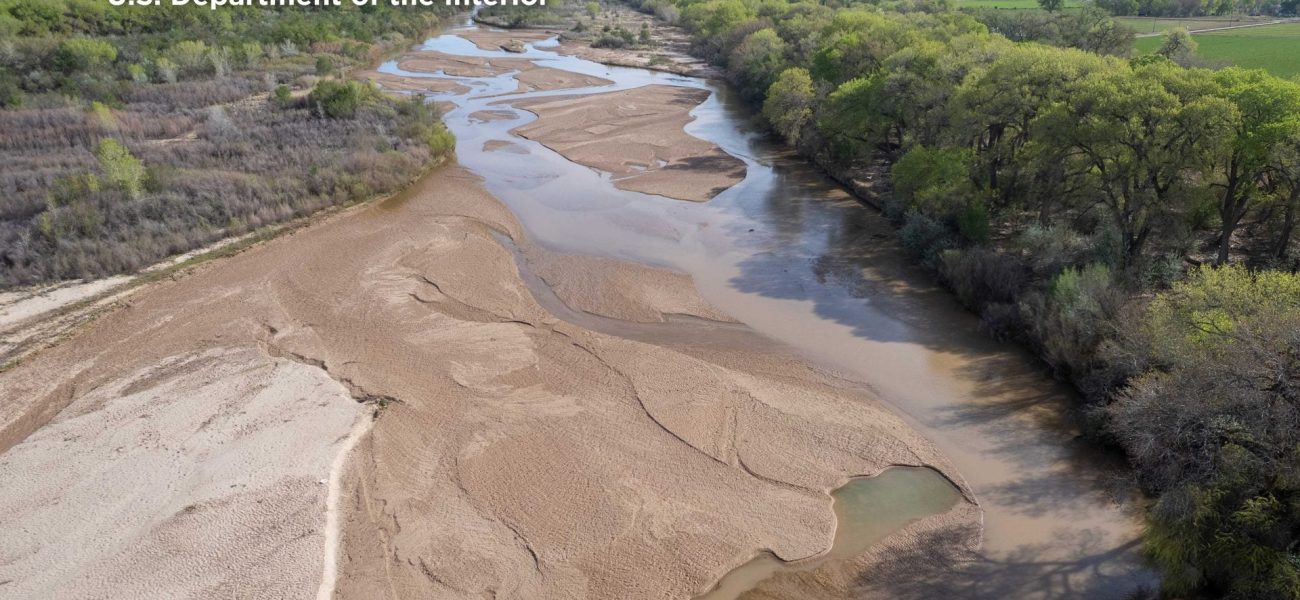
But the immediate sigh of relief belies a much graver reality. While the lawyers shake hands, the Rio Grande itself continues to wither. Just this year, the Middle Rio Grande Conservancy District reported that the river is already experiencing historically early dry conditions. It’s not just a prediction; it’s a recurrent tragedy. Observers expect stretches of the river as far north as Albuquerque will dry up completely once again this summer, effectively rendering the grand river into a series of disconnected puddles, its vital currents extinguished under a relentless sun.
And that, my friends, is the real story. The Supreme Court can settle lawsuits, but it can’t make it rain.
📄 POLICY WIRE WHITEPAPER PUBLISHED: PAKISTAN'S NATIONAL SECURITY POLICY PRIORITIES
👉 READ BY CLICKING HEREWhat This Means
This settlement, though a legal victory, doesn’t actually solve the fundamental, hydrological problem plaguing the American Southwest. It simply offers a bureaucratic balm, buying some time until the next inevitable crisis. Politically, it grants New Mexico a brief reprieve, avoiding catastrophic financial strain and allowing Governor Lujan Grisham’s administration to tout a win. Economically, however, the burden shifts from direct state liability to the quiet, cumulative cost of adapting to—and often failing to adapt to—a relentlessly shrinking water supply. Farmers, whose livelihoods are inextricably linked to the river’s flow, face ongoing uncertainty, regardless of judicial pronouncements. Their operational planning, already a tightrope walk, remains precariously balanced.
The lessons here, ironically, aren’t unique to the Pecos Valley. These protracted legal — and environmental battles over shrinking water sources resonate far beyond the American border. Consider the geopolitical tensions constantly simmering over the Indus River Basin, where Pakistan and India — a nation steeped in complex regional dynamics — grapple with their own ancient claims and modern demands on a shared, finite resource. Just as in our arid West, water there isn’t just a commodity; it’s a flashpoint for international diplomacy and internal stability. What’s unfolding on the Rio Grande is a micro-cosm of a global struggle for survival, just with fewer nuclear implications (we hope). The West’s battle, after all, is just one front in a global war on water. There’s a certain grim solidarity to be found in that.
The state’s renewed commitment to conservation is commendable, sure, but it’s like trying to fill a bathtub with a dropper while the drain’s wide open. The National Oceanic and Atmospheric Administration (NOAA) reports that as of April 2024, approximately 65% of the Western U.S. remains in some form of drought. These settlements, necessary as they’re, offer administrative fixes to a problem that’s aggressively geophysical. They don’t solve the drought, they just determine who gets to squabble over the dwindling drops that are left.