


Silverback’s Shadow: The Ethical Quandary of Gorilla Tourism’s Gilded Cage
POLICY WIRE — Washington, D.C. — Imagine paying upwards of $1,500 for an hour in a muddy forest, peering at a creature that arguably has far more claim to dignity than you do, its very existence...

POLICY WIRE — Washington, D.C. — Imagine paying upwards of $1,500 for an hour in a muddy forest, peering at a creature that arguably has far more claim to dignity than you do, its very existence threatened by forces often connected to the very systems that enable your visit. This isn’t some abstract philosophical puzzle; it’s the stark, uncomfortable reality of gorilla trekking, a tourism phenomenon often framed as conservation’s shining example but, beneath the polished brochures, it grapples with its own uncomfortable truths. It’s a grand spectacle of human aspiration, wildlife fragility, and—let’s be honest—considerable expenditure.
It’s easy to get swept up in the narrative of responsible tourism saving endangered species. You hear it often enough: Look, gorillas! And it’s for a good cause! But the mechanics are messy, they’re really very messy indeed. This isn’t just about admiring magnificent beasts in their natural habitat; it’s about a finely tuned, often financially extractive machine operating in some of the world’s most precarious regions. The whole enterprise sits on a razor’s edge, perpetually balancing conservation efforts with the raw, commercial impetus to turn a profit.
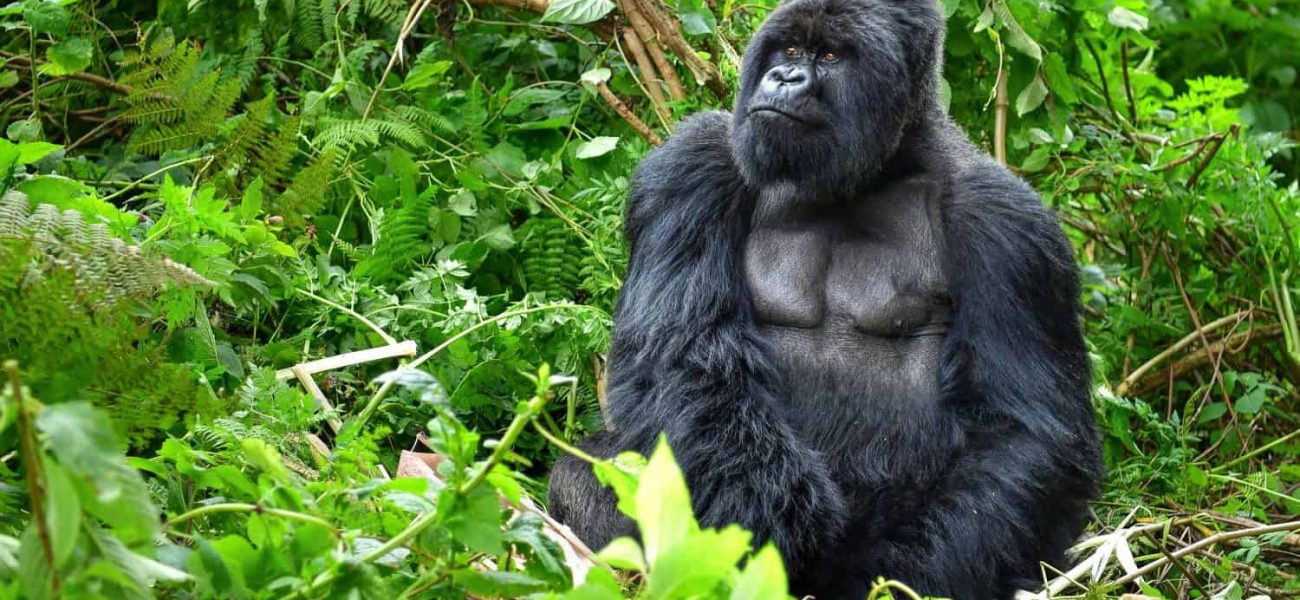
Many a traveler arrives in Uganda, Rwanda, or the Democratic Republic of Congo—the homes to these magnificent creatures—convinced they’re part of an environmental solution. And in some ways, they’re. But one expert, speaking on the nuances of this industry, points to what can only be described as a grand assumption, asserting that we’re essentially creating [QUOTE_PLACEHOLDER]. Think about that for a second. We’ve carved out segments of ancient rainforest, habituated wild animals to human presence—a process fraught with behavioral alteration—and then monetized the intimate encounter. There’s an inherent tension here, isn’t there?
The argument for trekking often rests on its direct economic contributions to conservation — and local communities. They say the parks couldn’t survive without it. But critics are quick to remind us that revenue streams, particularly in regions struggling with governance and infrastructure, can often behave like water through a sieve. Some communities, it’s claimed, feel largely disenfranchised, remaining impoverished spectators to the flow of Western dollars and attention, which feels suspiciously like old colonial models dressed in new conservation garb.
And then there’s the ever-present shadow of zoonotic disease. Humans share 98% of their DNA with gorillas. We’re practically cousins. But proximity brings peril. The common cold, measles, Ebola—they’re all potential devastators. One academic noted, with palpable concern, that [QUOTE_PLACEHOLDER]. This isn’t theoretical; gorilla populations have indeed faced decimation from human-borne illnesses in the past. It’s a delicate dance, where one wrong step, one careless cough from a tourist, could unravel decades of hard-won conservation work.
A recent study published in Conservation Biology detailed that for every 10,000 tourist visits to mountain gorillas, there’s an estimated 1 in 2,000 chance of disease transmission events from humans to gorillas that could have population-level impacts. It doesn’t sound like much until you multiply it across thousands of permits each year. These populations, still struggling, just can’t afford that kind of risk. Yet, the show must go on—because for these regions, it’s often an irreplaceable economic engine.
📄 POLICY WIRE WHITEPAPER PUBLISHED: PAKISTAN'S NATIONAL SECURITY POLICY PRIORITIES
👉 READ BY CLICKING HEREBut the notion of ‘wilderness’ itself undergoes a quiet revolution when these interactions become commonplace. We’re conditioning these animals, altering their natural caution, for a photo op. Is that truly what ethical engagement looks like? It begs the question of where the line is between observation — and intervention. We call it habituation, but perhaps it’s domestication Lite. Some observers point out that the continuous presence of tourists and rangers, even with protocols in place, transforms what was once wild into a rather elaborate, self-sustaining zoo where the enclosure is simply much, much larger.
Even the well-intentioned phrase, [QUOTE_PLACEHOLDER], masks an uncomfortable truth: our choices have consequences, often unintended, always significant for the subjects of our gaze. It isn’t just about buying a ticket; it’s about buying into a system that’s still imperfect, still grappling with its own moral ambiguities.
What This Means
The complexities surrounding gorilla trekking are a micro-reflection of macro-level global challenges in developing economies. It’s a perfect example of precarious footings, where ecological preservation, human welfare, and geopolitical stability are intertwined. Economically, the immense foreign currency generated by trekking, particularly for countries like Rwanda, becomes a double-edged sword. It provides jobs, funding for parks, — and international visibility. However, over-reliance on a single, high-value tourism product can lead to economic vulnerability, subject to global travel whims, health crises, or regional instability. Any dip, as witnessed during the pandemic, can send shockwaves through national budgets.
Politically, the industry’s ethical scrutiny places immense pressure on national governments—especially those eager to shed legacies of conflict and poverty—to demonstrate robust conservation governance and equitable resource distribution. The failure to channel benefits effectively to local communities fuels discontent, creating fertile ground for anti-conservation sentiments and even poaching. Contrast this with similar discussions around wildlife conservation in South Asia, where nations like Pakistan grapple with balancing endangered species protection (e.g., snow leopards, Indus River dolphin) with the livelihoods of impoverished rural communities. Pakistan, too, faces tough decisions about leveraging its natural heritage for tourism without compromising ethical standards or exacerbating existing inequalities. It’s a universal tightrope walk between earning dollars and truly earning trust, especially when international bodies and NGOs often dictate terms. The gorillas—and the people living alongside them—deserve more than just a fleeting glance and a hefty fee; they deserve an ethically sound and economically sustainable future, a system that doesn’t feel like it’s trading on their very essence for foreign exchange. It’s a thorny dilemma with no easy answers, demanding genuine commitment over mere platitudes.