


Torrez Calls Out Blanche: Epstein Files Dust-Up Pits New Mexico Against DOJ Secrecy
POLICY WIRE — WASHINGTON D.C. — Imagine asking for a file—just a file, mind you—only to receive 31 pages of old newspaper clippings. Not exactly a deep dive, is it? But that’s precisely the...

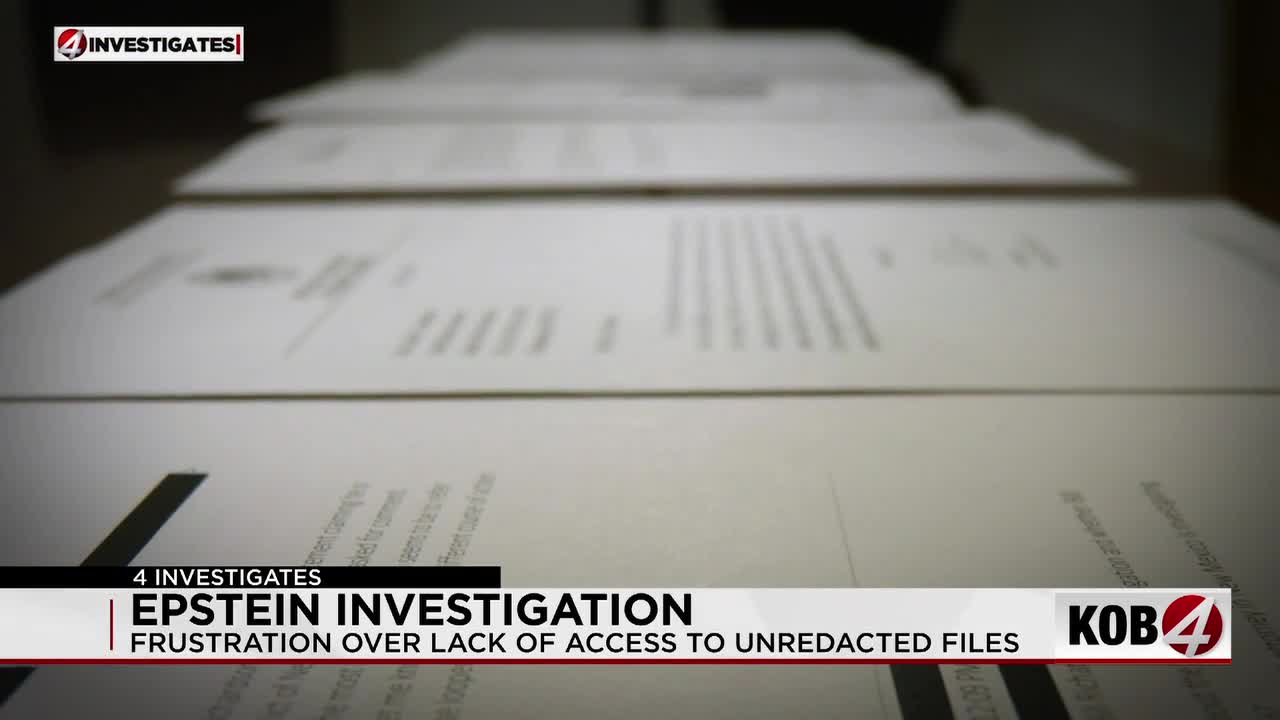
POLICY WIRE — WASHINGTON D.C. — Imagine asking for a file—just a file, mind you—only to receive 31 pages of old newspaper clippings. Not exactly a deep dive, is it? But that’s precisely the situation unfolding in the high-stakes, distinctly unglamorous world of judicial transparency, where New Mexico’s Attorney General, Raúl Torrez, finds himself locked in an increasingly acrimonious battle with the U.S. Department of Justice. He wants unredacted Jeffrey Epstein files related to the infamous Zorro Ranch, and the feds, well, they’re playing hard to get.
It’s not just a regional spat; it’s a stark reminder of power dynamics, where federal behemoths often overshadow state-level inquiries. And, frankly, it feels a bit like a deliberate snub. Torrez, with the bluntness of someone who’s seen a lot, made his frustrations public. He says he’s spent months on this, attempting to gain access to what he insists are records critical to advancing the state’s criminal investigation. But the cooperation he’d hoped for has apparently been replaced by what amounts to a paper trail of scraps, insultingly thin on real intel.
But how thin, you ask? Very. Torrez recounted getting those paltry 31 pages of material. He said: [QUOTE_PLACEHOLDER] That’s not a good look, not for an agency committed to justice. It’s an affront to the pursuit of truth, making you wonder what they’re trying to protect.
The finger-pointing has, predictably, begun in earnest. The U.S. Attorney’s Office in New Mexico claims it didn’t lead the original Epstein investigation. They’re redirecting questions, sending Torrez’s team scurrying to the Southern District of New York. But when he approached them, the response was even more bewildering. Officials there informed him they wouldn’t hand over the unredacted files, citing [QUOTE_PLACEHOLDER] A bizarre argument, given the gravity of the case. Torrez doesn̻t buy it for a second, labeling the whole affair as a “smokescreen.” He’s pretty sure where the buck stops.
No, Torrez doesn’t mince words. He claims: “It’s not Ry Ellison’s decision. It’s not the Southern District of New York’s decision. This is Todd Blanche’s decision.” Todd Blanche, the acting U.S. Attorney General and, a former attorney for President Donald Trump, is currently in Senate confirmation proceedings. Talk about a precarious perch. According to Torrez, Blanche holds the literal keys to the kingdom: [QUOTE_PLACEHOLDER] That’s quite the charge against a man aspiring to a higher, and more trusted, office.
Why all this really matters goes beyond bureaucratic skirmishes. Torrez started this state-level investigation into activities at Zorro Ranch, Epstein’s vast Santa Fe County estate. He said the federal files supposedly contain roughly 13,000 known references to Zorro Ranch. Yet, much of that remains hidden, buried under thick black redaction lines, like government secrets cloaked in midnight. This isn’t just about Epstein anymore; it’s about whether justice can be pursued effectively when the feds keep their cards so close to the chest.
And let’s be honest, this kind of opaque governmental wrangling isn’t exclusive to the Land of Enchantment. Consider Pakistan, for instance, where—according to Transparency International’s 2023 Corruption Perception Index—it ranks 133 out of 180 countries for perceived corruption, highlighting just how widespread public distrust in institutional transparency can be. In societies worldwide, a perceived lack of accountability by powerful entities corrodes faith in the legal system. It makes people question whether justice is truly blind, or if certain names, or certain levels of government, can simply choose when and how much truth to reveal.
A statement from the U.S. Attorney’s Office District of New Mexico offered little comfort, reiterating that “Attorney General Blanche reaffirmed the Department of Justice’s commitment to working with the NM DOJ,” and a vague promise of [QUOTE_PLACEHOLDER] Seeking dialogue? After months of apparent stonewalling? It’s tough to read that without a healthy dose of cynicism, honestly. Despite the high-level resistance, Torrez insists the investigation will continue. It’s an admirable resolve, even if it feels a bit like tilting at windmills.
What This Means
This escalating dispute isn’t just about Epstein’s dirty laundry; it’s a direct challenge to the often-fuzzy lines of jurisdiction and transparency between state and federal authorities. Politically, it places Acting Attorney General Blanche in a deeply uncomfortable spot, especially during his Senate confirmation. Critics could easily seize upon this as evidence of obstruction or, at minimum, a lack of genuine commitment to inter-agency cooperation. It also suggests that the institutional protectionism within the DOJ—especially regarding high-profile, sensitive cases—remains remarkably entrenched.
Economically, persistent public perception of governmental secrecy can deter investment — and erode citizen trust. When state investigations are hampered by federal gatekeepers, it speaks to a broader integrity issue, implying that some information is simply too sensitive for broader disclosure, even if crucial for state-level criminal proceedings. This dynamic creates a chilling effect, making it tougher for smaller entities to challenge established power structures and demand accountability. And when the truth feels obscured, people simply lose faith. For now, the fight for access to the full Epstein files has transformed into a public exhibition of wills, illustrating the sheer grit it takes to pry open federal vaults.