

Legal Dust-Up Over Mail Ballots Clears, For Now
POLICY WIRE — Washington, D.C. — Another skirmish in the ongoing battle for the American electoral soul reached a momentary ceasefire this week, not with a resounding victory for either side, but...

POLICY WIRE — Washington, D.C. — Another skirmish in the ongoing battle for the American electoral soul reached a momentary ceasefire this week, not with a resounding victory for either side, but with a decidedly unceremonious judicial shrug. It wasn’t the kind of dramatic courtroom confrontation you’d expect, just a pragmatic decision that leaves deeply entrenched anxieties over democratic mechanisms to linger like D.C. humidity.
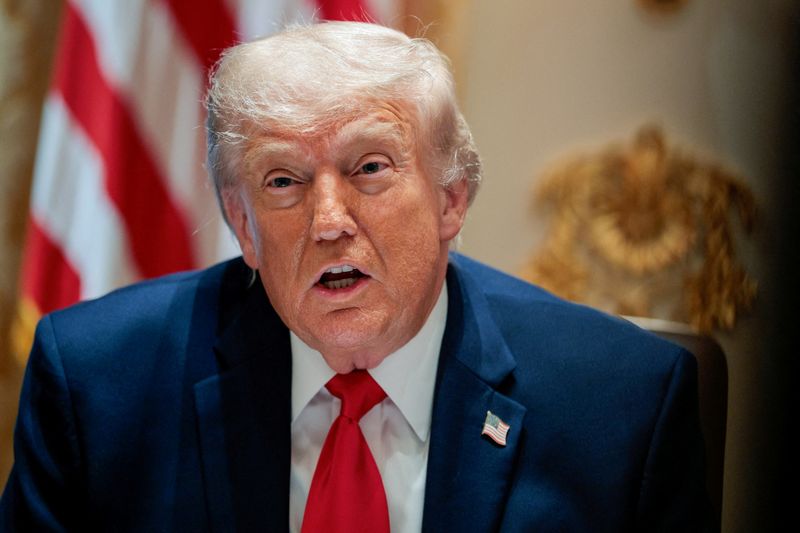
U.S. District Judge James Donato, presiding over a challenge to former President Donald Trump’s executive order on mail-in voting, ultimately decided against imposing a block. This means the contested order, which observers widely considered a political maneuver to restrict ballot access under the guise of security, gets to stand for now. It’s not an endorsement, mind you, merely an absence of judicial intervention—a subtle, yet meaningful, distinction in a political environment where perception is everything. And this particular perception—that a judicial challenge, however reasonable, hit a wall—only fuels the existing electoral mistrust.
Legal eagles, you see, were eager for clarity. They wanted a definitive stop, an outright repudiation of a directive many felt was designed to suppress votes, particularly in marginalized communities. But Donato, operating from the Northern District of California, evidently didn’t find the immediate harm compelling enough to warrant a pre-emptive strike. [QUOTE_PLACEHOLDER] as to why the motion to block was denied, a decision that’s sure to send a chill down the spine of voting rights advocates, even if it wasn’t the final word on the matter. It just wasn’t time for a bell-ringer, according to the court.
This ruling, or non-ruling, has, of course, rippled across the political spectrum. Proponents of tighter voting rules, particularly among conservative factions, no doubt view it as vindication—a nod to their concerns about what they’ve termed rampant potential for fraud. Their narrative hinges on the idea that any expansion of mail-in voting, without specific checks and balances, compromises the integrity of elections. Because, in their view, it’s easier to cheat by mail. But critics, and there are many, argue vociferously that such restrictions disproportionately affect certain demographics—older voters, working parents, and communities with limited access to polling places. They contend it’s not about security; it’s about suppression, plain — and simple.
The judge’s restraint also highlights a broader conservative judicial philosophy, one that favors deferring to executive actions unless presented with an open-and-shut case of overreach. It’s a classic posture, one we’ve seen play out in numerous administration challenges. And it makes perfect sense; the courts, after all, aren’t designed to be election policy czars, but referees on legal procedure. But what happens when legal procedure meets bare-knuckle political campaigning? Well, we’re finding out, aren’t we?
📄 POLICY WIRE WHITEPAPER PUBLISHED: PAKISTAN'S NATIONAL SECURITY POLICY PRIORITIES
👉 READ BY CLICKING HEREConsider the international perception, especially in burgeoning democracies or those with fragile electoral systems. Nations like Pakistan, where election credibility is often a deeply fraught and historically contentious issue, watch American legal squabbles like this with keen interest. When the self-proclaimed ‘leader of the free world’ struggles so openly and litigiously with the very mechanics of its own elections, what message does that send? It suggests, perhaps, that even the most established democratic institutions aren’t immune to fundamental questions of fairness and trust. It isn’t just about ballots in the mail; it’s about the erosion of faith in the democratic process itself, a concept keenly understood by populations in South Asia who frequently face their own bitter electoral disputes and claims of foul play.
Recent data underscores the burgeoning debate: according to the U.S. Election Assistance Commission, the percentage of registered voters who cast a ballot by mail increased from 20.8% in 2016 to an astounding 46.5% in 2020. That’s a dramatic jump, reflecting shifting voter preferences and, yes, pandemic-era necessity. But it also represents an equally dramatic target for political jousting over procedural bona fides.
What This Means
This judicial decision, while seemingly a minor procedural hiccup, is anything but. It allows the current administrative status quo to persist, which means any state-level efforts to expand mail-in voting methods will still face the potential bureaucratic hurdles posed by Trump’s executive order—an order that still lacks definitive judicial repudiation. The political implications are clear: the partisan battle lines around electoral access are only hardening. We’ll likely see more litigation, more legislative tug-of-war at state levels, and an unfortunate uptick in voter cynicism. It isn’t a final judgment on mail-in voting’s constitutionality; it’s more like an extended pause in an already chaotic and hyper-politicized landscape. This continuing uncertainty around election mechanisms could have profound economic ripple effects too, discouraging foreign investment by signaling institutional instability—a kind of domestic lull in policy engines that frightens markets, not reassures them. It’s a testament, if one were needed, to the sheer velocity of political forces now regularly impacting every corner of American governance, all played out before a global audience often navigating far more precarious domestic arrangements. It’s messy. But it’s democracy, or at least our version of it.