


Gold Standard of Scandal: Ex-CIA Man Accused of Hoarding Fortune
POLICY WIRE — Washington, D.C. — Imagine the inventory control. Not of intelligence assets or state secrets, but of physical, glinting wealth—enough to make even the most seasoned vault manager...

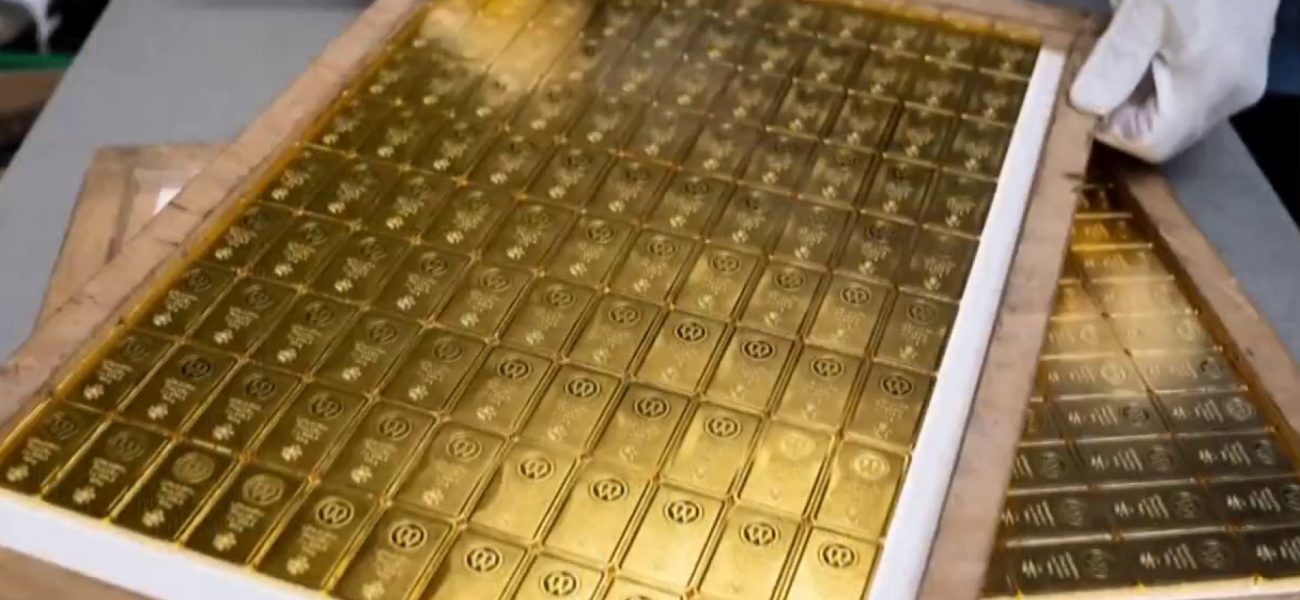
POLICY WIRE — Washington, D.C. — Imagine the inventory control. Not of intelligence assets or state secrets, but of physical, glinting wealth—enough to make even the most seasoned vault manager blush. This week, an extraordinary claim emerged from the shadows: a former operative for the Central Intelligence Agency stands accused of socking away some 300 gold bars within his very own abode. It’s a B-movie premise, but this, apparently, is the grittier reality.
The alleged discovery, which hasn’t precisely clarified how one casually misplaces or stashes an entire small fort knox of bullion, raises more than a few eyebrows. And because the individual in question once held the sacred trust of America’s clandestine operations, the whole affair just feels particularly… unexpected. It’s not just a suburban drama; it’s an institutional tremor.
Law enforcement officials are [QUOTE_PLACEHOLDER] currently piecing together the timeline of events. But the sheer volume involved — 300 bars — immediately brings forth uncomfortable questions about sources. Where does an intelligence professional acquire such a payload, assuming the allegations hold any water? And for what earthly purpose? Retirement savings on a grand, highly illiquid scale?
The whisper network within D.C. — a cacophony of speculation and thinly veiled schadenfreude — is buzzing with theories. Some posit it’s simply a spectacular failure of judgment. Others hint at something far more corrosive. And it’s this second vein that sends shivers down the spines of national security purists.
Such a substantial cache of untraceable wealth frequently connects to darker economic undercurrents, illicit flows often touching on regions like South Asia. Gold, in particular, has long been a preferred conduit for moving wealth discreetly, dodging sanctions, and fueling black markets across continents, from Peshawar’s alleyways to Dubai’s financial centers. In 2022, global demand for gold, excluding OTC activity, reached 4,741 tonnes, according to data from the World Gold Council, underscoring its enduring value as a hard asset and, for some, a store of less-than-transparent riches.
For a former CIA officer, a professional trained to analyze and exploit vulnerabilities, to find himself allegedly at the heart of such a glaring financial enigma is an irony too delicious for most observers to resist. One might assume they’d have a more, shall we say, diversified portfolio, or at least a less conspicuous storage solution.
The details emerging from the initial reports suggest [QUOTE_PLACEHOLDER] a labyrinthine path to this alleged discovery. What started as one inquiry seems to have spiraled into an entirely different beast. But let’s be real, it usually does. Investigators are likely scrutinizing every past contact, every deployment, every unusual transaction. They’re also [QUOTE_PLACEHOLDER] exploring any potential international dimensions.
📄 POLICY WIRE WHITEPAPER PUBLISHED: PAKISTAN'S NATIONAL SECURITY POLICY PRIORITIES
👉 READ BY CLICKING HEREWe’ve been reminded, again, that absolute discretion—a hallmark of the intelligence world—can cut both ways. It can shield crucial operations, or it can obscure rather massive personal endeavors, like accumulating enough precious metal to anchor a small yacht. There’s an element of almost audacious secrecy to the allegations, a level of concealment that would, if proven, rival the spy craft itself.
But this isn’t fiction. This is Policy Wire. We’re talking real gold, real questions, and real damage control ahead for an agency already grappling with a public perception that’s always teetering on the edge. They’re going to want to get ahead of this, quickly.
What This Means
This episode, if the accusations hold, isn’t just a sensational headline; it represents a significant dent in the already fragile armor of trust surrounding America’s intelligence community. Politically, it provides potent ammunition for critics of government overreach and illicit activities among former officials, irrespective of guilt. It gives a raw edge to arguments about accountability — and transparency that policymakers perpetually dodge.
Economically, such an alleged stash highlights the persistent allure of hard assets for illicit wealth storage, especially gold. It underscores how easily large sums can be moved outside traditional banking systems, sometimes with unsettling ties to geopolitical hotspots where informal financial networks thrive. In South Asia, where gold smuggling is a perennial challenge, the idea of an American official possibly linked to such asset acquisition raises deeply uncomfortable questions about corruption, influence peddling, and perhaps even clandestine financial flows intended to destabilize regional powers. This isn’t just about one man; it’s about the shadows that connect power and lucre, stretching far beyond suburban American homes.