


The Ghost of ‘Ceasefire’: Gaza’s Silent Slaughter Continues Unabated
POLICY WIRE — Tel Aviv, Israel — Sometimes, the quiet is the most damning sound. It’s the silence that settles after the pronouncements, after the handshake photo ops and the declarations of peace —...

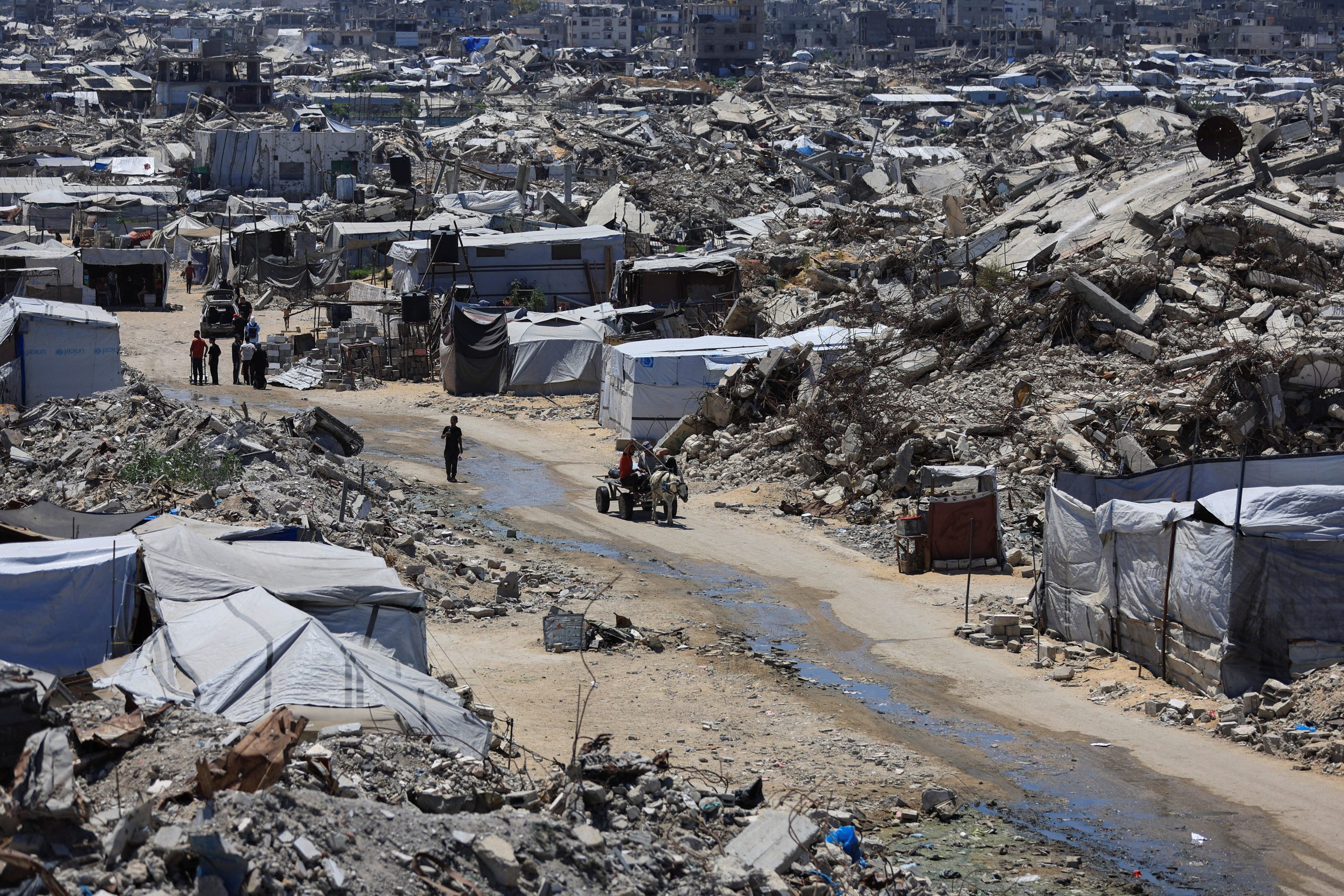
POLICY WIRE — Tel Aviv, Israel — Sometimes, the quiet is the most damning sound. It’s the silence that settles after the pronouncements, after the handshake photo ops and the declarations of peace — the silence that blankets a place where lives are still being extinguished, one by one. Forget the grandiloquent phrases; down in Gaza, the very notion of a ‘ceasefire’ has curdled into a dark punchline for too many.
It’s not just a statistic, though it absolutely is that. It’s a relentless, low-boil attrition that has now seen well over a thousand souls claimed since the official cessation of hostilities, if you can even call it that. This isn’t a return to violence, not really, but an insidious continuity of it, operating just beneath the radar of global attention. We’re talking about deaths accrued not in a swift, devastating surge, but through a grinding, almost administrative brutality. (Awaiting official quote)
But the numbers speak. The latest figures, compiled from local medical sources and human rights organizations, indicate that over 1,000 individuals have lost their lives in Gaza since the official ‘ceasefire’ declaration – a grim statistic detailed in recent reports by the Palestinian Ministry of Health. Think about it. That’s a body count that would ignite a firestorm anywhere else, yet here, it’s relegated to a bureaucratic footnote, barely disturbing the tranquil narratives spun by international bodies.
And let’s be real: how many news cycles does it take for human suffering to become just background noise? It’s like watching a slow-motion car crash unfold over months, where each bump and crunch is an individual life shattered. This relentless tally reveals a grotesque disparity between the political rhetoric emanating from Jerusalem and Cairo, and the lived reality within the Strip.
There’s an unsettling paradox in a ‘ceasefire’ that spawns more casualties than some declared conflicts. This isn’t just about rockets or retaliatory strikes, is it? It’s about a systematic deprivation that makes life precarious, — and death, well, somewhat predictable. For millions across the Muslim world—from Islamabad to Istanbul—this quiet violence echoes the profound frustration with international diplomacy, feeling often like a charade performed for cameras while the actual suffering persists. This enduring state of low-intensity conflict, punctuated by moments of intense horror, breeds cynicism. It erodes any pretense of justice, any flicker of hope for genuine stability in a region already brimming with fault lines. People here—especially those in Pakistan with strong historical and religious ties—are watching, and they’re noting the patterns of impunity.
The machinery of international oversight—often lauded as robust—seems strangely inert here. It’s almost as if the sheer longevity of this ‘situation’ has anesthetized everyone involved. Diplomats shuffle papers; NGOs issue carefully worded pleas; governments offer hollow condolences. But the ground truth, the actual human cost, continues to climb, mocking every single declaration of peace or stability. We’re left wondering: whose peace, precisely, is being negotiated?
It’s an exhausting narrative, to be sure. Yet, it demands our attention. Because the quiet deaths in Gaza aren’t isolated incidents. They’re symptoms of a systemic failure, a corrosive indifference that festers and, inevitably, spills over. It’s an inconvenient truth for those who prefer clean, resolved conflicts. Gaza, though small in geography, serves as a harsh mirror reflecting the broader dysfunctions of power and neglect on the global stage. What happens in these forgotten corners doesn’t stay in these corners, you know?
We’ve seen similar patterns play out—albeit with different motivations—in regions susceptible to economic pressures and political neglect, much like some zones highlighted in discussions on desperation and smuggling routes. The sheer tenacity of survival amidst continuous insecurity shapes entirely different societies. You’ve got to consider what happens when entire generations come of age knowing nothing but this relentless precarity. That’s how resentments ossify, how narratives of grievance become etched into collective memory.
What This Means
The accumulating death toll in Gaza, long past any semblance of a credible ‘ceasefire,’ holds grave political and economic implications that stretch far beyond the immediate conflict zone. Politically, it utterly delegitimizes international efforts to broker peace. It demonstrates a profound lack of enforcement mechanism, rendering agreements moot if one party continuously violates them with apparent impunity. For local populations, particularly those under the constant shadow of potential violence, this erodes trust in any form of governance or international protection. It breeds deep resentment—a potent catalyst for radicalization and future cycles of conflict.
Economically, this ongoing instability is catastrophic. It chokes off investment, stifles any genuine reconstruction efforts, and perpetuates a humanitarian crisis that relies almost entirely on foreign aid. Imagine trying to build a stable economy when basic infrastructure can be destroyed with a whim and the workforce lives under perpetual siege. Businesses can’t plan; individuals can’t invest in their futures. It creates a perpetually dependent populace, an economic dead end that fuels desperation. For countries like Pakistan, deeply engaged with the Palestinian cause, the continued violence, despite nominal ‘ceasefires,’ exacerbates public outrage and puts pressure on governments to adopt more hardline diplomatic stances, complicating broader geopolitical alignments. It also serves as a potent reminder of the unresolved humanitarian questions in the region, resonating particularly in the discourse around diplomatic challenges faced by Muslim-majority nations.