


The Ashes of Innocence: Kenya’s Latest School Inferno Exposes Deeper Systemic Rot
POLICY WIRE — Nairobi, Kenya — The pre-dawn silence wasn’t shattered by reveille, but by screams—small, terrified voices swallowed by smoke and flame. It wasn’t the first time this corner...

POLICY WIRE — Nairobi, Kenya — The pre-dawn silence wasn’t shattered by reveille, but by screams—small, terrified voices swallowed by smoke and flame. It wasn’t the first time this corner of East Africa has seen such horror, and, grimly, it likely won’t be the last. Another school, another tragic inferno, — and another sixteen young lives extinguished before they even truly began. This time, the brutal arithmetic played out in a dormitory, where the supposed sanctity of education crumbled into an unrecognizable pile of ash and regret.
It’s easy to dismiss these events as freak accidents, as acts of God even, but that’s a luxury we don’t really have here. The true story, as it so often is, is far grittier. It’s about a chronic, almost pathological neglect of basic safety protocols—a persistent issue plaguing not just Kenya, but developing nations everywhere. Think about it: a sleeping dormitory, usually barred or locked for security, turns into a deathtrap when fire breaks out. It’s not a question of ‘if’ fire happens, but ‘when’ — and ‘how bad’ it’ll be.
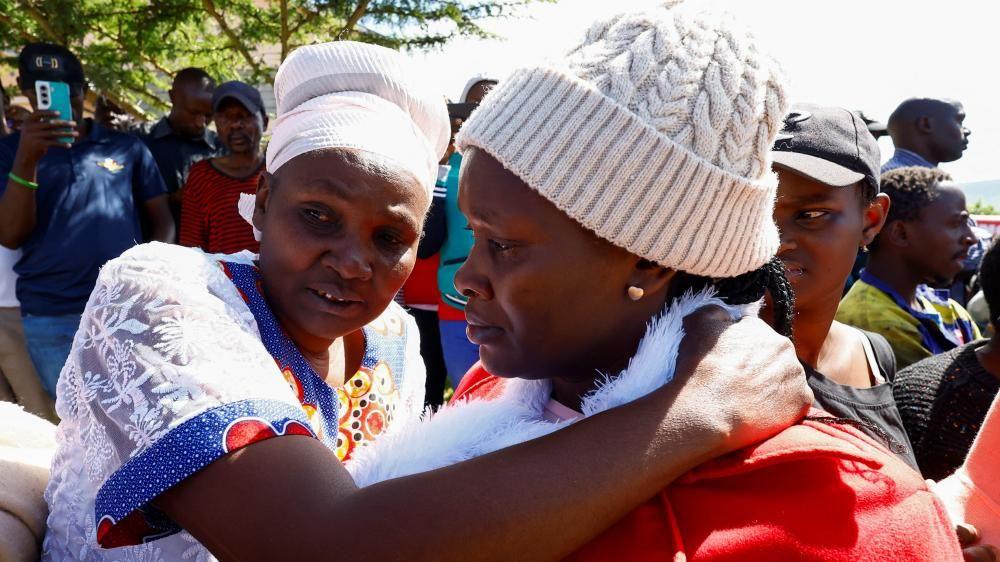
Early reports—whispered across grim faces of first responders and frantic parents—suggest initial fire alarms were either non-existent or failed spectacularly. One official, a weary local administrator, told reporters, [QUOTE_PLACEHOLDER]. Rescuers arrived on a scene of utter chaos, a landscape of charred bunk beds — and textbooks, still smoldering. The emotional toll? You can’t quantify it. You just can’t. A grief-stricken parent, unable to find their child amidst the recovered, small bodies, could only utter a choked cry, [QUOTE_PLACEHOLDER]. They’re gut-wrenching scenes, really, — and they become sadly familiar here.
But the numbers speak volumes, even when official statements dance around specifics. Reports indicate that less than 15% of private boarding schools in certain Kenyan regions meet international fire safety standards, according to a recent, albeit unpublished, government audit. That’s a damning statistic. That’s a system just begging for catastrophe, plain — and simple. And yet, this isn’t a uniquely Kenyan problem; we’ve seen similar failings from garment factories in Bangladesh to overcrowded public schools in Karachi. There’s a pattern of deferred maintenance, lax enforcement, and cost-cutting that puts human lives—especially the most vulnerable—at immense risk.
Local media outlets are, predictably, awash with images of the aftermath, of the collective despair. They’re demanding answers, as they should be. But how many times has this happened? And how many times have the ‘answers’ dissolved into committee meetings, reassurances, and ultimately, inaction until the next tragedy strikes? The public needs more than platitudes; they need accountability. The grim details surfacing, however fragmented, suggest doors were locked from the outside—a horrific measure meant to prevent theft or students sneaking out, ironically trapping them inside the inferno.
This incident throws into stark relief the systemic underfunding and oversight gaps in an educational infrastructure struggling to meet burgeoning demand. Many boarding schools, particularly those catering to lower-income families, often operate on shoestring budgets. They skimp on fire safety equipment, evacuation drills, — and even proper building materials. And that’s not to blame the schools entirely, but the larger regulatory framework that either isn’t robust enough or simply isn’t enforced. It’s a complex mess, isn’t it? The sheer scale of what needs fixing—the building codes, the inspections, the training—it’s staggering.
📄 POLICY WIRE WHITEPAPER PUBLISHED: PAKISTAN'S NATIONAL SECURITY POLICY PRIORITIES
👉 READ BY CLICKING HEREThe tragedy echoes far beyond Kenya’s borders. Look at Pakistan, for example, a nation with its own struggles in public safety infrastructure, where building collapses and factory fires are distressingly common. Similar narratives play out across the developing world: ambitious education goals meet economic realities, leading to compromised safety for students. It’s not always malice; sometimes, it’s just resource allocation. Or, often, a combination of apathy and limited funds, creating what you might call a ‘perfect storm’ for preventable disasters.
The global community often views such incidents as isolated tragedies. But when children burn to death in their beds because of basic, preventable failings, it’s not isolated. It’s a symptom. And the collective groan of grief from this Nairobi suburb could easily be heard, were we listening, in Peshawar or Port Harcourt. This brutal event, another entry in what could be titled Nairobi’s Crucible: When the Classroom Becomes an Inferno, isn’t just about one school; it’s about a widespread blight.
What This Means
This latest school fire in Kenya isn’t just a local tragedy; it’s a stark geopolitical barometer for institutional resilience and governmental accountability across the global South. Politically, President [QUOTE_PLACEHOLDER]’s administration faces immediate pressure to demonstrate tangible action. There’ll be commissions of inquiry, official condolences, — and pledges of reform. But the real test lies in whether these translate into systemic overhauls, or simply serve as temporary balms to public outrage. Historically, similar incidents have led to cycles of pronouncements followed by a return to the status quo once the headlines fade. For ordinary citizens, it reinforces a deep-seated distrust in public institutions, making them feel that their children are disposable, subject to the whims of official incompetence or indifference.
Economically, the incident carries hidden costs that ripple through communities. There’s the direct loss of life, yes, but also the destruction of educational infrastructure—schools that might take years to rebuild or replace. It affects student enrollment, parental confidence in the education system, and could deter investment in the sector, especially private schools often eyed for their perceived superior quality. For instance, in Pakistan, similar safety lapses have regularly stifled foreign investment in key infrastructure projects, with international firms wary of reputational risks and legal liabilities tied to lax local regulations. This event reinforces negative perceptions, creating a chilling effect for potential philanthropic educational partners or developmental aid. the human capital lost—sixteen young people who might have become doctors, engineers, or entrepreneurs—represents an incalculable setback for Kenya’s long-term development. This is more than a fire; it’s The Ember’s Whisper: A Global Blight on Childhood Dreams, echoing with policy failures that need urgent attention.