


Nairobi’s Crucible: When the Classroom Becomes an Inferno
POLICY WIRE — Nairobi, Kenya — The dawn cracked, as it always does in Nairobi, a smear of indifferent gold over the city’s frantic sprawl. But this morning, for sixteen families, the light...

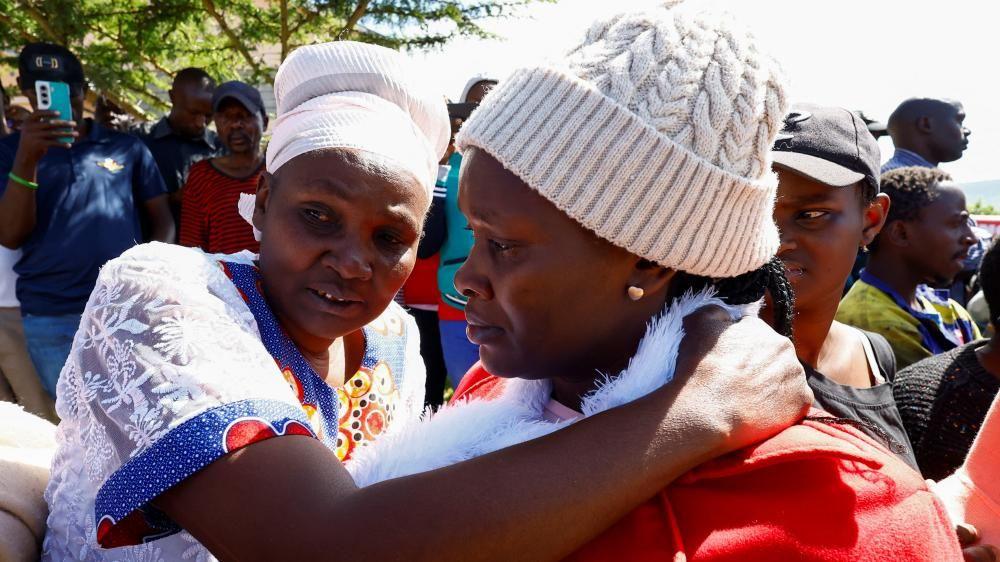
POLICY WIRE — Nairobi, Kenya — The dawn cracked, as it always does in Nairobi, a smear of indifferent gold over the city’s frantic sprawl. But this morning, for sixteen families, the light carried the sickening stench of smoke, of dreams scorched before they could fully form. Not another traffic pile-up, not another political spat—but the screams of children caught in an inferno. It’s a gut-wrenching scene, a visceral indictment of neglect hiding beneath the gloss of progress in rapidly urbanizing nations.
Early reports sketched a grim picture: a dormitory at a private school, built probably on the cheap and certainly not to code, engulfed in flames while its young occupants were fast asleep. Rescuers arrived, undoubtedly heroic, but to a charnel house. Six additional pupils are fighting for their lives, their small bodies ravaged by burns — and smoke inhalation. We’re talking children here—kids whose biggest worry yesterday was perhaps a math test, or finding a stray ball. Now? Well, now they’re gone.
This isn’t an isolated incident. Not by a long shot. Across Africa, indeed throughout much of the developing world, the push for education often overrides, or simply ignores, the fundamentals of safety. Communities desperate for schooling for their kids flock to any institution, legitimate or not, that promises a path to a better future. But these promises frequently pave a road to disaster. Because, let’s be honest, corners are cut. Always. Whether it’s shoddy wiring, a lack of emergency exits, or an absence of fire extinguishers, the underlying rot is the same: a profound disregard for young lives.
David Mbuvi, Kenya’s Permanent Secretary for Education, voiced a familiar refrain from his government office—a place I’d bet has fully functioning smoke detectors. “It’s a stark reminder, isn’t it? Our children deserve better,” Mbuvi reportedly stated. “We’re grappling with explosive population growth and resource scarcity, but these preventable tragedies… they chip away at our national soul. We must act decisively.”
But how decisive? Aisha Hussein, a firebrand local community advocate from the Nairobi district where the blaze occurred, scoffed at the official pronouncements. “Year after year, promises. And year after year, more mothers weep,” she told Policy Wire, her voice raspy with indignation. “We don’t just need schools; we need *safe* schools. But tell me, who’s watching the contractors? Who’s enforcing the rules when half the officials have their palms greased? This isn’t an accident; it’s systemic negligence, plain and simple.” Her frustration, I can tell you, felt authentic, not performative.
And she’s not wrong. The systemic issues plaguing educational infrastructure aren’t unique to East Africa. In places like Pakistan, particularly in its sprawling, unregulated madrassas and private schools, similar dangers lurk. Only last year, a hostel fire in Karachi claimed a dozen lives, predominantly young boys from rural areas seeking religious education. The narratives, sadly, echo each other: poverty-driven enrollment in sub-standard facilities, lax regulation, and a government response that’s often more reactive than proactive. It’s a global blight on childhood dreams. It truly is.
📄 POLICY WIRE WHITEPAPER PUBLISHED: PAKISTAN'S NATIONAL SECURITY POLICY PRIORITIES
👉 READ BY CLICKING HEREConsider the raw data: an investigation by the Kenyan Ministry of Education in 2021 found that over 60% of private primary schools in Nairobi’s informal settlements operated without proper safety certification, often converting residential structures into educational facilities overnight. This isn’t just bureaucratic red tape; this is a clear and present danger to millions of children, parents desperate enough to overlook crumbling walls for the promise of a classroom.
What This Means
This latest tragedy in Nairobi isn’t just about a fire; it’s a searing metaphor for the political and economic realities gripping developing nations. Politically, it exposes the chasm between stated governmental commitment to education and the reality of enforcement, often hobbled by corruption and a lack of political will. Leadership, especially at the local level, finds itself caught between an impossible mandate—educate everyone—and the practical, sometimes distasteful, implications of doing so safely and equitably. When resources are stretched thin, public safety often becomes an easy casualty. No one wants to spend money on regulations or inspectors, do they? It’s not glamorous.
Economically, these fires are symptomatic of runaway urbanization, where cities like Nairobi struggle to provide basic infrastructure and services for their mushrooming populations. Informal settlements expand faster than government planning can cope, giving rise to unregulated markets for everything from housing to education. These ‘ghost’ institutions operate in the shadows, fueled by parental aspiration and facilitated by official blindness, sometimes deliberate. The consequence? Human lives are valued less than the marginal cost of a fire escape or proper electrical wiring. And that, dear reader, is a savage commentary on the market’s ruthless efficiency in the absence of robust governance. It speaks volumes, doesn’t it, about where children stand in the grand scheme of economic priorities. One could argue it’s less an ‘accident’ and more an ‘outcome.’ Because sometimes, that’s what unchecked economic fervor delivers—a casualty report.