


The Beautiful Game’s Brutal Truth: From Vallecas’s Valiant Fall to Barça’s €70M Gamble
POLICY WIRE — Madrid, Spain — It’s a strange thing, this global game. One moment, raw, unvarnished emotion spills from every newsstand, the very soul of a working-class neighborhood laid bare in its...

POLICY WIRE — Madrid, Spain — It’s a strange thing, this global game. One moment, raw, unvarnished emotion spills from every newsstand, the very soul of a working-class neighborhood laid bare in its bittersweet defeat. The next, a corporate juggernaut casually drops a king’s ransom on a talent acquisition, celebrated with champagne-bubble enthusiasm across hundreds of miles. Thursday morning in Spain wasn’t about unified national cheer—no, it was a tale of two cities, two very different visions of what victory, and frankly, sport itself, means.
Down in Madrid, the ink was barely dry on headlines lamenting Rayo Vallecano’s European adventure ending in heartbreak. The club, a proud, gritty institution from the city’s Vallecas district, had faced Crystal Palace in a European final. They lost. One-nil. To a lone goal from Mateta, they tell us. But here’s the kicker: the defeat wasn’t draped in shame. Not really. The narrative spun by dailies like MARCA — and AS spoke less of failure, more of heroic struggle. MARCA ran with a headline in capital letters: “Sad, but proud”, hammering home the club’s unprecedented journey to a European final.
AS, it had a different vibe. More tear-jerking, shall we say? Their front page splashed an image of players like Camello and Pathé Ciss, looking out at stands packed with fans, proclaiming: “Despite everything… it was worth it”. This wasn’t just about football; it was about identity, a defiant roar from the periphery against the glittering centers of power. And even the Catalan press, those fierce rivals, managed to offer a respectful nod. Mundo Deportivo, they noted: “Rayo fall with honor,” while Sport stated that Crystal Palace “denies Rayo European glory.” You gotta appreciate a bit of class, even when your regional loyalty begs you not to.
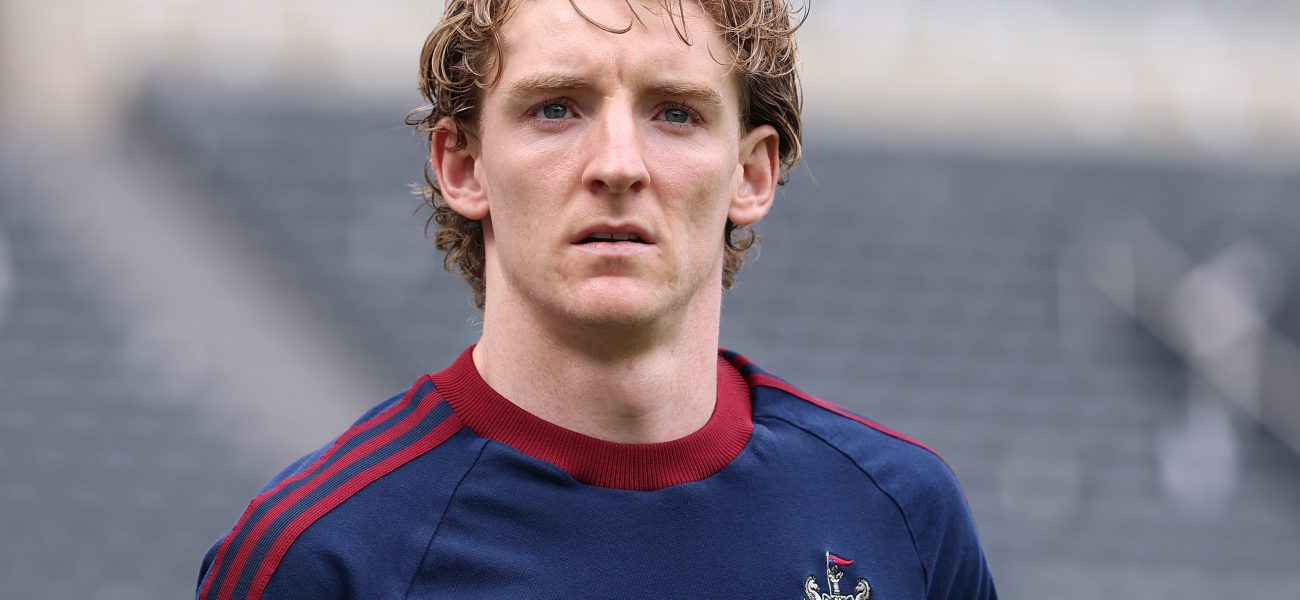
Because just a few hundred kilometers away, in the heart of Catalonia, the mood, let’s be honest, swung from stoicism to outright revelry. Barcelona, see, wasn’t dwelling on any valiant defeats. They were celebrating a heist, a power move. The confirmation of Anthony Gordon’s signing from Newcastle was met with a roar. Mundo Deportivo didn’t pull any punches: “Gordon, signed”. An “express deal,” they called it. You know, just a paltry 70 million euros fixed plus another 10 million in variables tied to trophies for a 25-year-old English winger, apparently. Five seasons. Boom. Done. He’s set to land in Barcelona today before joining up with the England squad for World Cup prep. Sport took the same aggressive, celebratory angle, showing the man himself in a Magpies shirt, as if he’d just signed his allegiance right there on the pitch. They’re hailing him as the [QUOTE_PLACEHOLDER] Quite the forward-looking plan, isn’t it?
But the numbers are eye-watering, even by the standards of today’s inflated transfer market. Barcelona, a club recently grappling with colossal debts and FFP restrictions, splashing out potentially 80 million euros for a single player? It makes you wonder. Where’s the money coming from? Or rather, who’s providing the collateral for such fiscal gymnastics? It certainly highlights the economic disparity inherent in the global game, doesn’t it?
In contrast, this extravagant spending could feel almost grotesque to some—say, for those in Karachi, where economic struggles are a daily reality. Think about it: that 70 million Euros fixed payment, let alone the variables, could fund dozens of significant infrastructure projects, like establishing clean water access or expanding educational facilities across swathes of the Sindh or Balochistan provinces. Just one star player’s transfer fee could literally change the lives of millions, an investment that would yield returns far beyond any trophies.
📄 POLICY WIRE WHITEPAPER PUBLISHED: PAKISTAN'S NATIONAL SECURITY POLICY PRIORITIES
👉 READ BY CLICKING HEREThe sheer velocity — and volume of such transfers also reflect a broader geopolitical game. Money, often from Gulf states or other ultra-wealthy entities, increasingly underpins European football. According to a 2023 report by Deloitte, global transfer spending in men’s football surged by 30% from the previous year, reaching a record €7.36 billion. A staggering amount, making Barcelona’s outlay just one piece of an ever-expanding, opulent pie. That financial leverage, sometimes backed by national interests, dictates everything from club ownership to player acquisitions. And it sure doesn’t stop at the pitch lines.
And because clubs like Barcelona chase global appeal—and lucrative sponsorship deals—they must secure talent at any cost. It’s a marketing expense, a strategic play to maintain relevancy and generate revenue streams that justify the initial outlay. It’s not just about winning titles; it’s about selling jerseys, drawing international viewership from markets stretching from Tokyo to Tehran, and bolstering the brand. Sometimes, the ‘beautiful game’ is simply another facet of cold, hard capital at work.
What This Means
The dichotomy visible on Thursday’s front pages offers a telling glimpse into modern football’s political economy. On one side, we’ve got Rayo Vallecano, representing the enduring romance of regional identity — and fan loyalty. Their struggle, their pride in falling with honor—it’s what many old-school aficionados believe football *should* be about. It’s grassroots; it’s community. That club likely sustains itself on local support, broadcast rights, — and modest sponsorship deals. It’s not just a team, it’s a living, breathing part of the Vallecas neighborhood, a social and emotional hub.
But on the other side, Barcelona’s audacious, costly capture of Anthony Gordon speaks to the sport’s transformation into a truly globalized, corporatized spectacle. This isn’t a humble affair; it’s a move designed to generate billions, to solidify a brand’s position at the apex of sports entertainment. The implied promise for the 2026/2027 season underlines this long-term commercial strategy. They’re investing in human capital like any multinational corporation would, viewing players as assets, their contracts as future dividends. The economic implications are stark: clubs that can’t compete on this financial tier are increasingly relegated to being feeders or perpetual underdogs, relying on sentimental stories and infrequent upsets like Rayo’s run. It’s a stark reminder that while the game is played with a ball, the real power often resides in the balance sheets—and the strategic, sometimes cold, decisions made far from any stadium.