


Roswyn’s Debut: Mumbai’s New Luxe Enclave and India’s Uneasy Economic Paradox
POLICY WIRE — Mumbai, India — The cacophony of Mumbai’s bustling streets, a perpetual symphony of ambition and striving, momentarily gives way to a different kind of hum—that of chilled air...

POLICY WIRE — Mumbai, India — The cacophony of Mumbai’s bustling streets, a perpetual symphony of ambition and striving, momentarily gives way to a different kind of hum—that of chilled air conditioning and curated quietude. But what does the unveiling of yet another exclusive address in India’s financial capital really signify beyond polished brass and bespoke cocktails? We’re talking about Roswyn, you see, a new player arriving on the scene, flaunting its high-end pedigree.
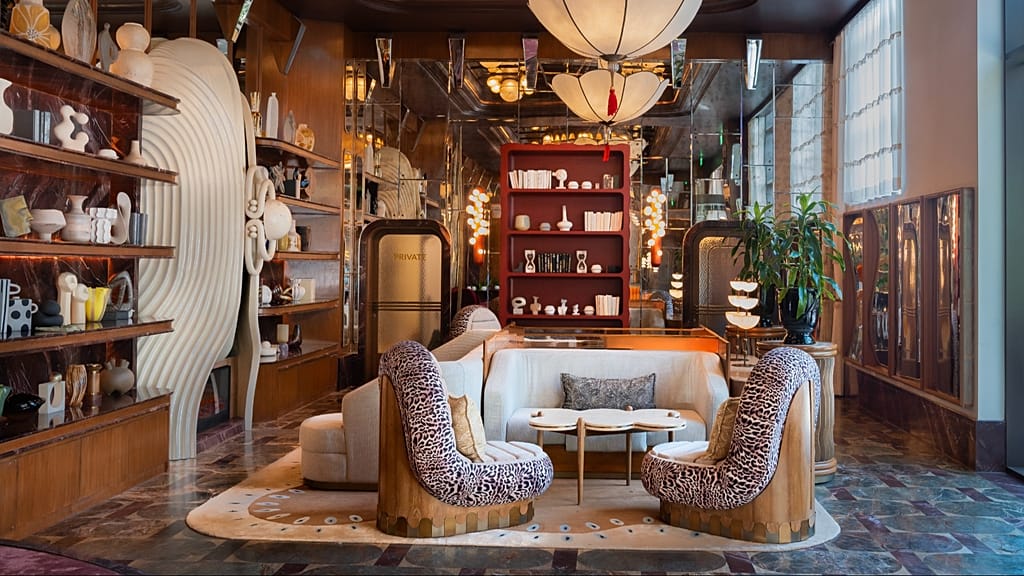
It’s not just another hotel opening; it’s a statement. And Roswyn isn’t whispering; it’s practically declaring, from its slick listening bar to its so-called wellness initiatives, that Mumbai isn’t just about the millions, it’s about the very few who can afford to be utterly unbothered by them. They’re positioning this spot as [QUOTE_PLACEHOLDER] – the kind of place where ‘lifestyle’ isn’t just a buzzword, it’s the entire marketing spiel. Suites aren’t just rooms; they’re experiences, or so the pitch suggests. They’ve invested in the idea that urban retreat means stepping completely outside the reality that churns just blocks away.
Because let’s be blunt: Mumbai, a city of unimaginable wealth and crushing poverty, seems to constantly expand its appetite for these enclaves of extravagant comfort. The property, with its stated dedication to a certain clientele, seems to suggest a global homogenization of high-end experience, an aspiration perhaps more common to Dubai or even London than the nuanced grit of Maharashtrian soil. And frankly, who can argue with a good listening bar? Still, one can’t help but wonder about the delicate balance between progress — and parity in such developments.
But this isn’t just about India. Roswyn’s presence echoes across the wider South Asian economic landscape. While Mumbai builds shimmering temples to hospitality, countries like Pakistan are grappling with infrastructure challenges and differing foreign investment priorities. Both nations are part of a shared history, but their economic trajectories, at times, diverge sharply. The flow of international capital, often lured by India’s robust domestic market and burgeoning middle class (and its even more burgeoning ultra-rich), tends to bypass some of its neighbors. This divergence isn’t just about political stability; it’s about perceived market opportunity. India’s sheer size, of course, plays its part. And we’re seeing that play out with every new high-rise — and luxury boutique.
You’ve got to admire the sheer scale of ambition. But it’s an ambition that often paints a stark contrast between those who design, those who build, and those who can eventually afford to stay. The property’s designers and operators, you can bet, believe they’re tapping into something substantial—a sustained demand for luxury experiences. But is it really ‘sustainable’ when you consider the larger ecosystem? According to a report by Statista, the Indian luxury hotel market is projected to reach approximately $6.2 billion by 2027, growing at a compound annual growth rate of 7.2%. That’s a considerable chunk of change, reflecting a deep, perhaps even growing, segment of high-net-worth individuals, both domestic and international.
And those numbers don’t lie about where investment dollars are flowing. Roswyn seems geared towards that high-end slice of the market—folks who’ve made their fortunes in everything from tech to textiles, and probably, also in real estate. It’s an economy, after all, built on many pillars, some seen, some less so. For an outfit like Policy Wire, these launches aren’t just travel news; they’re economic indicators, little data points that show you precisely which way the financial winds are blowing through a nation always, always in flux.
📄 POLICY WIRE WHITEPAPER PUBLISHED: PAKISTAN'S NATIONAL SECURITY POLICY PRIORITIES
👉 READ BY CLICKING HEREWhat This Means
The arrival of establishments like Roswyn carries more weight than just lavish interiors — and impeccable service. Economically, it signifies India’s unyielding upward trajectory for its wealthiest citizens and a clear signal to global investors. We’re seeing foreign — and domestic capital confidence here, a belief in India’s consumption power at the top tiers. But it also exacerbates the conversation around income disparity, that grand old theme in modern India. A sprawling, highly personalized hotel in Mumbai doesn’t exist in a vacuum. It lives right next to chawls, right next to the daily grind that defines the vast majority of its residents.
Politically, these developments often serve as both aspirational symbols — and potential flashpoints. Governments want to showcase economic growth, they want those glittering skyscrapers and world-class facilities because it projects an image of a ‘new India’ on the global stage. It’s part of the national branding, for good or ill. Yet, the disparity these symbols highlight can fuel populist rhetoric and social unrest—a tension always simmering beneath the surface in democracies grappling with rapid development. Just look at the broader context of urban development — and inequality across the subcontinent. From the sprawling urbanizations around Lahore to the mega-projects dotting the Gulf, there’s a constant negotiation of public good versus private luxury.
These luxury plays also redefine what a ‘global city’ means in the South Asian context. Mumbai isn’t just a regional powerhouse anymore; it’s aspiring to rub shoulders with Singapore and Shanghai, if it isn’t already. But how do you achieve that without alienating the very foundation of your society? It’s a perennial question, one that Brussels itself wrestles with in its engagement with the Global South. This Roswyn, then, is a bellwether, a small, very polished indicator of a much larger, more complex economic and political story playing out in real-time. It’s never just about a new bed and breakfast—not in Mumbai, not ever.