

Silent Echoes of War: A WWII Bomb, Sacred Land, and the Perennial Cost of Conflict
POLICY WIRE — Washington D.C. — An unexpected quiet settled over Badger Butte last week, not of peace, but of the final cessation of a nearly century-old threat. It wasn’t some new geopolitical...

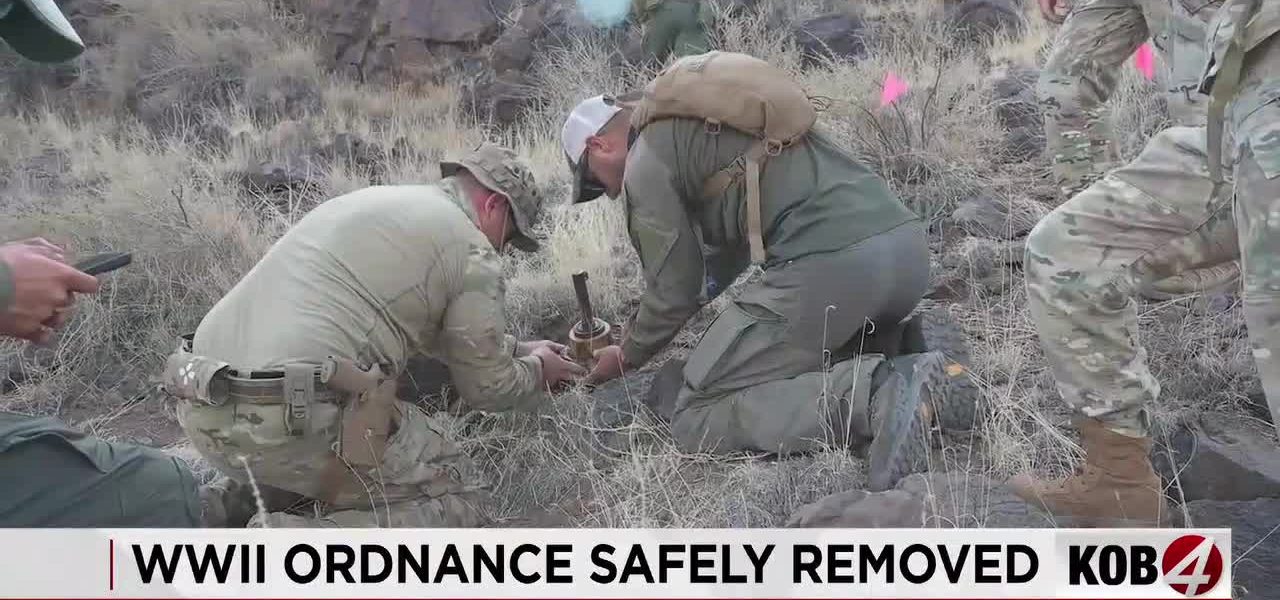
POLICY WIRE — Washington D.C. — An unexpected quiet settled over Badger Butte last week, not of peace, but of the final cessation of a nearly century-old threat. It wasn’t some new geopolitical squabble making headlines; no, it was the methodical disentangling of America’s past from its present, a ghost of World War II finally coaxed from sacred ground. A mere practice bomb, really, yet its stubborn embeddedness for decades speaks volumes about war’s relentless, unquantifiable costs.
See, this wasn’t some urgent dash. This whole thing kicked off in March 2025 – well, according to Master Sgt. Scott Underdahl, 377 EOD section lead, I am pleased to declare the completion of the Acoma Eagle Nest Permit and UXO saga that started all the way back in March 2025. Which, you know, is quite the head-scratcher since it’s 2024 right now, but hey, maybe he’s just planning way, way ahead, or someone got their wires crossed. Still, it highlights a lengthy engagement, the kind you don’t typically see for inert ordnance unless there’s something else at play. And there absolutely was. You’ve got protected wildlife, ancestral lands, — and the sheer logistical nightmare of unburying history.
For more than a year, explosive experts from Kirtland Air Force Base had been meticulously coordinating, treading lightly across the terrain of the Acoma Pueblo. It wasn’t just a military operation; it was a diplomatic dance with tribal leaders and environmental scientists, a nuanced negotiation of past damage and present reverence. The bomb, a remnant from a global conflict that formally ended in 1945, was sitting, quite inconveniently, near a protected eagle nest. So, yeah, it became a careful game of protecting both a delicate ecosystem — and the legacy of Indigenous land use.
It’s not just some anomaly. During World War II, the military decided to carve out massive training grounds in New Mexico’s sprawling desert landscapes. They practiced here. They tested here. And they left stuff behind. Lots of stuff. Call ’em “legacy hazards” – munition — and equipment that never got tidied up. It’s a forgotten aspect of modern warfare: the residue. The long, silent echoes that demand future generations, often local communities, pick up the pieces, sometimes literally explosive ones.
And that’s a real problem, stretching far beyond the desert training grounds of the American Southwest. Consider Pakistan, for instance, particularly its border regions or areas that have seen military operations. The remnants of past conflicts, whether from regional wars, insurgency, or even outdated armaments, pose an insidious threat. Farmers inadvertently unearth old shells; children mistake grenades for toys. The human toll can be catastrophic, and the economic burden of survey and clearance programs falls disproportionately on already strained economies.
Globally, the Landmine and Cluster Munition Monitor recorded over 15,000 casualties from mines and explosive remnants of war (ERW) in 2022 alone, with civilians accounting for a staggering 85% of those victims. That’s a hard number, not a theory. It’s folks losing limbs, lives, — and livelihoods because of somebody else’s unfinished business decades ago. And it makes you wonder: who really cleans up after the big guys are done fighting? Who carries that perpetual weight?
📄 POLICY WIRE WHITEPAPER PUBLISHED: PAKISTAN'S NATIONAL SECURITY POLICY PRIORITIES
👉 READ BY CLICKING HEREThis particular removal, according to officials, went off without a hitch. As Master Sgt. Underdahl stated, Everything went smoothly and, most importantly, it was a safe operation. A smooth operation, mind you, that took more than a year to conclude, involving not just soldiers, but Indigenous authorities and environmental watchdogs. But this lengthy effort wasn’t just about an old bomb. Underdahl also said it gave them real-world training in a complex — and rugged environment. That’s probably true, no argument there. But it’s also a poignant reminder of obligations incurred, debts left unpaid, and the perpetual quiet heroism of those who navigate the physical and political landmines of history.
This little tale of an old bomb in New Mexico, believe it or not, ain’t an isolated incident. There are thousands of sites across the US alone, not to mention everywhere else, where the discarded tools of war wait. They’re just sitting there, sometimes for generations, waiting to be rediscovered by a curious child, a builder, or, in this case, an unfortunate eagle.
What This Means
The Acoma Pueblo incident, while seemingly localized, shines a spotlight on several political and economic dimensions that often fly under the radar. Politically, it re-emphasizes the enduring sovereignty and stewardship role of Indigenous nations over their traditional lands. That military experts couldn’t simply waltz in and remove the ordnance underscores the power of tribal governance and the necessity of true partnership, not just token consultation. The environmental considerations, particularly the protected eagle nest, highlight how national defense activities can have lingering ecological impacts, necessitating an intersectional approach to cleanup and conservation that transcends traditional bureaucratic silos. It also spotlights a broader national issue: the U.S. government’s ongoing, decades-long responsibility to clean up military-contaminated sites, an expensive and often drawn-out affair.
Economically, these legacy hazards represent a substantial financial drain. Every bomb, every toxic waste dump on a former military installation, every piece of unexploded ordnance (UXO) necessitates public expenditure – sometimes millions per site – for remediation, monitoring, and crisis management. This diverts funds that could otherwise go to infrastructure, education, or healthcare within communities. For tribal nations like the Acoma, the presence of UXO not only poses direct dangers but also limits economic development, as contaminated land is difficult to develop for housing, agriculture, or tourism. It’s a subtle but persistent tax on progress. From a global perspective, particularly in conflict-affected regions such as parts of South Asia or the Middle East, the economic consequences are dire. Agricultural land remains unusable, vital infrastructure projects are stalled due to clearance costs, and human capital is lost or damaged by accidents. The cleanup of war’s debris is never truly factored into conflict budgets, leaving generations to shoulder an uninvited economic burden. But we’ve got to start acknowledging it. And we’ve got to do more about it.