


Midwest Mayhem: Baseball Blowout Belies Broader Systems Under Strain
POLICY WIRE — Chicago, USA — One expects a certain level of chaos in the spring—a flurry of parliamentary maneuvers, perhaps a fresh currency fluctuation, maybe even an unexpected monsoon. What one...

POLICY WIRE — Chicago, USA — One expects a certain level of chaos in the spring—a flurry of parliamentary maneuvers, perhaps a fresh currency fluctuation, maybe even an unexpected monsoon. What one doesn’t quite brace for, however, is the utterly abject capitulation of an entire professional athletic enterprise, unraveling not incrementally, but with the dizzying velocity of a falling domino chain, live and unfiltered before a national audience.
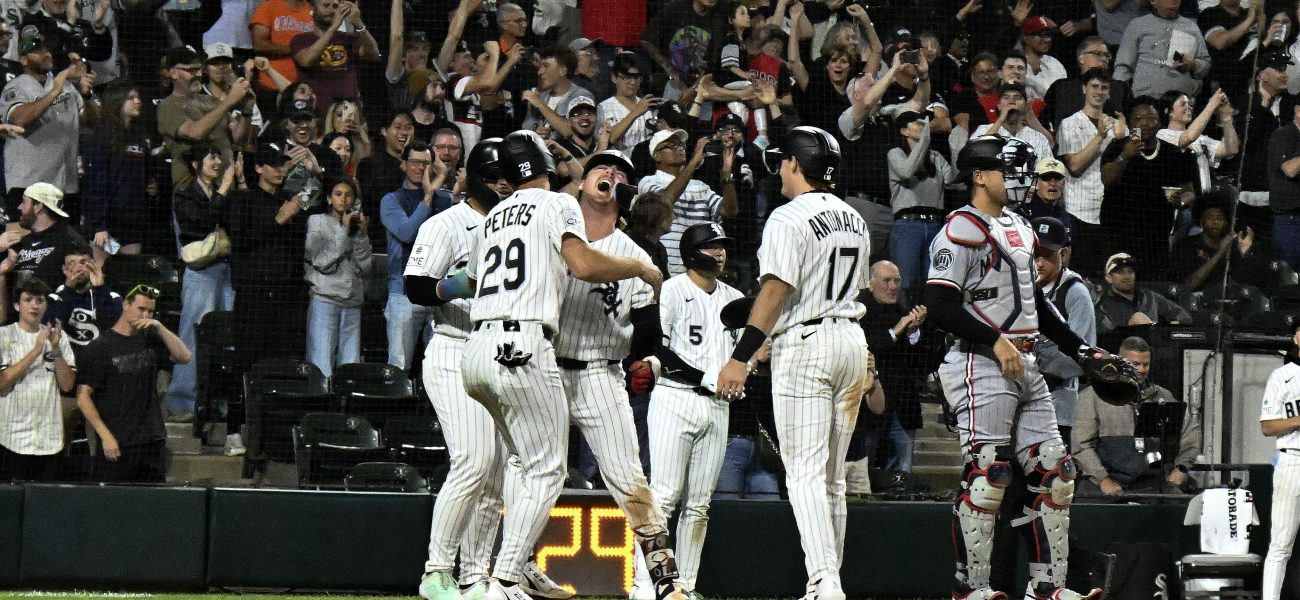
No, we’re not dissecting another ill-fated bailout package or the geopolitical implications of a grain shipment bottleneck, but rather the aftermath of a particularly brutal baseball encounter where the Chicago White Sox delivered a pulverizing 15-2 rebuke to the Minnesota Twins. The score itself, while indicative of imbalance, doesn’t quite capture the psychological chasm that opened, swallowing the visiting team whole. It was less a game, more an impromptu surgical theater, with the Twins playing the patient, sans anesthesia.
It began—or, more accurately, deteriorated—with an ominous efficiency that would make even the most ruthless corporate restructuring consultant nod in grim approval. A succession of batters strode to the plate for the Twins, only to register outs with an almost choreographed futility. Meanwhile, the White Sox—perhaps sensing the fragility in their opponents’ ranks, or simply relishing the moment—piled on runs with the clinical detachment of a bond trader cornering a distressed asset. Home runs weren’t mere occurrences; they were pronouncements, exclamation points punctuating a narrative of absolute dominance.
“We thought we had a solid plan going into that series,” conceded Rocco Baldelli, manager of the Minnesota Twins, in a post-game briefing that felt less like a debrief and more like a post-mortem. “You prepare for every scenario, every pivot. But then there are nights like this where it feels like the universe just… sighs. It’s a gut-punch, no doubt. But we’re paid to analyze, to adapt, not just lament.” His words, stripped of their usual managerial bravado, offered a glimpse into the raw frustration of a leader watching his strategy dissolve into ignominy.
And one can’t help but ponder the sheer fragility of meticulously constructed plans when faced with such unforeseen—or perhaps simply ignored—weaknesses. It brings to mind, in a more somber context, the sudden, overwhelming economic shocks that have periodically hobbled emerging economies like Pakistan’s, where external factors can swiftly erase years of painstakingly built resilience. Think of a nation making incremental progress, only to be walloped by a sudden spike in oil prices or a geopolitical disruption, wiping out years of hard-won economic gains. The Twins’ performance that night—or lack thereof—echoed such a precipitous unraveling.
Data from Baseball Reference indicates the Minnesota Twins entered that particular contest boasting a team batting average of .248—a respectable if not scintillating figure. Yet, on Wednesday, they managed a paltry .095. A precipitous 61.7% drop in offensive output from their season average in a single night—a performance metric that, in any other industry, would spark a full-scale corporate audit and perhaps a few abrupt resignations.
📄 POLICY WIRE WHITEPAPER PUBLISHED: PAKISTAN'S NATIONAL SECURITY POLICY PRIORITIES
👉 READ BY CLICKING HEREThe White Sox, for their part, maintained a detached, almost professional, posture of victory. “Credit to our guys, they executed the game plan we put together. You can’t ask for much more,” remarked Chicago General Manager Chris Getz, his tone measured, almost academic. “But you know, we don’t dwell on individual games. Every day presents new challenges, new battles, and we’ve seen too many seasons shift quickly to get complacent after one performance. There’s always tomorrow’s grind.” It was a classic understatement, the kind you hear from someone who just seized a significant, unexpected advantage but wants to avoid drawing undue attention to the opponent’s catastrophic failure.
But the stark reality is that such blowouts don’t just happen; they’re symptomatic. They’re a vivid manifestation of deeper fissures—strategic miscalculations, collective psychological fragility, perhaps even fundamental talent discrepancies—all converging at a single, unfortunate nexus. It wasn’t just a bad day; it was a brutal demonstration of a system breaking down under minimal pressure. You see these kinds of dramatic shifts in the fortunes of even the most well-funded enterprises.
What This Means
This incident, far from being an isolated sports anomaly, serves as a poignant microcosm for organizational resilience—or the lack thereof. Politically, such an emphatic, public collapse erodes confidence; it doesn’t just impact the fan base, but also corporate sponsors and the civic pride tied to a team’s success. Economically, while one game doesn’t sway GDP, a prolonged downturn for a marquee team can trickle down to local businesses dependent on game-day traffic and merchandising. The complete dismantling observed here might signal systemic issues—be it talent pipeline management, coaching effectiveness, or sheer psychological grit—that warrant more than just superficial analysis. Because when a system fails this spectacularly, it usually points to a predetermined demise of underlying strategy. The kind of internal discord that might arise from such a public humiliation can fracture a team for weeks, perhaps months. It’s less about a game, — and more about leadership navigating a catastrophic loss of face.