

Albuquerque’s Bleeding Pavement: Justice Slow-Walks for a Slain Motorist
POLICY WIRE — Albuquerque, New Mexico — It’s a familiar, bleak dance, played out on concrete and stained asphalt, beneath the relentless sun. Another day, another court appearance, another name added...

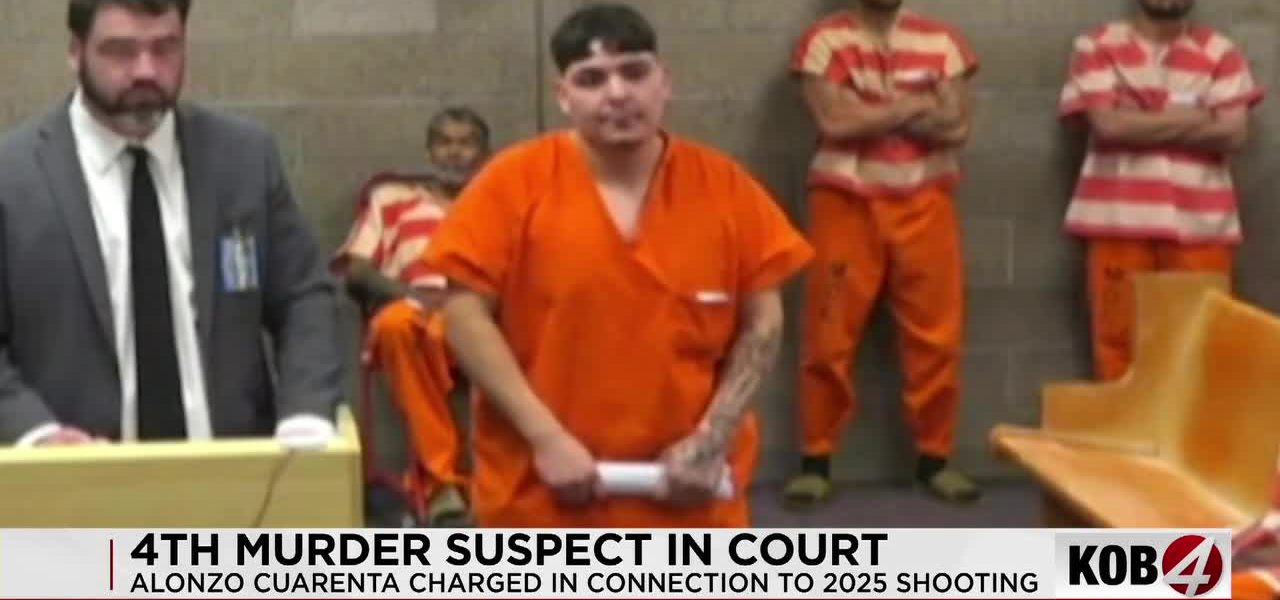
POLICY WIRE — Albuquerque, New Mexico — It’s a familiar, bleak dance, played out on concrete and stained asphalt, beneath the relentless sun. Another day, another court appearance, another name added to a list that, for many, represents little more than a grim tally. You’d think the novelty would wear off, this public performance of accountability, but it doesn’t. Especially not when lives are snuffed out so casually. This week, it was Alonzo Cuarenta’s turn to step into the fluorescent glare of an Albuquerque courtroom, becoming the fourth suspect ensnared in the dragnet of a local robbery that morphed into murder—a trajectory as old as avarice itself.
It’s not just a procedural formality, not a footnote in the daily churn of local news. This unfolding legal drama, with its predictable cycles of arrests, hearings, and protracted legal battles, peels back layers on a wider problem, exposing the often-glacial pace at which justice grinds, everywhere. And really, isn’t that the crux of it? The endless waiting for answers, for closure. It’s a weight that bears down on communities far beyond New Mexico’s high desert, from the sprawling urban centers of America to the tightly-packed neighborhoods of Karachi, where families, too, grapple with similar cycles of violence and the excruciating wait for judicial resolution.
The alleged crime itself? Stark. A robbery. Luis Ortiz, dead. His vehicle—a crumpled testament to a sudden, violent end—crashed near I-40 and Rio Grande. An unscheduled stop, courtesy of a bullet. They say Ortiz was trying to get away. [QUOTE_PLACEHOLDER] But whether flight or fight, the outcome was fatal. [QUOTE_PLACEHOLDER] An all too common narrative, regrettably, echoing the fragility of life when it brushes up against desperation or malice.
Prosecutors, doing their part, are making their demands clear. [QUOTE_PLACEHOLDER] Makes sense, doesn’t it? Keep alleged murderers off the streets while the labyrinthine legal process unfolds. But this isn’t an open-and-shut case, as many initially appear. Oh no. The gears of justice turn with agonizing deliberation. [QUOTE_PLACEHOLDER] This isn’t a quick sprint; it’s a marathon, full of objections, evidentiary disputes, and appeals that stretch into the horizon, sometimes for years. And it leaves victims’ families in a holding pattern, a legal limbo.
Such protracted processes aren’t exclusive to the American legal landscape, of course. Think about the justice system in places like Pakistan, for instance. A 2021 report from the Human Rights Commission of Pakistan noted that almost 66 percent of murder cases in the country remained unresolved or faced significant delays, often stretching beyond three years. So, the concept of a long wait, of justice deferred, isn’t lost on families dealing with similar tragedies thousands of miles away—whether it’s for murder in an American city or sectarian violence in a South Asian megalopolis, the emotional toll, it’s global. That slow churn? It isn’t an abstraction for anyone living through it.
📄 POLICY WIRE WHITEPAPER PUBLISHED: PAKISTAN'S NATIONAL SECURITY POLICY PRIORITIES
👉 READ BY CLICKING HEREThis particular case involves multiple defendants. Four, to be exact. It’s complex, with intertwining testimonies and multiple perspectives—each adding a new knot to untangle. You’d need an atlas to map all the variables, the shifting alliances, the finger-pointing that’ll undoubtedly emerge as pre-trial motions become the new battleground. It’s tough enough pinning blame in a single-suspect crime, but when you’ve got a group, it’s a whole different beast. Who pulled the trigger? Whose intent mattered most? Who instigated, who acquiesced?
And let’s be blunt: the wheels of justice are notoriously unhurried, often choked by overflowing dockets, limited resources, and the meticulous-if-frustrating requirements of due process. There’s a balance, after all, between swift judgment — and careful consideration. It’s an imperfect system, certainly, but it’s the one we’ve got. The hope, I suppose, is that the system, slow and bureaucratic as it’s, eventually arrives at something resembling justice for Luis Ortiz—a hope often deferred, but rarely extinguished.
What This Means
The introduction of a fourth suspect, Alonzo Cuarenta, into this ongoing murder investigation isn’t just about an individual facing a judge; it’s a stark snapshot of urban violence’s systemic nature and the relentless, resource-draining challenge it poses to our legal institutions. What we’re witnessing here is the meticulous, almost ponderous machinery of the justice system as it attempts to process a violent crime—a process that has deep political and economic implications. For the municipality, each protracted trial—especially one involving multiple defendants—strains already tight budgets for prosecution, public defense, and court operations. It’s a financial bleed, really. And those costs ultimately fall back on taxpayers. This isn’t just local news; it’s a blueprint for the socio-legal pressures many global cities face when confronting street crime that then needs to navigate the court system. For communities of color, these events frequently feed a pervasive narrative of unchecked violence, which can corrode social cohesion and faith in governance. And it leads to a collective sense of insecurity—not a trivial thing. And the lengthy judicial delays often inherent in such complex cases don’t just delay punishment; they delay healing for the victims’ families, potentially fueling cycles of frustration or even vigilante impulses, which are always lurking just beneath the surface in any society, even for less grave perceived injustices. this kind of crime impacts public policy discussions around policing, judicial reform, and community-based violence prevention initiatives—pushing politicians to act, or at least pretend to. But often, it’s just another symptom of deep-seated socioeconomic fissures that no single courtroom appearance can hope to mend. Policy-makers, they’ve got their hands full.