


Vatican’s Troubled Inheritance: Pope’s Apology Sparks Global Echoes of Reckoning
POLICY WIRE — Accra, Ghana — For centuries, the shadows of history clung to the opulent vestments of the Roman Catholic Church, a discomforting truth often whispered, rarely shouted: its undeniable...

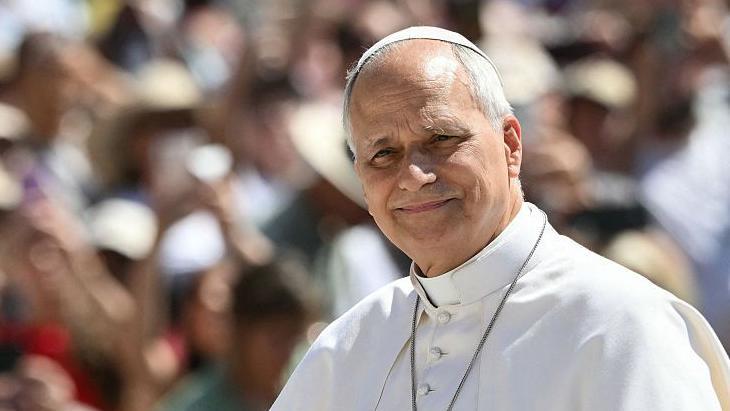
POLICY WIRE — Accra, Ghana — For centuries, the shadows of history clung to the opulent vestments of the Roman Catholic Church, a discomforting truth often whispered, rarely shouted: its undeniable complicity in the brutal transatlantic slave trade. Now, Pope Francis—a man not exactly shy about upsetting ancient apple carts—has stepped forward, offering a heartfelt apology. And Ghana, whose forts once funneled millions into unimaginable misery, has quietly accepted it, but what exactly does that acceptance entail? It’s less a neat closing of the books and more the uncomfortable, complicated opening of a much larger, global conversation.
It’s about time, many would say. The Church, with its universal claims to moral authority, often struggles to reconcile its grand pronouncements with its darker historical chapters. This isn’t just about belated mea culpas; it’s about institutional reckoning, about dragging historical complicity into the glaring light of the 21st century. The apology, offered during the Pontiff’s visit to Canada over Indigenous residential schools—a separate, but tragically similar chapter of institutional harm—echoes louder across continents than perhaps initially intended.
In Accra, the diplomatic niceties quickly kicked in. “While we appreciate the Holy Father’s sincere words, they must serve as a prologue, not an epilogue, to genuine healing,” remarked Dr. Michael Owusu-Ansah, Ghana’s Minister for Culture — and Chieftaincy Affairs, his tone firm, yet measured. “Reparation, in all its forms, remains a debt long overdue, not just a historical footnote. We’re talking about real people, real suffering, — and centuries of systemic disadvantage.”
But how do you ‘repair’ the fabric of history torn so brutally? The sheer scale of the atrocity is staggering. Historians estimate around 12.5 million Africans were forcibly transported across the Atlantic between the 16th and 19th centuries, their lives commodified, their descendants still grappling with the aftershocks. The Catholic Church, despite some later papal condemnations of the practice, certainly wasn’t an innocent bystander for much of that grim period. It often owned plantations, used enslaved labor, — and offered theological justifications for the barbaric trade.
And these days, a spiritual reckoning seems just as important as a financial one for many. For people in predominantly Muslim nations, or even within Pakistan’s complex social landscape, where discussions of historical injustices and accountability from religious institutions can be fiercely debated, this Vatican move offers a potent example. It poses uncomfortable questions about universal ethical standards versus specific historical contexts. Don’t think for a moment this gesture remains confined to Ghanaian soil; its implications are felt by leaders and populations grappling with their own inherited burdens across the Global South. What’s a global faith tradition supposed to do with this baggage? That’s the real conundrum, isn’t it?
Vatican officials, as always, are threading a very fine needle. Monsignor Pietro Bianchi, a spokesman for the Holy See’s Secretariat of State, conveyed the institution’s official stance: “The Holy Father’s expressions of sorrow reflect a profound spiritual recognition of past errors. Our repentance is genuine, aimed at fostering reconciliation and fraternity across humanity.” It’s boilerplate, sure, but it’s boilerplate that acknowledges fault, and that’s new terrain for many.
📄 POLICY WIRE WHITEPAPER PUBLISHED: PAKISTAN'S NATIONAL SECURITY POLICY PRIORITIES
👉 READ BY CLICKING HEREThis isn’t just Ghana. Or Canada. Think about indigenous communities across the Americas, the legacy of colonialism, or the varied calls for restorative justice that ripple through former empires. Every apology, every official acknowledgment of historical wrongdoing, no matter how small, sets a precedent. And this one’s from Rome, from the biggest Christian institution on the planet. That carries weight, whether you’re Catholic or not. It’s a template, maybe a shaky one, but a template nonetheless, for other powerful entities facing their own difficult pasts. The political theatrics sometimes eclipse the real substance of such monumental shifts.
What This Means
Politically, this papal apology amplifies the persistent, global drumbeat for reparative justice—economic restitution, educational initiatives, land returns, and deeper institutional reform. Ghana’s measured response, emphasizing that words aren’t enough, is likely to be echoed by other African nations. It places pressure not only on the Vatican but on other European powers and institutions complicit in slavery to offer more than just rhetorical apologies. Economically, while a direct financial payout from the Vatican remains a highly unlikely (and logistically complex) prospect, this moral concession could open doors for increased investment in developmental aid, education, or infrastructure projects, framed as acts of restorative solidarity. It’s not reparations in the traditional sense, but it’s certainly more than a ‘sorry’.
The apology also has a profound spiritual and diplomatic dimension, potentially reshaping the Vatican’s relationships with African nations and influencing interfaith dialogue in regions where historical grievances persist. But ultimately, an apology, no matter how sincere, only clears the ground. The arduous work of truly confronting history’s scars, of forging equitable futures from fractured pasts, that’s where the real challenge lies. It’s a long road. And they’ve barely begun the journey.