


The Gridiron Geopolitics: Buffalo Bills’ Risky Business of Retaining Talent
POLICY WIRE — Buffalo, USA — In the cutthroat realm of professional football, where dynasties are built on financial acumen as much as athletic prowess, the Buffalo Bills find themselves at a...

POLICY WIRE — Buffalo, USA — In the cutthroat realm of professional football, where dynasties are built on financial acumen as much as athletic prowess, the Buffalo Bills find themselves at a crossroads—not of win-loss records, but of strategic asset management. It’s a high-stakes poker game, where the chips aren’t just draft picks, but millions in future cap space, and the Buffalo brass faces a familiar, gnawing dilemma: secure your best players now, or risk a runaway market and cratering your competitive window.
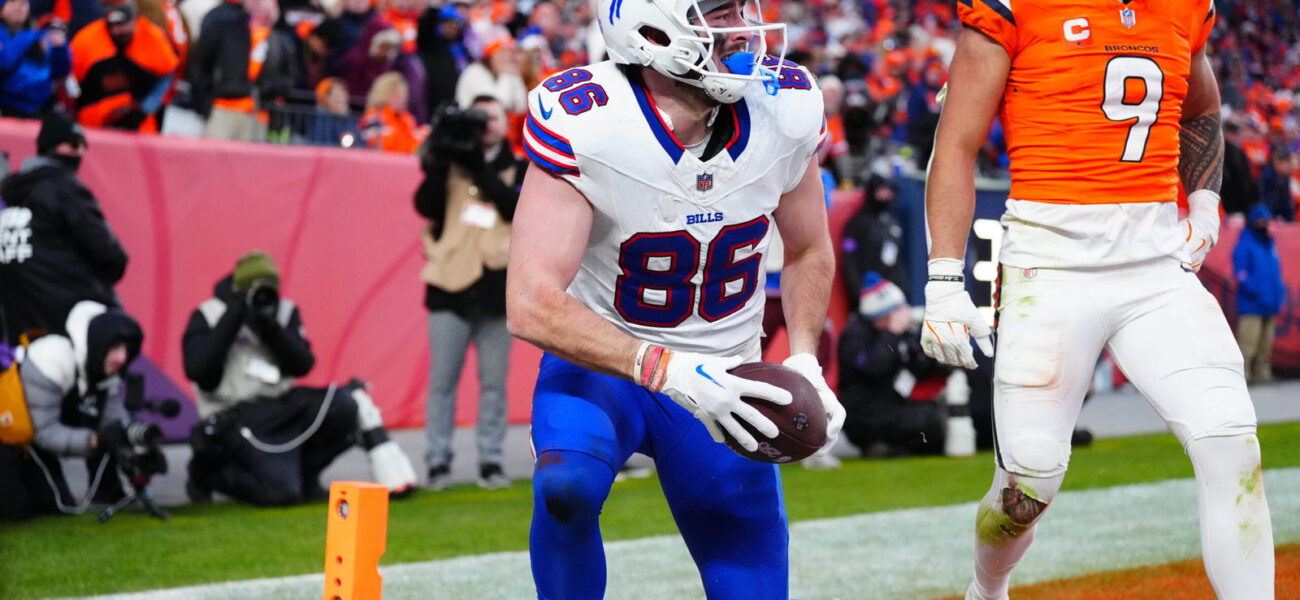
Two names loom large over the Bills’ long-term planning: tight end Dalton Kincaid — and safety Cole Bishop. They’re more than just exceptional athletes; they’re valuable commodities, and their contract expiration dates of 2027 are closer than comfort would dictate. For President of Football Operations Brandon Beane, this isn’t just about roster-building; it’s a cold, hard lesson in opportunity cost, a balancing act familiar to anyone navigating a volatile economy or regional power struggles.
But this isn’t some fresh quagmire for the Bills. Beane, a man whose tenure has been marked by a penchant for proactive negotiations, often pulls the trigger early on homegrown talent. “Look, you build through the draft,” Beane once remarked, echoing a philosophy many in the league — even those eyeing emergent markets from Lahore to Doha — tend to observe. “When you find guys that fit your culture — and produce, you don’t mess around. The price tag only goes one way, you know? It’s like buying real estate; you lock it in before the boom hits.” That’s the gospel in Orchard Park, but the real test is applying it consistently.
Take Cole Bishop. He emerged last season not just as a decent player, but as a genuine bright spot on a defense that often felt like it was searching for its identity. He broke out, plain and simple. After three seasons on a rookie contract, he’ll be eligible for an extension next offseason. But should they really wait? “Bishop’s growth has been staggering,” noted one veteran scout, speaking off the record. “He wasn’t just ‘good’; he was making game-changing plays late in the year. Waiting on him? That’s just asking to pay a king’s ransom after another season like that.” His game-sealing interception against Jacksonville in the Wild Card round, frankly, is Exhibit A.
And then there’s Kincaid. A first-round talent, he’ll benefit from that fifth-year option, pushing his free agency back a year from Bishop’s. But the goal, for any franchise serious about its prospects, is to prevent him from ever hitting the open market. Why? Because the kid’s a beast. Last season, despite missing five regular-season games, he led the Bills in 100-yard receiving games (two) and receiving touchdowns. It’s a brutal calculus. He hauled in those numbers while playing a mere 37.6 percent of the team’s offensive snaps, according to NFL Next Gen Stats. Think about that impact-per-play efficiency for a moment. It’s truly uncommon. Because when Kincaid’s on the field, defenses react; it opens up possibilities for everyone else.
It’s an unspoken rule across the league: waiting too long inevitably means paying more. Much more. An executive from a rival AFC East club, requesting anonymity given the sensitive nature of contract discussions, was blunt. “Every team talks about loyalty, but it’s a business. Player value compounds. If you see the talent, you spend. You manage the cap; that’s your fiscal policy right there. You don’t hoard cash when a sound investment walks through the door.”
📄 POLICY WIRE WHITEPAPER PUBLISHED: PAKISTAN'S NATIONAL SECURITY POLICY PRIORITIES
👉 READ BY CLICKING HEREThis isn’t about mere financial flexibility, though that’s a big piece of the pie. It’s about maintaining a crucial competitive window. The Bills aren’t just trying to make the playoffs; they’re trying to contend for a championship. And keeping their core intact, particularly players of Kincaid’s and Bishop’s caliber, is non-negotiable for sustained success.
What This Means
The Bills’ predicament reflects a macro-level tension: the imperative of securing critical assets versus the allure of short-term budgetary caution. In a world fraught with economic uncertainties—be it fluctuating commodity prices or the unpredictable nature of regional alliances in the South China Sea—proactive risk management is the hallmark of any shrewd actor. For the Bills, delaying Kincaid and Bishop’s extensions is akin to a nation postponing investment in critical infrastructure during a boom: it feels cheaper now, but the future costs in terms of competitive erosion or inflated prices are often catastrophic. It’s a strategic gamble, playing not just against opponents on the field, but against the inexorable tide of the salary cap and the ever-escalating demands of star talent. The current situation demands decisiveness, a clear articulation of future intent, lest other teams — and other opportunities — start circling.