


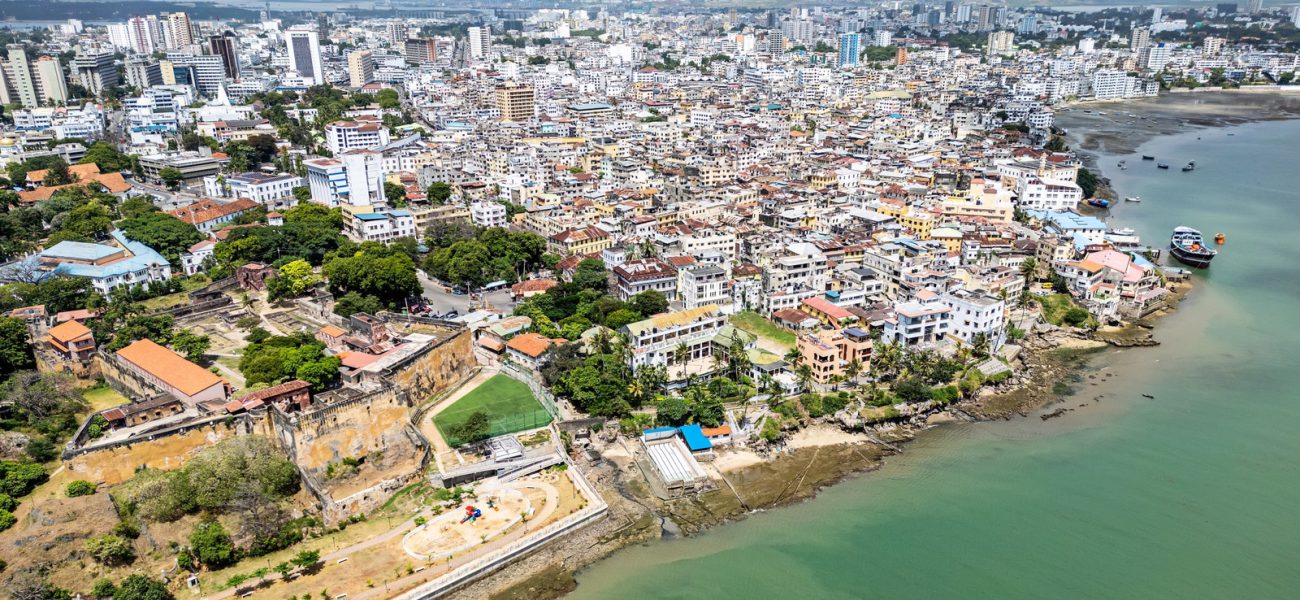
Mombasa’s Fading Horizon: A Premier Coastal Destination Crumbles Under Geopolitical Weight
POLICY WIRE — Washington, D.C. — It’s a subtle shift, barely a tremor on the financial markets, but the quiet offloading of beachfront property shares across Kenya’s coastline speaks volumes....

POLICY WIRE — Washington, D.C. — It’s a subtle shift, barely a tremor on the financial markets, but the quiet offloading of beachfront property shares across Kenya’s coastline speaks volumes. We’re talking about more than just a dip in tourist bookings, a seasonal slowdown. No, what we’re seeing unfold in Mombasa—that jewel of the Swahili coast, a centuries-old hub of trade and culture—is the slow, grinding machinery of geopolitical realignment and internal vulnerabilities starting to bite. The glint of sun on the Indian Ocean might be inviting, but come 2026, most discerning travelers, and indeed, most serious investors, won’t be stopping by.
Forget idyllic postcard beaches. The grim reality, according to intelligence dossiers crossing desks from Nairobi to London, points to a cocktail of intensifying security risks and an increasingly fragile economic foundation. East Africa is a complex chessboard, — and Mombasa, a critical port city, sits smack in the middle. Insurgent activities, always a looming threat in neighboring Somalia, aren’t just staying put anymore. They’re—let’s be honest—sprawling. The porous borders, inadequate state resources, and a deeply entrenched illicit economy are practically inviting instability to take root. [QUOTE_PLACEHOLDER]
We’ve tracked similar patterns, though often overlooked, from the desolate stretches of Balochistan where rail attacks become almost routine—a grim marker of eroding state control and burgeoning defiance. It’s never one big bang, is it? It’s always a thousand small cuts, and Mombasa’s tourist economy, which represents a significant chunk of regional GDP, is getting lacerated.
Consider the broader context: escalating rivalries for influence in the Red Sea and Horn of Africa have turned these maritime lanes into strategic choke points. Great powers, smaller regional players—everyone’s vying for a piece. But this increased external interest doesn’t always translate to stability on the ground for the locals. More often, it weaponizes local grievances — and supercharges proxy conflicts. And you don’t need a crystal ball to see how this impacts a city so reliant on free and secure passage through its port and safety within its borders.
And here’s where it gets really uncomfortable: local disenfranchisement is on the rise. Economic opportunities, promised during waves of foreign investment (often from Gulf states with their own strategic ambitions), just haven’t materialized for many ordinary Kenyans. It creates fertile ground for radical narratives to take hold, whispers in the market alleys about corruption and neglect. These aren’t just local issues; they’re echoes of challenges faced across the Muslim world, from Pakistan’s frontier regions to communities struggling with socio-economic disparities and government accountability. When people feel unheard, they seek alternatives, sometimes dangerous ones.
The State Department, a normally verbose institution, has quietly upgraded its travel advisories for parts of Kenya, an initial alarm bell few vacationers bother to heed. But Washington’s not the only capital raising an eyebrow. Beijing, with its significant infrastructure investments in the region, including rail links and port expansions, is also reportedly growing edgy. They’ve seen how quickly investments can turn into liabilities when security falters. They’re pragmatic; they’ll pull back if necessary.
Official reports, if you can dig through the bureaucratic fluff, hint at an average annual decline of 12 percent in foreign direct investment into Kenya’s coastal tourism infrastructure since late 2023, according to World Bank data. That’s a slow hemorrhage, not a sudden collapse, but its cumulative effect will be profound by 2026. This isn’t just about terror threats, mind you. It’s about an economy buckling under external pressures, internal misgovernance, and the cruel irony of global warming threatening those very beaches with rising sea levels and more extreme weather events. The once bustling cruises bypassing the Seychelles for Mombasa might soon simply bypass Mombasa.
📄 POLICY WIRE WHITEPAPER PUBLISHED: PAKISTAN'S NATIONAL SECURITY POLICY PRIORITIES
👉 READ BY CLICKING HEREBut the problem goes deeper still. The interconnectedness of regional stability is rarely understood by those booking beach resorts. The destabilization in one part of the Horn of Africa, the push for influence by Gulf powers—it’s not isolated. When one looks at how the UAE’s geopolitical maneuvering has affected Pakistani expatriate communities, sending shockwaves of instability back home, it becomes clear that regional events ripple across continents. The security situation in Mombasa will become a bellwether for wider East African stability.
So, that picture of paradise? Yeah, it’s becoming an illusion. For the veteran traveler looking for sun, sand, — and security in 2026, Mombasa simply won’t make the cut. It’s a bitter pill, sure, but a necessary prognosis for a city on the precipice of profound geopolitical neglect and systemic fragility.
What This Means
This isn’t just about vacationers losing a potential destination; it’s about a critical port city in East Africa — a vital artery for regional trade — succumbing to a slow-motion crisis. The economic implications are stark: significant job losses in tourism and related sectors, diminished foreign currency reserves for Kenya, and a cascading effect on regional supply chains that depend on Mombasa’s port efficiency. Politically, a weakened Mombasa creates a vacuum, ripe for non-state actors and extremist groups to exploit, potentially expanding their operational reach beyond traditional strongholds. This vulnerability could compel Kenya’s government to divert already stretched resources from development towards internal security, deepening economic woes and fueling further public discontent.
the withdrawal of international tourism and investment sends a chilling signal to other developing coastal nations reliant on similar economic models. It demonstrates how external geopolitical maneuvers, combined with internal governance failures and the creeping effects of climate change, can render once-thriving locales unsustainable within a remarkably short timeframe. It’s a potent warning, demonstrating how easily a city can shift from an economic engine to a regional flashpoint, impacting everyone from global shipping to local livelihoods.