

IPL’s Crucible: RCB, Titans Clash as Subcontinent’s Economic Engine Roars
POLICY WIRE — New Delhi, India — The dust has settled, but the real storm, the one simmering beneath the carefully manicured outfields and blinding stadium lights, it’s just beginning. Forget mere...

POLICY WIRE — New Delhi, India — The dust has settled, but the real storm, the one simmering beneath the carefully manicured outfields and blinding stadium lights, it’s just beginning. Forget mere scores; what we’re witnessing in the Indian Premier League’s knockout stages isn’t just cricket. It’s a full-throttle display of commercial might, cultural obsession, and raw, high-pressure human drama played out for an audience that numbers in the hundreds of millions.
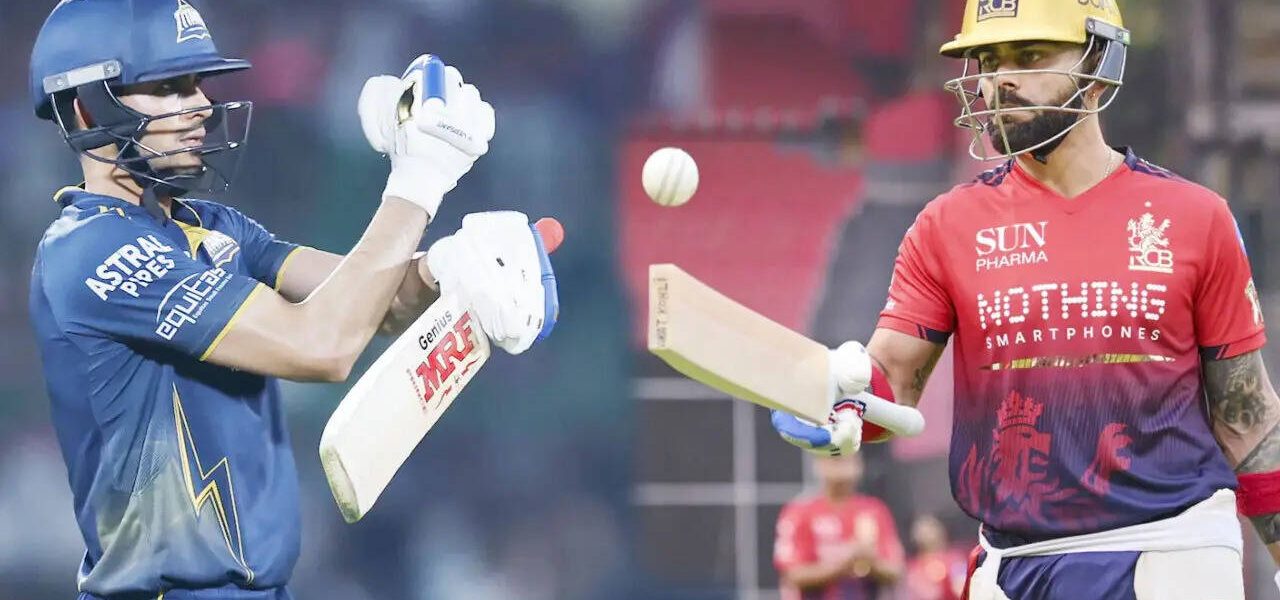
Because, really, when defending champions Royal Challengers Bengaluru (RCB) lock horns with the Gujarat Titans (GT) in Qualifier 1, we’re watching an economic leviathan at work. This isn’t just about bat on ball; it’s about billion-dollar brands, global broadcasting rights, and the kind of sporting spectacle that’s reshaped South Asian economies. These teams finished dead-even on points—18 each from 14 bruising matches, according to official league tallies—with RCB only claiming top seed by a whisker on Net Run Rate. It’s tight. Terribly so. And that tension, that’s where the real story lies.
It’s no accident that the stars of this show aren’t just athletes; they’re walking, talking, commercial enterprises. Virat Kohli, for example, is more than just RCB’s linchpin. He’s the poster child for a nation’s sporting ambition, having finally broken an eighteen-year hex to clinch last year’s IPL title. He’s already tallied 557 runs this season, with a strike rate of 163.82, statistics that speak less of mere form and more of an indomitable will. His celebration last year? Pure catharsis, a national sigh of relief. And now, he’s back, trying to defend it all. It’s a burden. But it’s also his crown.
Across the pitch stands Shubman Gill, captain of the 2022 champions, the Gujarat Titans. He’s shaken off any silly notion that he wasn’t a T20 menace, scoring 616 runs and cementing himself as the second-highest run-scorer this year. Six half-centuries — that’s the kind of consistency that whispers danger. He’s young, devastating, and hungry. If Kohli embodies established royalty, Gill represents the new guard, ready to usurp the throne. “The intensity here isn’t just about winning or losing,” a veteran analyst for a prominent sports network, who declined to be named due to media policy, observed dryly this morning. “It’s about legacy, about financial portfolios, about everything that comes with being the face of something this enormous. It’s a different game now.”
Then there are the dark horses, the grinding cogs that make these high-flying machines tick. Krunal Pandya, for Bengaluru, has been a defiant force. Runs when they mattered, critical wickets when the opposition got feisty. That Mumbai Indians match? He played through cramps, guiding RCB to victory with a match-saving 73 from 46. You don’t script grit like that. And on the bowling front, Bhuvneshwar Kumar, wearing the Purple Cap for most wickets with 24, leads RCB’s pace attack, proving that precision and swing still rule the roost in an age of brute force.
📄 POLICY WIRE WHITEPAPER PUBLISHED: PAKISTAN'S NATIONAL SECURITY POLICY PRIORITIES
👉 READ BY CLICKING HEREBut Gujarat isn’t lacking its own specialists. Rashid Khan, the Afghan spinner, brings a touch of global cricket’s vast network right into the heart of India. Nineteen wickets this season, yes, but more significantly, his ability to choke run-flow under immense pressure makes him an invaluable asset. He’s Shubman Gill’s ace. And Jason Holder, the Caribbean powerhouse, despite playing fewer matches, has been monumental for GT, snapping up 13 wickets including a Player of the Match performance of 4/24. He’s their middle-overs stopper, their clutch performer.
“We’ve consistently strived to make the IPL more than just a tournament; it’s an economic multiplier for the region, a celebration of talent that draws eyes from Lahore to London,” said a spokesperson for the Board of Control for Cricket in India (BCCI) on condition of anonymity, earlier this week. “The global interest—particularly from cricket-mad nations in the subcontinent and the Muslim world—isn’t just flattering. It’s foundational to its continued growth — and international relevance.”
What This Means
This match, a single knockout encounter, is a microcosm of South Asia’s rising global footprint. The sheer commercial heft of the IPL, an entity worth billions, indicates India’s growing economic confidence and its capacity to create world-class entertainment products. For countries like Pakistan and Afghanistan, deeply connected to cricket but navigating their own complex geopolitical landscapes, the IPL serves as a strange, aspirational mirror. Their players often eye participation, and their audiences voraciously consume the league, showcasing a shared cultural devotion despite political fissures. It’s an economic force that also carries significant soft power, capable of capturing public imagination beyond borders, sometimes more effectively than traditional diplomacy. And this game, the fight between established greatness and hungry new challengers, the clash of corporate titans embodied by star athletes—it’s an almost perfect metaphor for the shifting sands of global resilience and influence. Whoever wins on the pitch tomorrow, the real winner is the behemoth institution that’s the IPL itself, consolidating its position at the zenith of commercial sport.