
Sky’s Fury: New Mexico’s Volatile Weather Sparks Climate Policy Reckoning
POLICY WIRE — ALBUQUERQUE, N.M. — The desert Southwest, they say, plays by its own rules. But lately, those rules? They feel less like natural law — and more like a cruel, erratic shrug...

POLICY WIRE — ALBUQUERQUE, N.M. — The desert Southwest, they say, plays by its own rules. But lately, those rules? They feel less like natural law — and more like a cruel, erratic shrug from the heavens. New Mexico, land of stark mesas — and eternal sun, isn’t just seeing rain. It’s catching a mood swing—a wild, lashing downpour that now, unexpectedly, trails on the heels of suffocating, dust-choked heat.
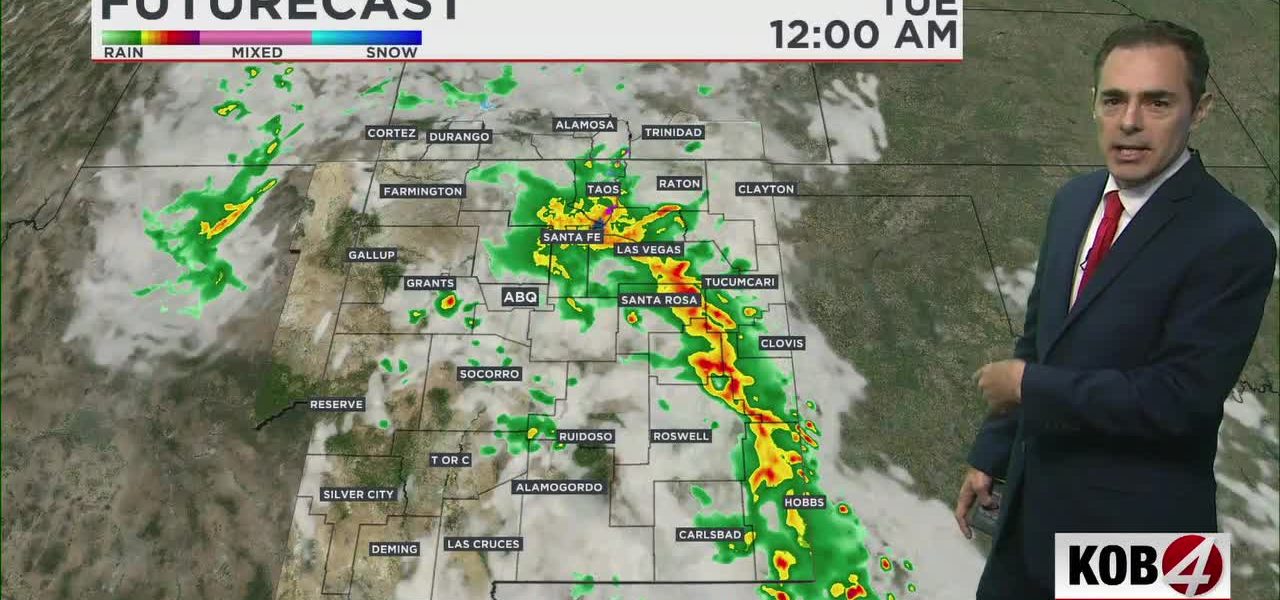
It’s an atmospheric caprice that brings with it flash flood warnings near Ruidoso even as much of the state claws its way back from persistent drought conditions. This isn’t just Monday evening’s forecast, you know? It’s a stark, public policy problem, demanding a re-evaluation of everything from urban drainage to long-term resource management in an increasingly volatile climate.
Showers, the weather service declared, might hit Albuquerque and then spread across central and eastern New Mexico through the night. And Tuesday? Eastern sections of the state are slated for heavy downpours, while the southeast braces for severe thunderstorms. A bit cooler, too. Sounds benign enough, doesn’t it? Except that these are the kinds of short, sharp shocks that, year after year, erode infrastructure, stress emergency services, and chip away at public confidence in the stability of their environment. Think about last year’s fires—one devastating fire after another—then sudden, brutal deluges on scorched earth that triggered mudslides. It’s a grim cycle.
“We’re not just watching the skies; we’re investing in our resilience,” New Mexico Governor Michelle Lujan Grisham remarked recently, responding to questions about the state’s readiness for such swings. “But you can only do so much. We need robust federal partnerships. We don’t just want platitudes, we need infrastructure dollars now.” Her exasperation, you see, it’s a pretty common refrain among Western governors grappling with a changing climate that plays out on the daily news as mere ‘weather reports.’ It’s about a future where a few inches of rain in a day can cause as much havoc as a month of bone-dry winds.
Because the truth is, this capricious behavior from Mother Nature ain’t an anomaly anymore; it’s the new normal. For much of the past two decades, large swathes of New Mexico have oscillated between severe and extreme drought, according to the U.S. Drought Monitor, making every drop precious, — and every sudden torrent a double-edged sword. Water management, it’s becoming apparent, means not just conservation but also dealing with too much of a good thing, all at once.
U.S. Secretary of the Interior Deb Haaland, whose roots run deep in New Mexico, views these local phenomena through a broader lens. “This isn’t about isolated incidents anymore; it’s about the cumulative burden on our lands and our people,” she stated during a recent departmental briefing. “Indigenous communities across this nation, particularly here in the Southwest, have understood this relationship for millennia. Now, Washington needs to listen harder — and act faster.” And she’s right, of course. The water compacts, the ancient acequias—they all depend on a more predictable system than what we’re getting.
It’s not just an American problem, this seesaw climate. You only have to cast an eye across the globe, toward nations like Pakistan, for a grim foreshadowing. They’ve seen their own share of climate chaos—from scorching heatwaves in Sindh to cataclysmic floods that displaced millions and submerged a third of the country just a couple of years back. Their farmers, like New Mexico’s, are wrestling with too little water one season, then too much the next, destabilizing agriculture and threatening national food security. It’s a shared vulnerability, a common denominator in the growing global anxiety about planetary systems.
📄 POLICY WIRE WHITEPAPER PUBLISHED: PAKISTAN'S NATIONAL SECURITY POLICY PRIORITIES
👉 READ BY CLICKING HEREWhat This Means
The immediate political implication here is pretty simple: preparedness, or lack thereof, directly impacts political capital. State leaders, like Governor Lujan Grisham, find themselves constantly reacting, managing the immediate crisis while trying to push through long-term strategies. Economically, this translates to billions in damage to infrastructure, agriculture, and tourism, not to mention the personal toll on citizens who are left to pick up the pieces. Each flash flood warning isn’t just about an evening’s weather; it’s a financial burden waiting to happen.
But the deeper policy challenge lies in adaptation. How do cities, built for arid climates, cope with sudden deluges? What are the strategies for recharging aquifers quickly, without triggering erosion or pollution? And what does federal engagement look like when every state seems to be facing its own localized climate-induced disaster? Washington, currently caught in its own political storms, finds its attention split between global conflicts and domestic crises that seem increasingly to be two sides of the same rapidly warming coin. And local officials? They’re just trying to keep the water out of the basements.
The stakes couldn’t be higher. Because when the ground’s cracked from months of drought, even a little rain can send a torrent of debris and disappointment rushing downstream. That’s New Mexico right now. And maybe, just maybe, it’s a preview of everywhere else too.