


Eastern Conference on the Brink: Knicks Stare Down Cavaliers, Global Fandom Holds Its Breath
POLICY WIRE — Cleveland, Ohio — Forget the box scores for a minute. The raw data of assists and rebounds often misses the actual story: the profound, almost civic-level tremor that vibrates through a...

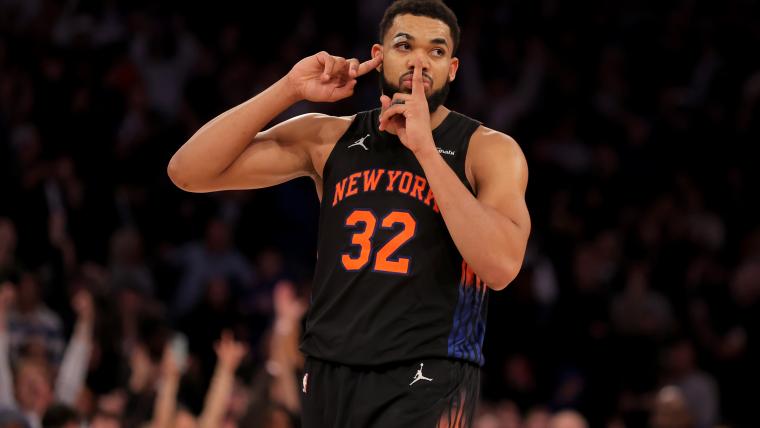
POLICY WIRE — Cleveland, Ohio — Forget the box scores for a minute. The raw data of assists and rebounds often misses the actual story: the profound, almost civic-level tremor that vibrates through a metropolitan area when its sporting hopes teeter on the edge of extinction. Tonight, the Q, or whatever corporate moniker it wears these days, isn’t just an arena; it’s a crucible for Cleveland’s collective morale. For the New York Knicks, up 3-0 in this Eastern Conference Finals matchup against the Cleveland Cavaliers, it’s a date with history—a chance to clinch their first NBA Finals berth since a different century altogether, 1999.
It’s more than just a game. The financial engines of an extended playoff run, the intangible boost to city tourism, the fleeting but potent sense of shared triumph—these are the spoils New York smells, and Cleveland desperately clings to. But facing a 3-0 deficit is basketball’s equivalent of climbing Everest barefoot; no NBA team has ever clawed back from such a precipice to claim a playoff series, a chilling statistic confirmed by the league’s own historical archives. You’d think the players wouldn’t know, wouldn’t care, but that specter looms.
“Look, we’ve put in the work. Every single possession, every defensive stop—it’s been a grind, it hasn’t been easy,” Knicks guard Jalen Brunson told Policy Wire, downplaying the series lead with practiced sobriety. “We’ve just gotta keep our foot on the gas. That’s it. It’s not over until it’s over, you know?” His tone betrayed nothing but professional resolve, yet the faint whiff of an impending celebration surely permeates the Knicks locker room.
For Cleveland, tonight’s Game 4 at 8 p.m. ET is not merely a basketball contest; it’s an economic opportunity evaporating with each missed shot. The difference between four home games — and six or seven? That’s millions in local revenue, an invisible fiscal wound for a city always battling narratives about its resilience. They’re staring down a clean sweep—the most humiliating exit in professional sports—at home. It’s a gut-wrenching prospect.
Because, well, what’s left for a team that’s tried everything — and still finds itself on the brink? Cavaliers General Manager Koby Altman, facing intense scrutiny, offered a defiant soundbite that tried to rally spirits: “We believe in this roster, in this coaching staff. We’ve been counted out before, — and we’ve shown character. Tonight, it’s about character. It’s about fighting for each other and for this city.” Lofty words, perhaps, but they’re likely battling against an inevitable gravity that’s already pulling them towards offseason reflections.
And the psychological burden isn’t lost on observers beyond America’s borders. The fervent nationalism seen in the subcontinent, say, during a cricket match between Pakistan and India, offers a curious parallel. That same fever pitch, that collective holding of breath, where sporting outcomes feel deeply tied to national pride—it’s not so different from what’s playing out in Ohio tonight. In Pakistan’s major cities like Karachi or Lahore, where politics and sport often intertwine with a raw intensity, the crushing weight of a predicted defeat, or the delirious high of an upset, is a palpable, almost political, force. The stakes in a city like Cleveland, though localized, feel just as weighty in their own context.
What This Means
This isn’t just about athletic prowess; it’s about the deep-seated identity politics embedded within professional sports. A sweep means the narrative around the Cavaliers for the foreseeable future is one of disappointment, a team that peaked too early, or perhaps never truly arrived. For Mayor Justin Bibb of Cleveland, an early exit truncates a potentially significant boost to the city’s profile, its hospitality sector, and the generally positive — if fleeting — psychological lift that accompanies a deep playoff run. And that impacts voter sentiment. You think a winning basketball team doesn’t cast a halo effect on local politicians? You’d be naive.
On the other side of the ledger, a Finals appearance for New York solidifies Governor Kathy Hochul’s ‘comeback story’ talking points for the city and state, creating a virtuous cycle of positive press and renewed civic pride—a welcome distraction from more pressing urban challenges. A longer playoff run means more tourism dollars, more media coverage, and frankly, a more vibrant general atmosphere that city leaders are always eager to trumpet. This series, therefore, transcends court lines, echoing in municipal budgets — and gubernatorial approval ratings. It’s not just a sport; it’s a complex piece of the urban political and economic machinery, and tonight, one side is about to feel a significant, demoralizing gear shift.
And so, all eyes turn to Cleveland. Will the Cavaliers conjure a miracle from thin air, pushing this series back to New York and reigniting a glimmer of hope? Or will the Knicks, with an almost icy efficiency, deliver the knockout blow, sending Cleveland not just to an offseason, but into a collective introspection about what exactly went wrong. Whatever the outcome, it’s going to be brutal, one way or another.