


Pocket-Sized Panic: How a Tiny Battery Can Ground an International Flight, Exposing Aviation’s Fragile Core
POLICY WIRE — London, UK — Three hundred lives. Two international borders. One innocent-looking device. It wasn’t a bomb. It wasn’t a sophisticated cyber attack. But an ordinary power...

POLICY WIRE — London, UK — Three hundred lives. Two international borders. One innocent-looking device. It wasn’t a bomb. It wasn’t a sophisticated cyber attack. But an ordinary power bank—a ubiquitous pocket companion for today’s digital natives—was enough to yank an easyJet flight mid-air, sparking an international kerfuffle and casting a glaring spotlight on the almost surreal anxieties that define modern air travel. Forget sophisticated threats; sometimes, it’s the banal, the everyday, that sends the intricate dance of global aviation into a chaotic jig.
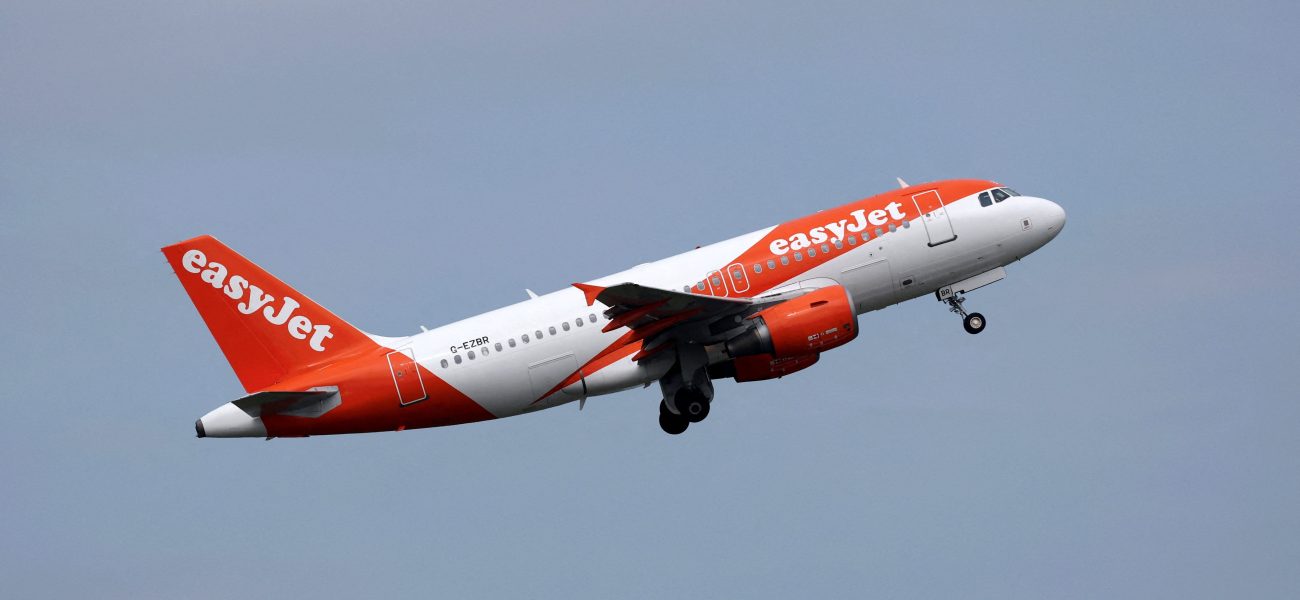
The ordeal unfurled not in some far-flung, conflict-ridden zone, but high above the serene European landscape, destined for Istanbul. The captain of easyJet flight EZY8807, having departed from Manchester, was forced to execute an abrupt, unscheduled detour to Venice. The culprit? An overheating power bank, stowed—quite improperly, as regulations sternly dictate—in the cargo hold, rather than the cabin where it could be monitored. A minor malfunction, you’d think. But in the hermetically sealed, high-stakes environment of commercial aviation, ‘minor’ doesn’t exactly fly.
“We can’t simply gamble with passenger safety,” stated easyJet spokesperson Clara Henderson, her voice firm, as if reiterating an age-old mantra to an increasingly distracted public. “Even a slight indication of a potential fire risk—especially from lithium-ion batteries—triggers protocols that are, by design, uncompromising. It’s an inconvenience, yes, but one we simply won’t negotiate away.”
And that’s the rub, isn’t it? Because the incident wasn’t just about a scorching piece of plastic; it was about the colossal apparatus of control and consequence that whirs to life when a single, tiny variable goes awry. The rerouted flight, the scrambled ground crews in Italy, the furious passengers—many of whom likely possessed similar devices themselves—it all paints a picture of a system operating on hair triggers, utterly beholden to its most vulnerable points.
For policymakers, these moments are not just headlines; they’re data points, warnings. Transport Security Minister Gareth Davies MP, never one to mince words, remarked, “The economic cost of such diversions, while not often publicly tallied, can run into hundreds of thousands of pounds for a single airline event, not counting the incalculable cost to passenger trust and schedule integrity.” His statement nods to a broader concern: the systemic fragility.
Lithium-ion battery fires, while statistically infrequent, are disproportionately dangerous onboard aircraft. They burn intensely, are difficult to extinguish, — and emit toxic fumes. Data from the International Civil Aviation Organization (ICAO) indicates that in 2022 alone, there were over 20 reported incidents globally involving portable electronic devices or power banks creating smoke or fire on passenger aircraft. That’s enough to keep every airline safety officer reaching for the antacids.
But consider the irony. We’re hurtling toward a future—a present, really—where our entire existence, personal and professional, is tethered to these very devices, constantly needing a juice-up. Yet, the same technologies that fuel our relentless digital craving become the Achilles’ heel of the vessels that connect our world. It’s a paradox of convenience — and existential threat, playing out silently, day in and day out.
For regions like South Asia, where a burgeoning middle class relies heavily on smartphones for everything from commerce to communication, the global adherence to strict aviation battery rules feels particularly sharp. Travelers from Lahore to Dhaka, as accustomed to carrying multiple power banks as they’re to negotiating rush-hour traffic, sometimes find themselves navigating arcane international security rules that seem distant from their daily realities. It’s a disconnect that’s hard to ignore.
What This Means
This episode, minor in its cause but significant in its disruption, underscores several uncomfortable truths. Firstly, air travel, despite its apparent robustness, remains exquisitely sensitive to even the smallest breaches of protocol. We’ve spent decades — and billions making planes safe, only for a common battery pack to expose a raw nerve. It’s a classic Black Swan event in waiting, every time someone incorrectly packs their gear.
Secondly, it spotlights the economic drag of hyper-vigilance. While security is non-negotiable, the ripple effect of one such incident—diversion costs, lost connections, compensation claims—is a direct hit to airline profitability, a burden ultimately passed on to the passenger. But who’s counting, right?
Because the real ‘takeaway’ isn’t just about packing rules; it’s about a growing global apprehension. Governments and aviation bodies grapple with regulating commonplace consumer electronics that double as potential fire hazards. The line between passenger convenience — and catastrophic risk is blurring. It isn’t a problem going away anytime soon, not as long as our screens stay lit, and we’re reliant on those powerful, temperamental little batteries. It really isn’t.