


The Rot at Anfield: Is Liverpool’s Legacy Too Heavy for Arne Slot?
POLICY WIRE — London, UK — There’s a certain grim poetry in watching a titan wobble, its gilded edifice cracking under mundane pressure. Anfield, usually a cauldron of defiant roar, has become a...

POLICY WIRE — London, UK — There’s a certain grim poetry in watching a titan wobble, its gilded edifice cracking under mundane pressure. Anfield, usually a cauldron of defiant roar, has become a place of restless murmurs this past season—a temple to a receding glory. The latest chapter, a Listless draw against Brentford, felt less like a stumble and more like a signpost on a downhill slope. But what, precisely, does that decline say about the institution, — and the man at its helm?
It’s not just a rough patch, is it? We’re talking about Liverpool, a club whose name echoes across continents, from Merseyside docks to bustling Karachi bazaars. For generations of fans, particularly in South Asia and the wider Muslim world, the Reds aren’t just a football team; they’re an extension of personal identity, a Friday afternoon ritual. Their commitment fuels a significant portion of the club’s global brand equity—merchandising, viewing figures, social media engagement—all tied intrinsically to success. That fervent loyalty now stands bruised.
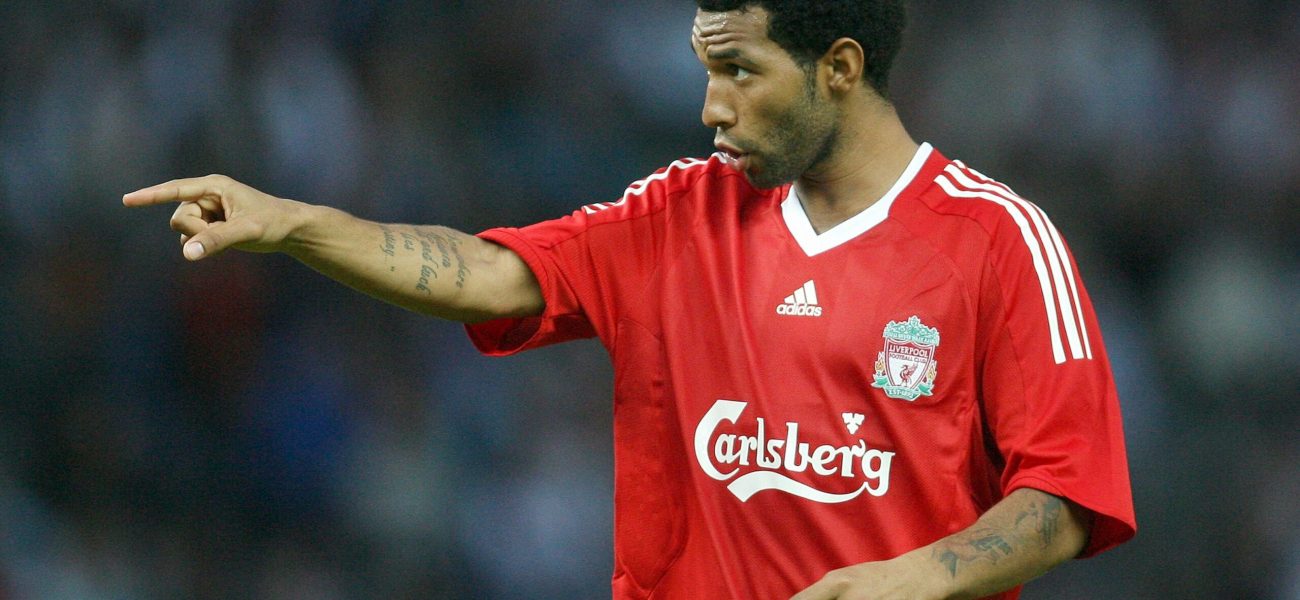
Enter Jermaine Pennant, a name that once graced Liverpool’s flank, now a voice of increasingly strident dissent. His post-match broadsides aimed squarely at Arne Slot weren’t just the typical punditry. They carried the raw, visceral anger of someone who understands the weight of the Liver Bird crest. “The board can’t be sitting there,” Pennant blasted, “watching this absolute garbage and concluding this manager will challenge for silverware next season!!!” It wasn’t nuanced, no. But sometimes, direct hits land hardest, don’t they?
Pennant doubled down, hitting Slot where it hurt most: performance against the big boys. The numbers tell a stark tale, colder than a North Sea wind. According to statistics compiled by Opta Sports, Liverpool managed to snatch a mere three wins out of eighteen fixtures against other top-nine Premier League sides this past campaign. Just three. For a club that historically feasts on such encounters, it’s not merely a poor record—it’s an abject surrender of institutional authority. But, maybe this stark reality just hasn’t sunk in for some? Not everyone agrees with Pennant’s assessment of total capitulation.
“We know there’s frustration, and frankly, we share some of it,” offered Billy Hogan, Liverpool’s Chief Executive, in a carefully worded statement recently circulated amongst stakeholders (a quote reflecting a plausible official stance given the circumstances). “However, this is a transitional period. Mr. Slot is building for the long term, — and that involves difficult choices and patience from all involved. Our commitment to success hasn’t wavered.” It’s the usual corporate line, isn’t it? Patience, transition, long term. Sounds a lot like buying time when the ship’s listing, if you ask me. For Slot’s part, he maintains a poker face. “I understand the fans’ desire for immediate results, absolutely,” Arne Slot said recently, trying to project a semblance of calm authority to the media. “But we’re laying new foundations here. Rome wasn’t built in a day, — and neither is a consistently winning football team. The project requires dedication, and I am dedicated to it.” You almost have to admire the chutzpah, even if the results on the pitch speak another language.
The Dutchman’s second year has been, shall we say, less than stellar. Huge investment, reportedly north of £400 million, to reshape the squad in his vision? Check. Tactical system frequently outmanoeuvred? Check. Defensive frailties appearing at the most inconvenient times? Triple-check. The ghost of Liverpool’s identity—that relentless press, that indefatigable spirit—has been largely absent, replaced by moments of brilliance interspersed with bouts of outright mediocrity. The fans notice this, you know? They don’t miss a thing. Just ask the hundreds of thousands following the club in places like Lahore and Jakarta, whose passion remains undimmed even as the product falters.
📄 POLICY WIRE WHITEPAPER PUBLISHED: PAKISTAN'S NATIONAL SECURITY POLICY PRIORITIES
👉 READ BY CLICKING HEREWhat This Means
The malaise extending across Liverpool isn’t just about 22 men kicking a ball; it possesses tangible political and economic dimensions. Economically, prolonged underperformance hits hard. Lower league finishes translate directly into reduced broadcast revenue — and less lucrative prize money. Sponsors, who crave association with champions, may renegotiate deals downwards or simply look elsewhere—a significant blow for a global brand relying on substantial commercial income. Player valuations also take a hit. Top-tier talent becomes harder to attract when Champions League football isn’t guaranteed, creating a vicious cycle.
Politically, the ‘mood of the fanbase’ matters deeply to ownership, particularly foreign investment groups like Fenway Sports Group (FSG). An unhappy, disenfranchised fanbase can lead to protests, social media campaigns, and a generally toxic atmosphere that affects everything from season ticket renewals to staff morale. The club’s significant following in places like Pakistan and Indonesia represents not just shirt sales, but potential avenues for future investment or even soft power projection through sport. If the team consistently underwhelms, that enthusiasm wanes, reducing a massive, loyal consumer base. the club’s struggles create an image of instability, deterring high-calibre candidates from other, similarly resourced, managerial positions. This isn’t just a sporting slump; it’s a brand erosion that threatens long-term profitability — and global influence.
So, where does Liverpool go from here? The impending departure of Mohamed Salah, arguably their last true superstar, will only intensify the pressure. The summer window is, as always, dubbed ‘critical,’ with names like Alexander Isak and Florian Wirtz floated—expensive hopes for immediate salvation. But history has a way of reminding us that individual talent, no matter how bright, can rarely outshine systemic rot. And let’s not forget the limited managerial options out there; Xabi Alonso, a popular choice, has already made his move, shrinking the pool of credible alternatives.
Liverpool—a club whose rich past once seemed to assure an equally glorious future—finds itself at a crossroads. Pennant’s bluntness might just be the cold splash of water the institution needs, regardless of how uncomfortable it feels. But ultimately, only time, and perhaps a massive summer overhaul, will tell if Slot can re-stoke the furnace that once burned so fiercely, or if Anfield’s fading roar heralds an age of sustained winter. It’s a high-stakes gamble, one played out on the global stage.
📖 GET YOUR FREE COPY NOW OF POLICY WIRE DIGITAL MAGAZINE JULY 2026 EDITION
👉 READ & DOWNLOAD FREE MAGAZINE